


You finish a heavy workout, your muscles burn, and the idea of resting feels insufficient. The sauna for muscle recovery is one of the most underrated tools in the routine of any athlete or serious exerciser. It is not a spa luxury: it is a concrete physiological stimulus that accelerates muscle tissue repair, reduces delayed onset muscle soreness, and improves sleep quality. In this article, we explain why it works, the right temperature for each goal, and how to structure effective sessions, whether at home or in a professional setting.
Table of Contents
- Quick Summary
- Why the Sauna Works for Muscle Recovery
- Proven Benefits of the Sauna for Athletes
- Ideal Sauna Temperature According to Goal
- Dry, Steam, or Infrared Sauna: Which to Choose
- How to Use the Sauna to Maximize Recovery
- Contrast Therapy: Sauna and Cold Plunge
- Common Mistakes That Nullify Sauna Benefits
- Frequently Asked Questions
- References
Quick Summary
| Key Idea | Explanation |
|---|---|
| The correct temperature varies with the sauna type | Traditional Finnish sauna: 70-90°C. Infrared: 50-65°C. Both produce recovery benefits, but with different stimulus profiles. |
| 15 to 20 minutes is the ideal window per session | Shorter sessions are insufficient to trigger relevant cellular responses; longer sessions without experience increase the risk of dehydration and cardiovascular overload. |
| Heat shock proteins (HSPs) are the core mechanism | When muscle temperature rises, the body produces HSPs that help repair damaged muscle proteins and accelerate protein synthesis. |
| The sauna + cold plunge combination boosts the effect | Alternating between vasodilation (heat) and vasoconstriction (cold) improves circulation and the removal of metabolic waste more effectively than either modality alone. |
| Hydration before and after is non-negotiable | A sauna session can cause fluid losses of half a liter to a liter. Entering dehydrated after an intense workout exacerbates this risk. |
| 2 to 3 weekly sessions produce consistent results | Regularity is more important than the duration of each session. Measurable cellular adaptations emerge after four to six weeks of consistent use. |
| It does not replace sleep or nutrition | The sauna is a supplement. Without sufficient protein and adequate rest, the thermal stimulus loses much of its impact. |
Why the Sauna Works for Muscle Recovery
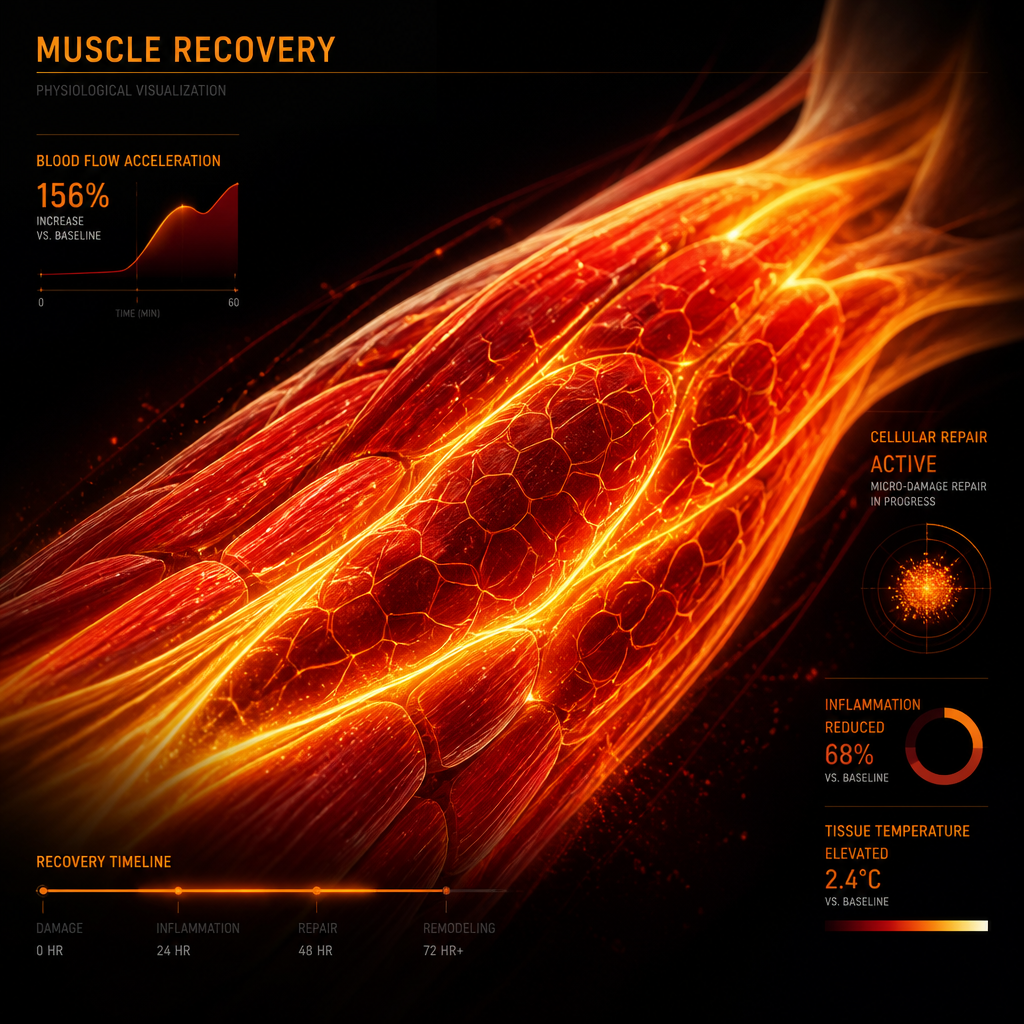
The explanation is not complicated. When you enter a high-temperature sauna, your body responds with a chain reaction: blood vessels dilate, blood flow to the muscles increases, and heat penetrates deeper tissues. This process accelerates the delivery of oxygen and nutrients to muscle fibers damaged by training, while helping to remove metabolic waste like lactate.
The most relevant mechanism from a scientific standpoint is the activation of heat shock proteins (HSPs). When muscle temperature rises sustainably, cells produce these specialized proteins, namely HSP70 and HSP72, which facilitate the repair of damaged muscle proteins and increase the efficiency of protein synthesis pathways. This process occurs even without additional exercise, making the sauna a genuinely active recovery tool, not just a passive one.
There is also a relevant anti-catabolic effect: HSP70 has been shown to inhibit the ubiquitin-proteasome system, which is the primary mechanism for muscle protein degradation. For athletes in a caloric deficit or with high training volumes, this effect can make the difference between maintaining or losing hard-earned muscle mass.
Proven Benefits of the Sauna for Athletes
The benefits of the sauna for muscle recovery are not limited to the pleasant feeling of heat. There is a series of physiological responses with a direct impact on performance and regeneration.
Reduction of Delayed Onset Muscle Soreness (DOMS)
The pain that appears 24 to 48 hours after an intense workout, known as DOMS, results from micro-tears in muscle fibers and the associated inflammatory process. The increased circulation caused by sauna heat transports more oxygen and nutrients to damaged tissue, reducing inflammation and relieving muscle tension. In practice, athletes who use the sauna regularly after workouts report less intense soreness the following day.
Release of Endorphins and Reduction of Cortisol
Sauna heat stimulates the release of endorphins, the neurotransmitters associated with well-being, and contributes to the reduction of cortisol levels, the stress hormone. For athletes with high training loads, this effect is not trivial: chronically high cortisol compromises muscle recovery and sleep quality. The sauna acts as a natural regulator of this hormonal balance.
Improvement of Sleep Quality
The rise in body temperature during the session is followed by a sharp drop after leaving the sauna. This thermal variation signals to the body that it is time to rest, facilitating falling asleep and improving the quality of deep sleep phases, which are exactly the phases where most muscle repair and growth hormone release occur.
Cardiovascular Adaptation and Heat Tolerance
With regular use, the sauna increases blood volume and improves the heart's efficiency in distributing oxygen. Endurance athletes, such as runners, cyclists, and triathletes, benefit from better muscle oxygenation during effort and greater tolerance to hot conditions during competition.
Heat is not the opposite of recovery. Used methodically, it is one of the most effective stimuli to prepare the muscle for the next effort.
Ideal Sauna Temperature According to Goal
Temperature is not a secondary detail. It defines the type of physiological response you will get and how long you can tolerate the session. Using a sauna at the wrong temperature for your goal is like training at the wrong pace: you are technically doing something, but you are not optimizing the result.
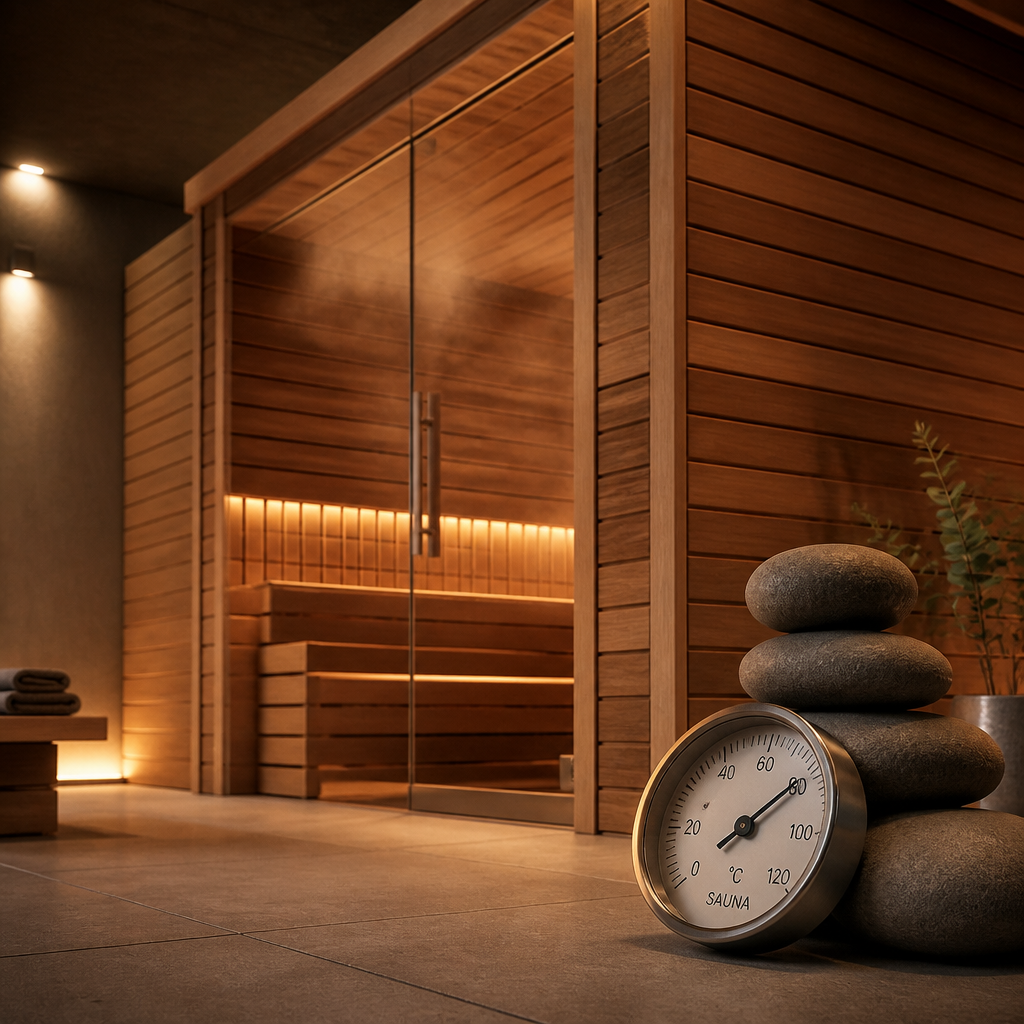
For active muscle recovery and maximum HSP activation, the traditional Finnish sauna at 70-90°C is the option with the most tradition and usage support in a sports context. The heat shock response is more intense at these temperatures, and the cardiovascular stimulus is significant. Sessions of 10 to 20 minutes are the recommended interval for most users with some experience.
The infrared sauna operates between 50 and 65°C, heating the body directly rather than heating the air. The lower temperatures allow for longer sessions and are more accessible for those who are starting out or have less heat tolerance. The muscular and circulatory benefits are comparable, and the sense of comfort during the session is generally higher.
Tip: If your main goal is muscle recovery and you have little experience with saunas, start with infrared at 55-60°C for 15 minutes. As tolerance increases, progress to the dry sauna at higher temperatures.
Dry, Steam, or Infrared Sauna: Which to Choose
There are three main types of saunas available for athletic use, and each has specific characteristics that influence the choice according to the user and the goal.
| Sauna Type | Typical Temperature | Best For |
|---|---|---|
| Finnish Sauna (Dry) | 70-90°C, low humidity (10-20%) | Maximum HSP activation, intense post-workout recovery, cardiovascular adaptation. Preferred by experienced athletes and professionals. |
| Steam Sauna (Steam Room) | 40-55°C, high humidity (up to 100%) | Muscle relaxation, respiratory comfort, beginners. Softer thermal sensation but lower heat shock stimulus. Good for light recovery. |
| Infrared Sauna | 50-65°C, direct body heating | Longer sessions, users with lower heat tolerance, regular muscle recovery. Ideal for frequent home use. |
In practice, for those who train regularly and want concrete recovery results, the dry Finnish sauna is the benchmark choice. The infrared sauna is a valid alternative for daily home use, especially when the goal is regular recovery and relaxation without the intensity of the traditional sauna.
How to Use the Sauna to Maximize Recovery
How you structure the session is just as important as how often you use it. A poorly planned session not only reduces the benefits but can compromise the recovery you aim to accelerate.
Before the Session
Hydrate well before entering. After an intense workout, you are already in some fluid deficit, and the sauna will intensify this loss. Drink at least 300 to 500 ml of water before entering. Avoid entering immediately after training if you have not eaten for many hours: a slight drop in blood glucose combined with heat can cause dizziness.
During the Session
Start with 10-minute sessions if you are a beginner, and increase progressively to 15-20 minutes. Maintain a relaxed posture and breathe calmly. If you feel dizzy, short of breath, or intensely uncomfortable, leave immediately. It is not necessary to tolerate extreme discomfort to obtain benefits: the relevant physiological stimulus occurs within comfortable margins of heat exposure.
After the Session
Hydrate again with water or an electrolyte drink. Take a shower at a normal temperature or, if you follow a contrast protocol, finish with cold. Wait at least 10 minutes before performing any additional physical effort. The frequency recommended to achieve consistent results is two to three weekly sessions, preferably after the most demanding workouts of the week.
Tip: For runners, cyclists, or triathletes with long workouts on weekends, the sauna after the long workout is the time with the highest return: muscles are more inflamed, circulation is active, and the body responds better to the thermal stimulus.
Contrast Therapy: Sauna and Cold Plunge
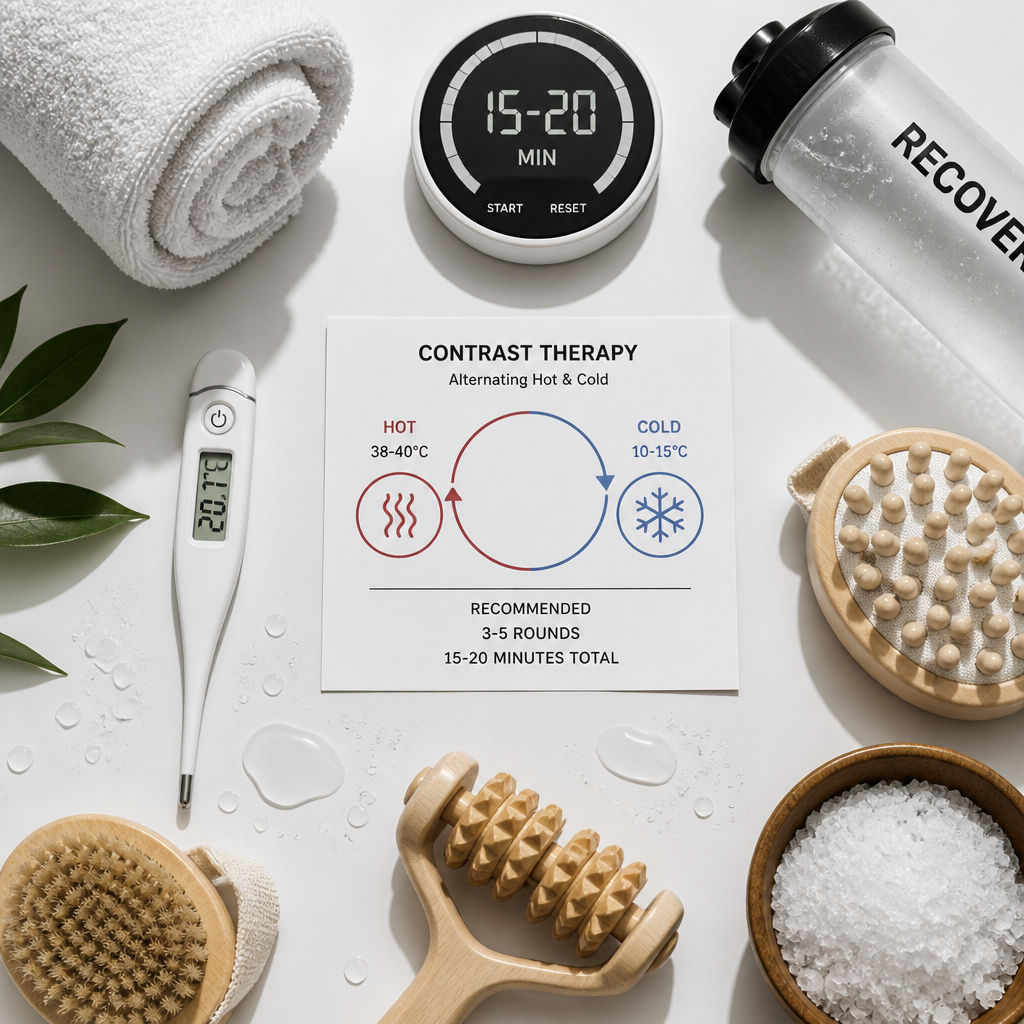
Contrast therapy is the recovery protocol that combines exposure to sauna heat with immersion in cold water. It is one of the practices most used by professional athletes precisely because it enhances the recovery mechanisms of both modalities simultaneously.
The mechanism is direct: sauna heat dilates blood vessels, increasing blood flow and bringing nutrients to the muscles. The cold water immersion that follows causes vasoconstriction, compressing the vessels and reducing inflammation. Alternating between these two states creates a "pump" effect that improves circulation significantly and accelerates the removal of toxins like lactic acid.
For experienced athletes, the usual protocol consists of 10 to 15-minute cycles in the sauna at 80-90°C, followed by 1 to 2 minutes of immersion in cold water between 10 and 15°C. For beginners, 3 to 5-minute cycles in each phase are safer and equally effective for starting to build tolerance. In total, a contrast session generally lasts between 20 to 30 minutes.
Alaska Recover provides saunas and chillers designed specifically for this type of combined protocol, including portable and professional ice baths that integrate easily into the sauna routine at home or in commercial spaces such as gyms, physiotherapy clinics, and wellness centers. You can explore the options at ice baths and saunas to find the right combination for your space.
Common Mistakes That Nullify Sauna Benefits
The sauna is simple to use, but there are frequent mistakes that compromise results or create unnecessary risks.
Entering Dehydrated
This is the most common and dangerous mistake. Athletes who go directly from training to the sauna without rehydration are already entering with a fluid deficit, and the sauna will aggravate it. The practical result is reduced performance in subsequent sessions, higher risk of cramps, and, in extreme cases, episodes of hypotension or fainting.
Sessions Too Long at the Start
Tolerating 30 or 40 minutes in a 90°C sauna is not a sign of endurance; it is a sign of poor stimulus management. The physiological recovery response occurs in the first 15 to 20 minutes. Extending the session beyond that point without accumulated experience only increases cardiovascular stress without additional proportional return.
Using the Sauna Before Intense Workouts
The post-workout sauna makes physiological sense. A pre-intense-workout sauna can raise body temperature too much and compromise performance in the following workout. On demanding training days, save the sauna for after.
Ignoring Body Warning Signs
Dizziness, nausea, blurred vision, or intense palpitations are signs to leave immediately. The sauna is not a test of mental toughness. People with uncontrolled hypertension, heart problems, or active infections should avoid the sauna without medical clearance.
Frequently Asked Questions
How long should I stay in the sauna for muscle recovery?
The recommended interval is 15 to 20 minutes per session for users with some experience. Beginners should start with 10 minutes and increase progressively over several weeks. What is important is regularity, not the extreme duration of each session.
Should I use the sauna before or after the workout?
For muscle recovery, the sauna should be used after the workout. Post-workout use takes advantage of the already active circulatory state of the muscles, amplifies the removal of metabolic waste, and reduces inflammation. Using the sauna before an intense workout can compromise performance.
What is the difference between dry sauna and infrared sauna for recovery?
The dry Finnish sauna operates at higher temperatures (70-90°C) and produces a more intense heat shock stimulus, ideal for more demanding recovery. The infrared sauna operates at 50-65°C, heats the body directly, and allows for longer sessions with less cardiovascular stress. Both activate muscle recovery mechanisms, with the choice depending on the user's heat tolerance and goal.
Can I use the sauna every day?
Daily use is possible for experienced users who tolerate heat well, but for most athletes, two to three weekly sessions are sufficient and produce the best results without overloading the cardiovascular system. Measurable cellular adaptation emerges after four to six weeks of consistent use.
Is contrast therapy (sauna + cold plunge) better than just using the sauna?
For muscle recovery, the combination of sauna and cold plunge is generally more effective than either modality alone. Alternating between vasodilation and vasoconstriction creates a more dynamic circulatory effect, which improves toxin removal and reduces inflammation more efficiently. For those with access to an ice bath or chiller, this combined protocol is highly recommended.
Is the sauna useful for recovering from muscle injuries?
The sauna can help with the recovery of mild muscle strains and in the subacute phase of some injuries, but it should not be used for acute injuries or during phases of intense active inflammation. In the event of an injury, always consult a physiotherapist or sports physician before resuming any thermal protocol.
Which type of sauna is best for home use?
For frequent home use, an infrared sauna is the most practical option: it takes up less space, heats up faster, consumes less energy, and is more accessible to less experienced users. For those who want to replicate the Finnish sauna experience at home with a higher intensity stimulus, there are compact dry sauna solutions suitable for home spaces. Alaska Recover offers options for both contexts at alaskarecover.com/saunas.
Do you already use a sauna as part of your recovery routine? Tell us how you integrate this practice into your daily life and what difference you have noticed in your workouts.