


After a long training ride, your quadriceps and hamstrings are burning, your legs feel like lead, and you know you still have miles to cover tomorrow. This is the real problem for any serious cyclist, whether amateur or competitive. Cryotherapy for cyclists is not a passing trend or a trick used by professional athletes with unlimited budgets. It is a concrete physiological tool, with known mechanisms and measurable results, that anyone who rides regularly can apply to their routine. The ice bath in cycling is exactly the type of investment in recovery that separates those who train well from those who just train a lot.
Table of Contents
- Quick Summary
- What is cryotherapy and why is it specifically relevant to cyclists
- What happens in a cyclist's body during cold water immersion
- Ice bath protocol for cycling: temperature, duration, and timing
- Contrast therapy: when combining cold and heat makes sense
- When to avoid ice baths and what science has yet to resolve
- Comparison of recovery methods for cyclists
- Frequently Asked Questions
- References
Quick Summary
| Key Point | Explanation |
|---|---|
| Ideal temperature | Between 10 and 15 degrees Celsius. Below this, there is no proven additional benefit, and it increases the risk of numbness or hypothermia. |
| Recommended duration | 10 to 15 minutes. Beginners should start with 5 to 8 minutes and increase gradually. Sessions longer than 20 minutes provide no extra gains. |
| Ideal timing for application | Within 30 to 60 minutes after training or racing. Immediate immersion may limit beneficial inflammation during muscle adaptation days. |
| Muscles that benefit most | Quadriceps, hamstrings, and calves - the muscle groups most utilized by the pedaling motion. |
| Partial or full immersion | For cyclists, waist-deep immersion covers the critical muscles. Neck-deep immersion on extremely hot days also helps manage core temperature. |
| When not to use | Avoid after strength training sessions where the goal is maximum hypertrophy stimulus, as vasoconstriction may reduce anabolic signaling. |
| Contrast therapy | Alternating between cold and heat promotes repeated vasoconstriction and vasodilation, which increases circulation, reduces lactate, and accelerates muscle recovery. |
What is cryotherapy and why is it specifically relevant to cyclists
Cryotherapy involves applying cold to the body to reduce inflammation, alleviate muscle pain, and accelerate recovery after intense effort. In the context of cycling, this tool has a particularly strong argument: the repetitive, high-volume nature of bike training requires rapid recovery between sessions. It is not about recovering from a single race per year, but about being ready the next day or the day after.
Cycling puts intense stress on the lower limbs. Quadriceps, hamstrings, calves, and glutes absorb thousands of muscle contractions per hour of training. After a long ride or a high-intensity interval session, muscle tissue exhibits micro-tears and an accumulation of metabolites, including lactate, which is responsible for the sensation of burning and muscle fatigue.
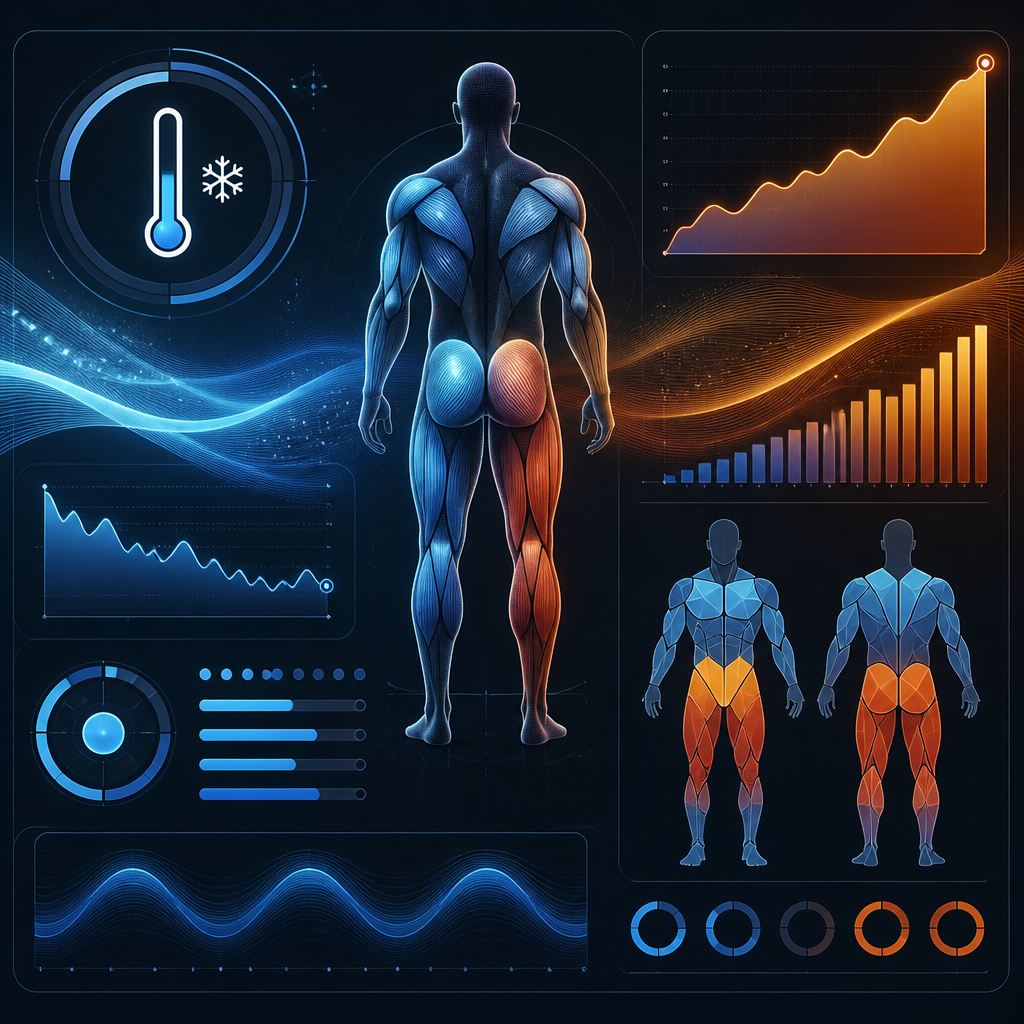
Cryotherapy acts directly on these mechanisms. Exposure to cold causes vasoconstriction of blood vessels, which temporarily reduces blood flow in the immersed area and limits the inflammatory process in the first hours after exertion. The practical result is a reduction in delayed onset muscle soreness (DOMS) and a subjective perception of recovery that allows the cyclist to return to training with higher quality.
What happens in a cyclist's body during cold water immersion
When a cyclist submerges their legs or entire body in water between 10 and 15 degrees Celsius, a sequence of physiological responses is triggered with a direct impact on recovery. Understanding these mechanisms is essential to using the tool intelligently rather than as a ritual or superstition.
Vasoconstriction and inflammation reduction
Cold causes an immediate contraction of blood vessels in the immersed area. This vasoconstriction reduces local blood flow, decreasing edema and inflammation resulting from exercise-induced muscle damage. In cycling, where legs function as engines for hours, this effect is particularly relevant because accumulated inflammation can significantly compromise the next session.
Lactate reduction and muscle fatigue
Contrast therapy and cold water immersion are associated with the reduction of muscle lactate, the substance responsible for the burning sensation in the limbs after high-intensity effort. This reduction promotes the recovery of the muscle energy system and allows the cyclist to arrive at the next training session with less accumulated fatigue.
Activation of the parasympathetic nervous system
Beyond the mechanical effects on tissues, the ice bath activates the parasympathetic nervous system, which is associated with a state of recovery and relaxation. In practice, many athletes report a feeling of well-being and less subjective fatigue right after the session, which has a real impact on sleep quality and the motivation to train the next day.
At the end of an effort, during the recovery process, it is important to be able to lower body temperature, in addition to the benefits it has regarding inflammation and other more specific issues. Thermal management and cryotherapy are inseparable in high-performance cycling.
Research conducted with cyclists showed a beneficial effect of the cold bath between baseline and the reduction in average power between two 4-minute cycling bouts, suggesting that cold water immersion may help maintain performance on days with multiple high-intensity efforts.
Tip: If you ride on consecutive days, an ice bath after the first training session can be the factor that separates a good session on the second day from a mediocre one. The perception of recovery counts just as much as actual physiological recovery.
Ice bath protocol for cycling: temperature, duration, and timing
Applying cryotherapy without criteria is as ineffective as not applying it at all. The protocol matters. And in the case of cycling, there are specific variables that determine whether the session will be useful or a waste of time and a source of discomfort.
Temperature: between 10 and 15 degrees Celsius
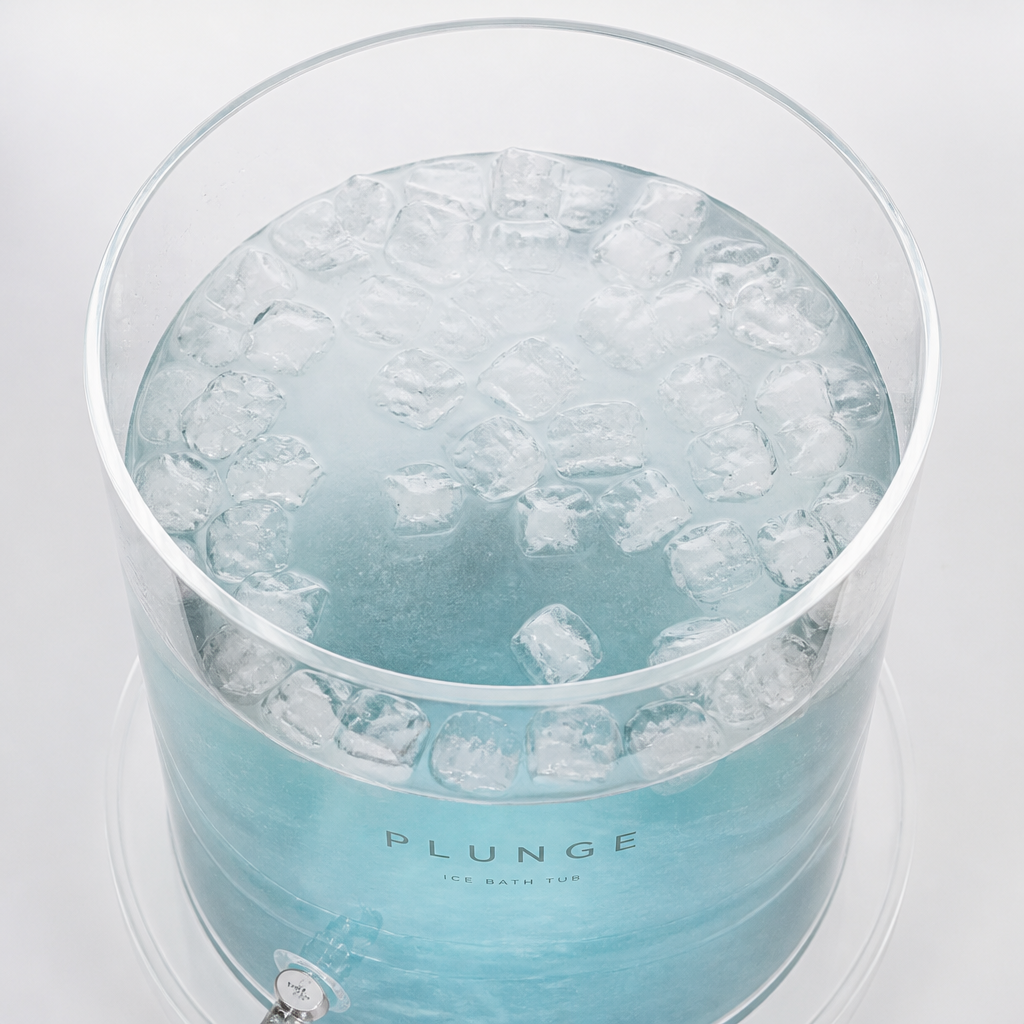
The ideal range for the benefits of inflammation reduction and muscle pain relief is between 10 and 15 degrees Celsius. Lower temperatures can cause excessive discomfort or adverse effects, such as prolonged numbness or the risk of hypothermia. For beginners, starting near 15 degrees and adjusting progressively is the most sensible approach. An immersion tub with an integrated chiller, like the ones Alaska Recover provides, allows for precise and constant temperature control without relying on ice cubes that melt at unpredictable rates.
Duration: 10 to 15 minutes as a reference
The protocols most used in a sports context place the duration between 10 and 15 minutes. This interval represents the balance between tolerable comfort and real physiological impact. Sessions longer than 20 minutes show no evidence of additional benefit and may hinder immediate muscle power. Beginners should start with 5 to 8 minutes and increase gradually over several weeks.
Timing: within 30 to 60 minutes after training
For most cyclists, the ideal time to begin immersion is within 30 to 60 minutes after exertion. This interval allows the body to initiate natural repair processes before slowing them down with immersion. Submerging immediately after exercise may limit beneficial inflammation too soon, especially during training blocks focused on muscle adaptation. On race days or during high-intensity intervals, immersion within the following 30 minutes is justified by the need to reduce pain and accelerate functional recovery.
Tip: On days of extreme heat during stages or granfondos, immersion can and should happen even earlier, as core body temperature control is just as urgent as muscle recovery. The Efapel team at the 84th edition of the Volta a Portugal used cryotherapy tubs for this very reason, with stages in conditions above 40 degrees.
Contrast therapy: when combining cold and heat makes sense
Contrast therapy, also called mixed therapy, consists of alternating between exposure to cold and heat. In the context of cycling, this approach has a robust physiological argument. The alternation between vasoconstriction and vasodilation creates a circulatory pumping effect in muscle tissues, which promotes greater blood flow, accelerates the removal of metabolites, and favors muscle relaxation.
Thermotherapy, i.e., sauna or hot water immersion, relaxes muscles and relieves pain. Cryotherapy treats injuries with cold. When alternated, the two techniques complement each other in a way that neither can replicate on its own. The reduction of muscle lactate is one of the main documented benefits of this mixed approach.
Practical contrast protocol for cyclists
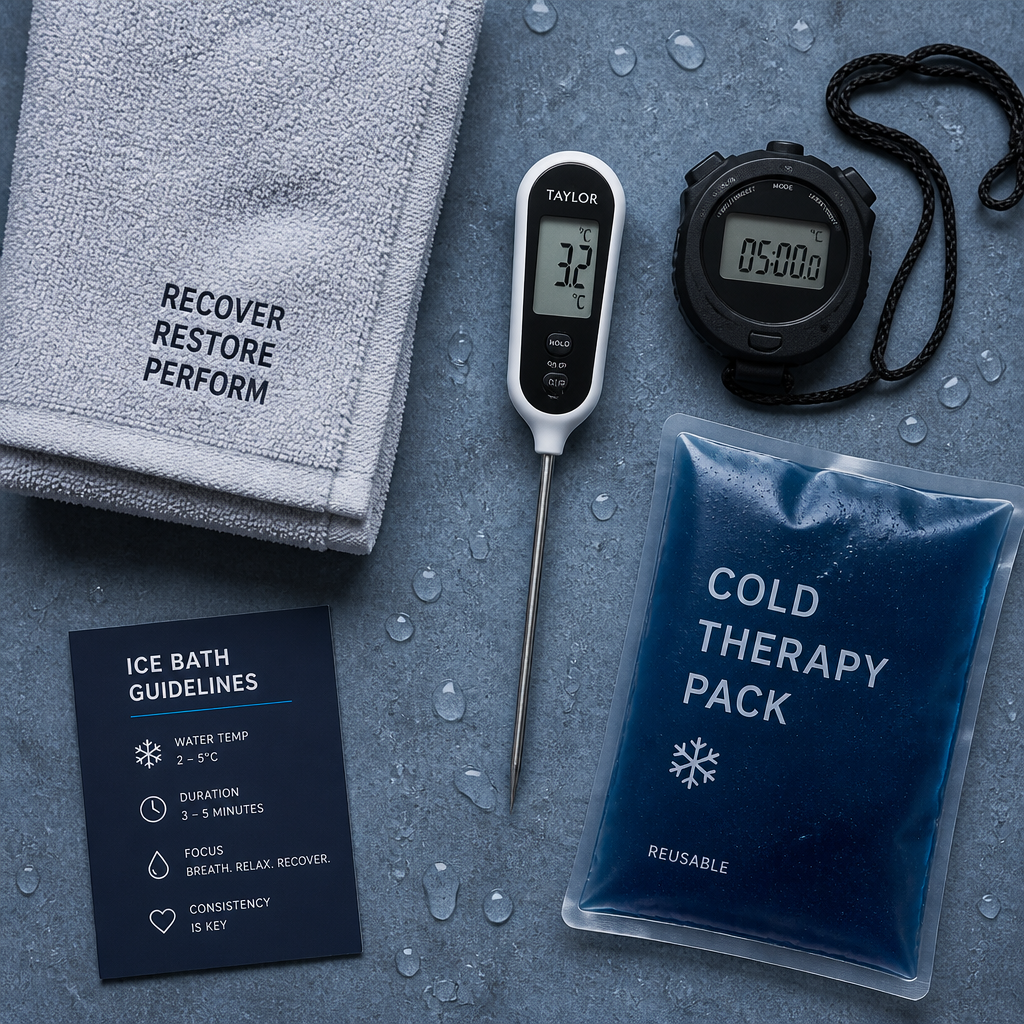
A simple, applicable protocol begins with 3 to 4 minutes of heat (sauna or hot shower), followed by 1 minute of cold water immersion. This cycle is repeated 3 to 4 times, always ending in cold. The goal is not to use either temperature as an end in itself, but to provoke these repeated vascular transitions. For cyclists who already use a sauna in their wellness routine, integrating a chiller or ice tub as a counterpoint transforms a relaxation session into an active recovery tool.
The Alaska Recover was developed exactly for this type of combined use, with immersion tubs and saunas designed to work together both in a home context and in professional spaces such as gyms, clinics, and wellness hotels.
When to avoid ice baths and what science has yet to resolve
Cryotherapy is not a solution for every situation. Using an ice bath without criteria can, in certain contexts, work against a cyclist's goals instead of serving them.
After strength training focused on hypertrophy
Immediate immersion in cold water after strength training can attenuate the anabolic signals that trigger muscle hypertrophy. For cyclists who include weight training sessions in their training plan, avoiding an immediate ice bath on those days is a rational decision. Cold limits exactly the inflammatory processes that, in this specific context, are what promote the desired muscle adaptation.
In phases of aerobic base building
In low-intensity microcycles, where the goal is aerobic adaptation rather than urgent muscle damage reduction, the ice bath can be delayed or made less frequent. Reserving cryotherapy for moments of higher training load maximizes its impact and prevents desensitization to the tool.
What science is still debating
Research on cryotherapy in endurance athletes is consistent regarding short-term benefits related to perceived recovery, DOMS, and fatigue. However, long-term effects on training adaptations are still being studied. The practical message is clear: cryotherapy is more useful as a recovery tool between intense efforts than as a substitute for a comprehensive strategy that includes sleep, nutrition, and well-planned periodization.
Comparison of recovery methods for cyclists
| Recovery Method | Main Benefits for Cyclists | Limitations and Considerations |
|---|---|---|
| Ice bath (cold water immersion) | Rapid DOMS reduction, inflammation control, improved perception of recovery, effective between efforts on the same day | May attenuate hypertrophy adaptations; requires proper equipment for temperature control |
| Contrast therapy (cold + heat) | Circulatory pumping effect, lactate reduction, muscle relaxation, cumulative benefit of both therapies | Requires access to sauna and immersion tub; longer application time (20 to 30 minutes) |
| Active recovery (light pedaling) | Maintenance of circulation, lactate clearance, preservation of joint mobility | Does not reduce inflammation directly; less effective for urgent recovery between races on the same day |
Frequently Asked Questions
What is the ideal ice bath temperature for cyclists?
The ideal temperature is between 10 and 15 degrees Celsius. This range offers anti-inflammatory and DOMS reduction benefits without the risks associated with lower temperatures, such as prolonged numbness or hypothermia. Temperatures below 10 degrees show no evidence of additional benefit and increase discomfort disproportionately.
How long should I stay in the ice bath after a bike ride?
Between 10 and 15 minutes is the interval most supported by evidence and sports use. If you are a beginner, start with 5 to 8 minutes and increase progressively. Sessions longer than 20 minutes have no proven additional benefit and may impair short-term muscle power.
Do ice baths hinder muscle gains for cyclists?
It can in specific contexts. After strength training where the goal is muscle hypertrophy, immediate cold can attenuate anabolic signals. However, for general endurance and volume cycling sessions, an ice bath is an effective recovery aid without compromising intended aerobic adaptations.
Does cryotherapy help in multi-stage races or consecutive days of training?
Yes, and that is precisely where its impact is most evident. In races with daily stages, such as granfondos, multi-day cycling tours, or road competitions, cold water immersion after each effort reduces accumulated fatigue, decreases DOMS, and improves performance quality the next day. Portuguese professional cycling teams have already adopted cryotherapy tubs to support their athletes in multi-stage races.
Can I use contrast therapy instead of a simple ice bath?
Yes, and in many cases it is a superior option for endurance cycling. Alternating between cold and heat causes repeated vasoconstriction and vasodilation, which improves circulation, accelerates lactate removal, and promotes muscle relaxation. A protocol of 3 to 4 cycles alternating between heat and cold, always ending with cold, is a practical and effective approach for cyclists who have access to a sauna and an immersion tub.
Does cryotherapy work for amateur cyclists or only for professionals?
It works for any cyclist who trains with enough regularity and intensity to accumulate muscle fatigue. The difference between an amateur and a professional is not in the physiological benefit of the tool, but in the frequency of application. A cyclist who rides three to five times a week, with sessions of varying intensity, gains real advantages from cryotherapy in the same way a professional does.
Do you already use ice baths in your cycling recovery? Tell us how you integrate this practice into your routine and what has changed since you started.
References
- Practical guide to post-workout ice baths: temperature, duration, and benefits for athletes
- Muscle recovery in cycling: cryotherapy, contrast therapy, and recommended techniques
- Cryotherapy tubs at the Volta a Portugal: how professional teams use ice in the heat
- Cold baths for athletes: effects, benefits, and how to include them in your training routine
- Ice baths for athletes: what science indicates regarding duration, temperature, and limitations