


Most people enter a sauna for the first time without any structure, sweat for ten minutes, leave feeling dizzy, and never go back. The problem isn't the sauna. It's the lack of protocol. Knowing how to use a sauna correctly from day one makes all the difference between a sustainable practice that improves muscle recovery, sleep, and overall well-being, and an uncomfortable experience that you abandon after a week. This guide provides you with a structured 30-day protocol, designed specifically for beginners who want to start off right.
Table of Contents
- What to expect in the first days of sauna use
- 30-day protocol for beginners
- How long to stay in the sauna and at what temperature
- Hydration and preparation before entering
- Sauna and cold bath: contrast therapy for beginners
- Comparison of approaches for beginners
- Common mistakes when starting to use a sauna
- Frequently Asked Questions
- References
What to expect in the first days of sauna use
In the first few days, the body is not yet adapted to the intense heat. It is completely normal for your heart rate to speed up, to feel some difficulty breathing, and to experience discomfort after just five or six minutes. It's not weakness. It's physiology.
What happens is simple: the core body temperature rises, blood vessels dilate, the volume of blood on the skin's surface increases, and the heart works harder to maintain pressure. For a beginner in the sauna, the cardiovascular system needs two to three weeks to efficiently adapt to this stimulus.
In practice, during your first sessions, you should expect to leave before feeling completely comfortable. That is the right sign. Pushing past your limit in the first few sessions does not accelerate adaptation. It delays it, because it compromises recovery and increases the risk of acute dehydration.
30-day protocol for beginners
This 30-day sauna protocol is divided into three progressive phases. Each phase respects the body's physiological adaptation curve and allows beginners to build confidence without overexerting themselves.
Phase 1: Weeks 1 and 2 - Adaptation to heat
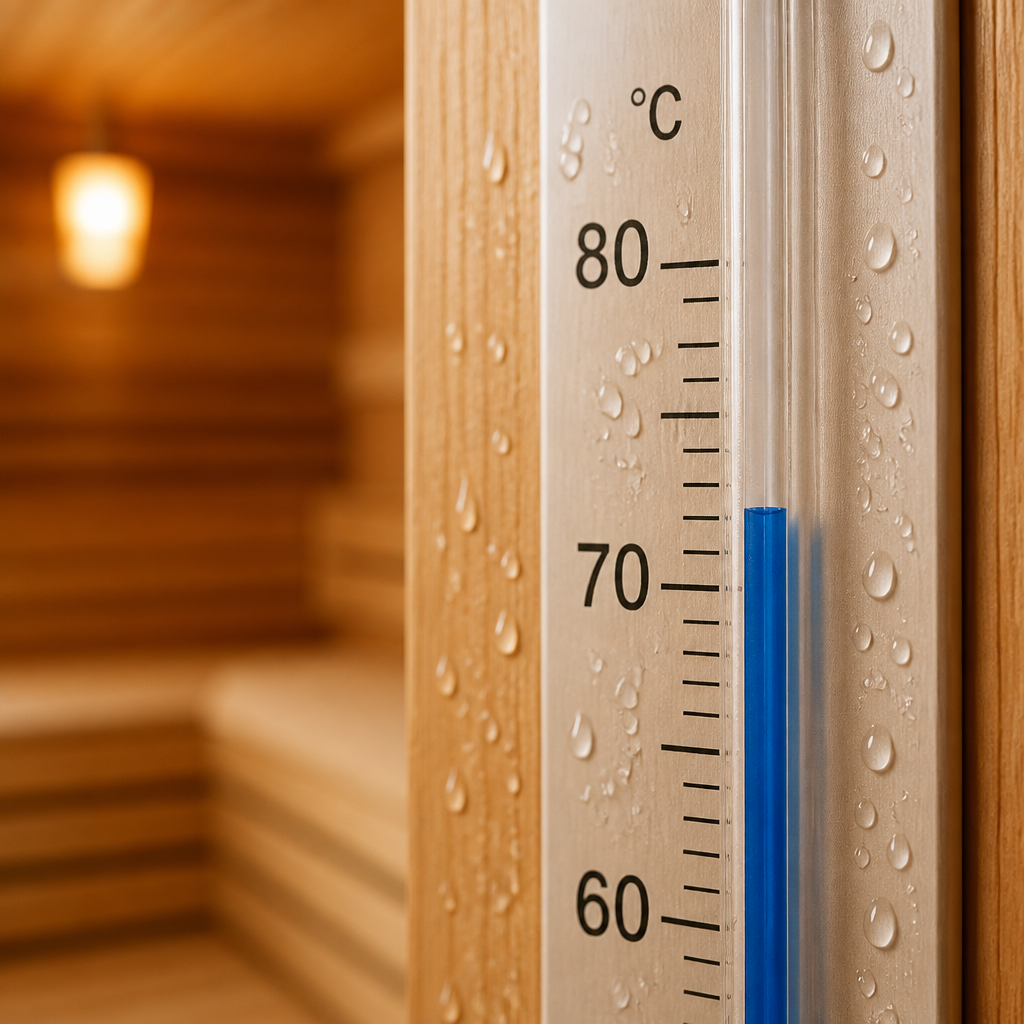
In this phase, the goal is not to sweat heavily. It is to accustom the autonomic nervous system and cardiovascular system to the hot environment. Do two sessions per week, lasting between 8 and 12 minutes each. The temperature should be between 70°C and 80°C.
Leave as soon as you feel real discomfort, regardless of the time. Rest outside for at least 10 minutes between rounds. Do not do more than one round per session in this phase. Drink 500 ml of water before entering and 500 ml after leaving.
Phase 2: Weeks 3 and 4 - Progressive increase
By the third week, the body tolerates heat better. Move to three weekly sessions, with 12 to 18 minutes per round. You can try two rounds per session, with 10 to 15 minutes of rest in between. The temperature can rise to 80°C to 90°C.
It is in this phase that the most visible benefits start to appear: improved deep sleep, reduced post-workout muscle stiffness, and a subjective feeling of faster recovery. According to research published by the Mayo Clinic, regular exposure to dry heat activates the production of heat shock proteins, which play a direct role in muscular cellular repair.
"Regular use of a Finnish sauna is associated with a significant reduction in cardiovascular risk and improvements in endothelial function, with benefits increasing proportionally to the frequency of use." - Research published in JAMA Internal Medicine, 2015, Laukkanen et al.
How long to stay in the sauna and at what temperature
This is the most frequent question from sauna beginners, and the answer depends on which week of the protocol you are in. There is a classic mistake: copying what experienced users do and trying to last 20 or 30 minutes in the very first sessions.
Data consistently shows that shorter and more frequent sessions generate more benefits than long, sporadic ones. A study by the University of Eastern Finland with more than 2,000 participants demonstrated that the greatest cardiovascular and recovery benefits were observed in people who used the sauna four to seven times per week, for 15 to 20 minutes per session, and not in those who had longer sessions with lower frequency.
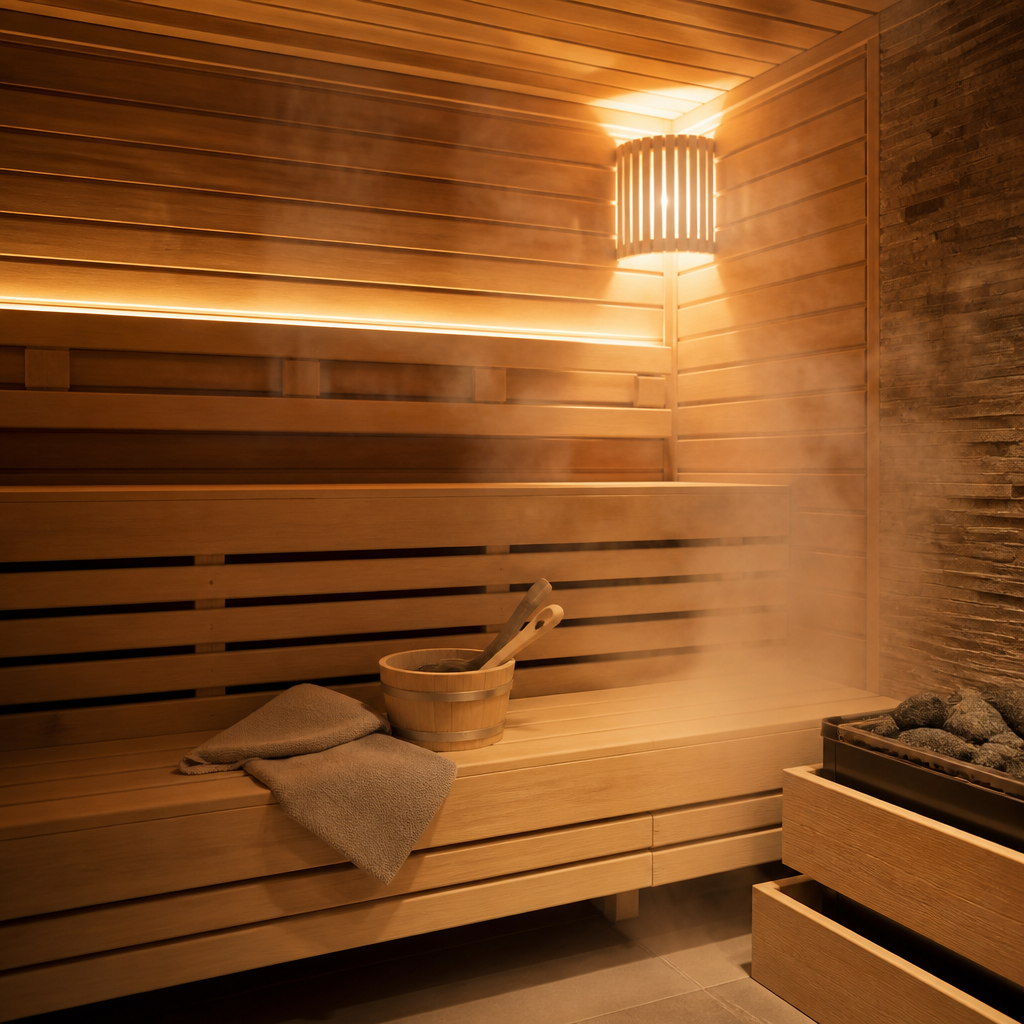
For beginners, the ideal entry temperature is between 70°C and 80°C. Saunas above 90°C are not recommended before the second week. Humidity also matters: a dry Finnish sauna with stones and occasional water is more tolerable than a steam room for those just starting out.
Tip: If you are using an Alaska Recover home sauna, always start with the temperature at the lowest available point and increase it gradually over the weeks. There is no merit in starting right at 90°C.
Hydration and preparation before entering
Hydration is probably the most neglected factor in first steps in the sauna. In a 15 to 20-minute session, an adult can lose between 500 ml and 1 liter of fluids through perspiration. If you enter already dehydrated, this translates into headaches, dizziness, and, in extreme cases, fainting.
The rule of thumb is simple: drink at least 500 ml of water in the 30 to 60 minutes prior to the session. Avoid entering the sauna immediately after a heavy meal or after high-intensity training without rehydrating first. Alcohol and the sauna are incompatible. It’s not a matter of moderation; it’s a matter of direct safety.
What to eat and what to avoid before the sauna
A light meal one to two hours before is acceptable. Fruit, yogurt, or soup are good options. Avoid heavy proteins and large amounts of fat because the digestive process competes with the peripheral vasodilation that the sauna requires, and this can cause nausea.
After the session, replenish electrolytes. Water with a pinch of sea salt and lemon juice is sufficient for sessions up to 20 minutes. For longer sessions or on days of intense training, consider drinks with sodium, potassium, and magnesium.
Tip: Do not enter the sauna with a mobile phone, synthetic towel, or polyester clothing. Use a cotton towel and sit or lie on it. Besides being more comfortable, it protects the benches and improves the overall experience.
Sauna and cold bath: contrast therapy for beginners
Contrast therapy, which combines exposure to sauna heat with immersion in cold water, is one of the most effective recovery practices available to athletes and fitness enthusiasts. The data is clear: heat-cold contrast activates hormonal, circulatory, and neurological responses that neither therapy produces in isolation.
For those taking their first steps in the sauna, the recommendation is not to introduce the cold bath before the third week. The autonomic nervous system needs time to adapt to the heat before receiving the additional stimulus of cold. Adding both stimuli too soon overloads autonomic regulation and can result in episodes of orthostatic hypotension.
In week three or four, after a full sauna session, try finishing with a cold shower for 60 to 90 seconds or, if you have access to cold water immersion equipment like those available at Alaska Recover, do a short immersion at about 15°C for 2 to 3 minutes. The effect on mental clarity and the reduction of muscle fatigue is immediate and measurable.

Comparison of approaches for beginners
There are three common approaches to sauna use for beginners. Each has clear advantages and limitations, and the right choice depends on the user's primary goal.
| Approach | Key Features | Suitable for beginners? |
|---|---|---|
| Dry Finnish Sauna (80-90°C) | High temperature, low humidity, stones with optional water. 8 to 20-minute sessions. Progressive protocol recommended. | Yes, with a gradual protocol. Best option for documented muscle recovery and cardiovascular benefits. |
| Infrared Sauna (40-60°C) | Lower temperature, heat penetrates tissues by radiation. 20 to 40-minute sessions. More comfortable initially. | Yes, this is the gentlest entry. Less immediate cardiovascular impact, but benefits are slightly different from the Finnish sauna. |
| Steam Sauna (wet room, 40-50°C) | High humidity, lower temperature. Sensation of heat is more intense due to air saturation. Makes efficient sweating difficult. | With caution. High humidity can increase the feeling of suffocation. Not recommended as a starting point for beginners with respiratory problems. |
Common mistakes when starting to use a sauna
In practice, the most frequent mistakes made by beginners are not due to a lack of motivation. They are due to a lack of information. The most common error is entering the sauna directly after training without prior rehydration. The second most common error is trying to last as long as possible during the first few sessions, as if this were a sign of progress.
Another recurring mistake is ignoring physical warning signs. Dizziness, nausea, irregular heartbeat, and a feeling of disorientation are signals to leave immediately. There is no merit in resisting these signs in a sauna.
When not to use a sauna
There are clear contraindications that many beginners are unaware of. Do not use a sauna if you have a fever, acute inflammation, uncontrolled blood pressure, are pregnant, or have consumed alcohol in the preceding hours. People with diagnosed cardiovascular diseases should obtain medical clearance before starting any sauna protocol.
For athletes who train daily, the sauna should be used at the end of the day or after the last training session. Using it before a strength or high-intensity workout compromises performance because vasodilation and fluid loss reduce short-term force production capacity.
The right frequency for the first month
Two opposing errors are equally problematic: using the sauna every day in the first week, or using it once a month and expecting results. The ideal frequency for the first month is two to three weekly sessions, with gradual progression of duration and temperature as described in the four-week protocol above.
Finnish research data published in the European Journal of Preventive Cardiology shows that cardiovascular benefits are dose-dependent, but that dose should be built up over weeks, not forced over days.
Frequently Asked Questions
How many times per week should I use the sauna as a beginner?
In the first two weeks, two sessions per week are sufficient and safe. In the third and fourth weeks, you can increase to three weekly sessions. Increasing the frequency too quickly before cardiovascular adaptation is consolidated can cause excessive fatigue and mild chronic dehydration.
How long should I stay in the sauna for my first session?
Between 8 and 10 minutes is the recommended range for the first session. Leave before reaching that time if you feel dizzy, nauseous, or have a very rapid heart rate. The goal of the first session is not to resist the heat, but to understand how your body responds to it.
Can I use the sauna after training?
Yes, but only after adequate rehydration. Wait at least 20 to 30 minutes after training, drink 500 ml of water, and only then enter the sauna. Using the sauna immediately after intense training without rehydration is the leading cause of feeling unwell in beginners.
Does the sauna help with weight loss?
The sauna causes fluid loss that is quickly recovered with hydration, so it is not a direct fat-loss tool. The real benefits for body composition come indirectly: improved sleep quality, reduced chronic cortisol, and better muscle recovery, which allows for more consistent training.
Can I combine the sauna with an ice bath in the first month?
Not in the first two weeks. Contrast therapy is very effective, but the introduction of cold should be gradual and happen only after the body has adapted to the heat. From the third week of the protocol, you can try finishing your sauna session with a cold shower or a short immersion at a moderate temperature.
What is the difference between a Finnish sauna and an infrared sauna for beginners?
The Finnish sauna operates between 70°C and 100°C with low humidity and produces a more intense cardiovascular stimulus. The infrared sauna operates between 40°C and 60°C, with heat that penetrates tissues by radiation and is generally more comfortable for those starting out. Both have documented benefits, but the most solid research protocols were conducted with traditional Finnish saunas.
Have you tried a sauna for the first time or are you following a structured protocol? Share your experience in the comments, including what went well and what you would change.
References
- Clinical information on the effects of heat on cardiovascular and muscle health
- Scientific research database on the physiological benefits of sauna and heat therapy
- International health guidelines on thermoregulation and safety practices in heat environments
- Statistical data on the growth of the global wellness and heat recovery market
- Articles on health trends, athlete recovery, and well-being in the premium sector