


Finishing an intense workout and heading straight for a cold shower seems sufficient. But if you have ever experienced full immersion in a temperature-controlled cold plunge, you know the experience is something else entirely. The difference isn't just about comfort or aesthetics. It is physiological, it is measurable, and it directly affects the quality of your post-workout recovery. In this article, we compare the cold plunge with a simple cold shower at home, explain what each actually does to your body, and help you understand which option makes the most sense for your goals.
Table of Contents
- Quick Summary
- What is a cold plunge and how does it work
- The cold shower at home: what really happens
- The physiological differences that matter
- Direct comparison: cold plunge vs. cold bath vs. cold shower
- When to use each approach in your routine
- Cold plunge at home: what you need to know before you start
- Frequently Asked Questions
- References
Quick Summary
| Key Idea | Explanation |
|---|---|
| Temperature matters more than duration | An effective cold plunge consistently maintains water between 10 °C and 15 °C. A cold shower rarely reaches this range and varies according to the home water supply. |
| Total immersion vs. partial exposure | The cold plunge covers muscles in the legs, glutes, torso, and limbs simultaneously. The cold shower only superficially touches the areas exposed to the water at that moment. |
| Vasoconstriction requires hydrostatic pressure | The water pressure in an immersion tub accelerates venous return in a way a shower cannot replicate. |
| DOMS reduces with consistent immersion | Delayed Onset Muscle Soreness (DOMS) in the 24 to 72 hours after intense training decreases with regularly performed cold water immersion protocols. |
| Cold right after strength training has caveats | Applying cold immediately after hypertrophy training can reduce the anabolic signal. In this case, waiting a few hours is smarter. |
| Chiller-controlled temperature is safer | A system with a chiller keeps water in the therapeutic range without relying on ice, ensuring repeatable and predictable results. |
| Cold showers have value, but are limited | They slightly reduce skin temperature and relieve feelings of tiredness, but do not trigger the deep physiological responses of full immersion. |
What is a cold plunge and how does it work
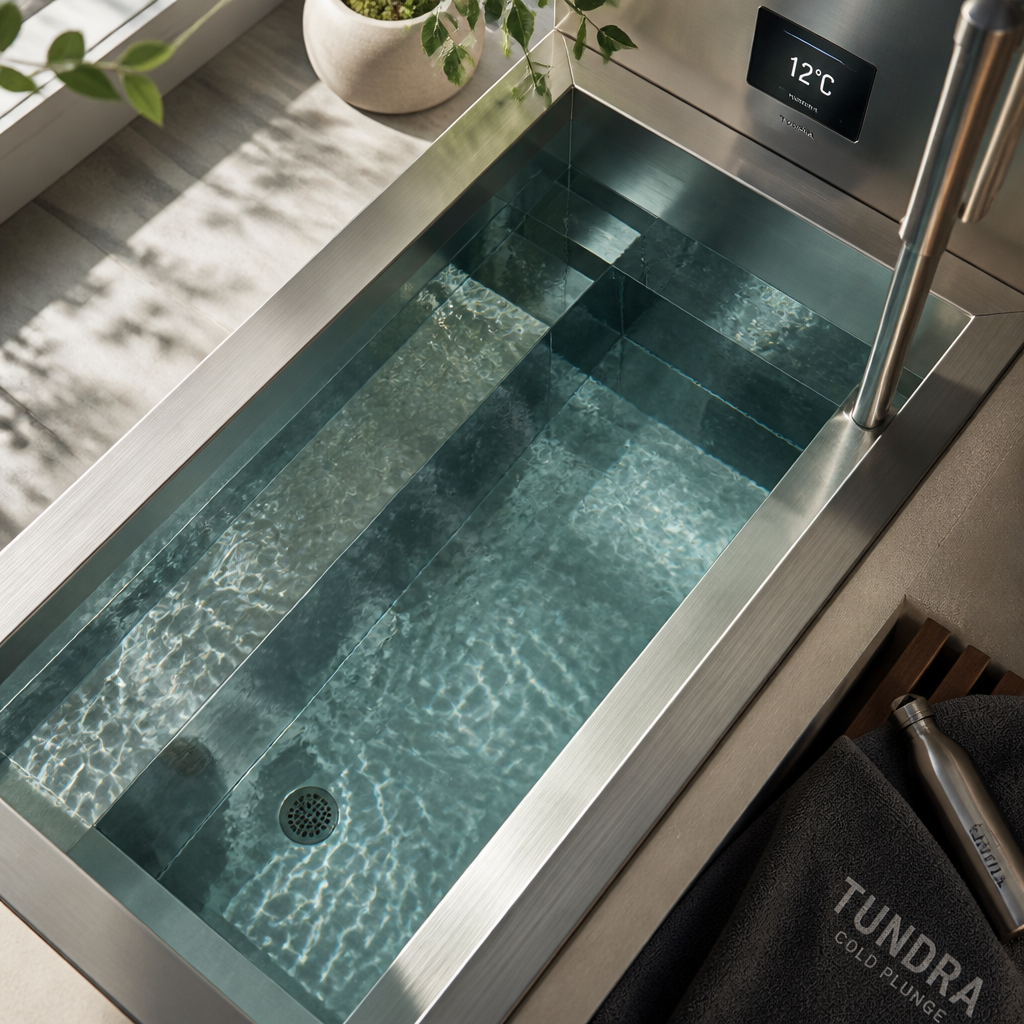
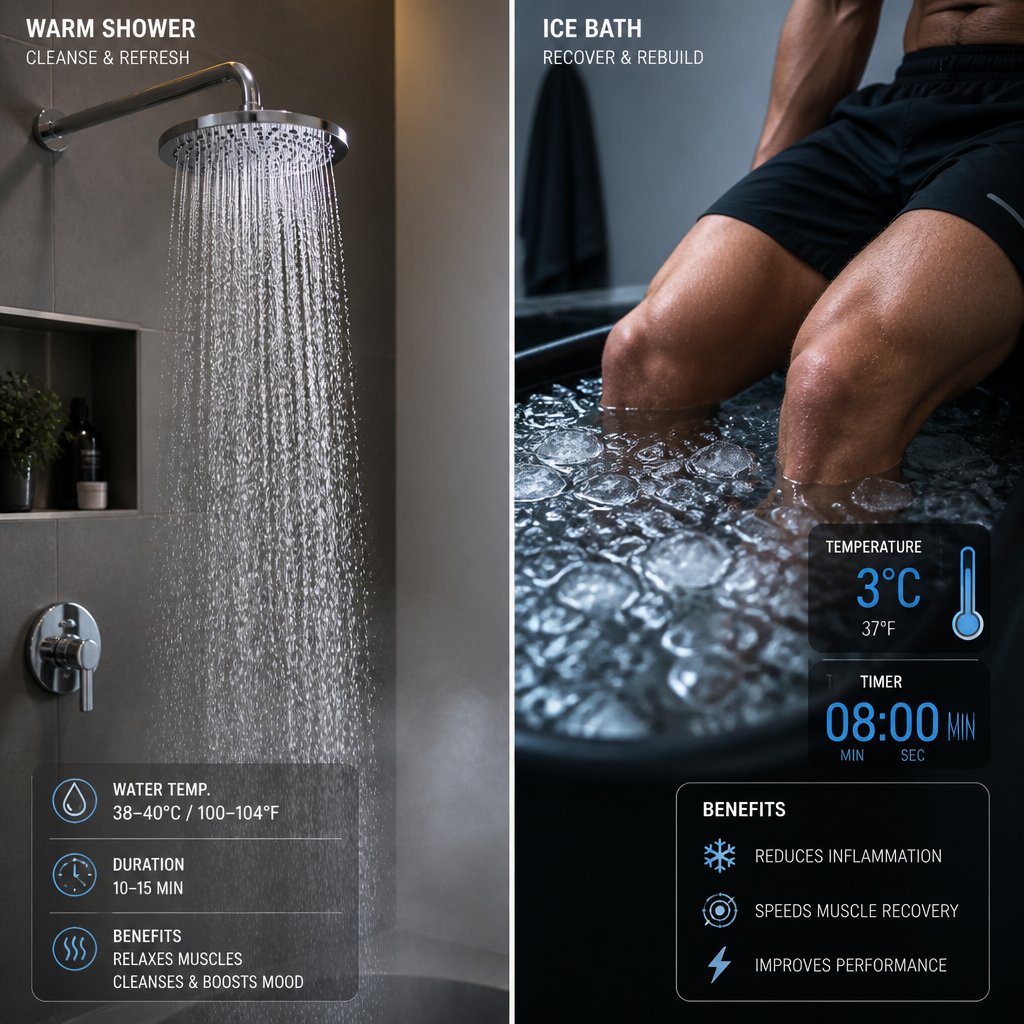
The term cold plunge, or Cold Water Immersion (CWI), refers to the total or partial immersion of the body in cold water, usually between 8 °C and 15 °C, for a period of 2 to 15 minutes, depending on tolerance and goals. This is not a recent fad. It is a practice with growing scientific evidence and has been used for decades by high-performance athletes in post-competition recovery contexts.
When the body comes into contact with water at that temperature, a peripheral vasoconstriction response occurs immediately: blood vessels constrict to preserve core heat and protect vital organs. Upon leaving the water, the reverse phenomenon, reactive vasodilation, occurs, which increases blood flow, improves muscle oxygenation, and accelerates the elimination of metabolic waste accumulated during physical exertion.
This alternation of vascular contraction and dilation acts as a kind of circulatory pump. It is this mechanism that distinguishes the cold plunge from any other form of superficial cold exposure.
Tip: If you are just starting out, you don't need to begin at 10 °C. Start with water between 14 °C and 16 °C for 3 to 5 minutes and gradually reduce the temperature over the weeks. Consistency is more important than extremes.
The cold shower at home: what really happens
When you talk about a "cold shower at home," the most common scenario is a cold shower at the end of your workout session. Does it work? Partially. Domestic water in Portugal rarely drops below 16 °C to 18 °C, especially in the summer months. This is already above the range that triggers the most significant physiological responses.
Furthermore, a shower does not guarantee full immersion. The water only touches the zones directly under the jet for very short periods, without the uniform hydrostatic pressure of a tub. This means that the vasoconstriction is superficial, localized, and inconsistent.
Where the cold shower has real value
That said, a cold shower is not useless. For those who train with moderate intensity or simply want to relieve body heat after exercise, it is a valid and accessible option. The problem arises when one assumes it replaces an immersion protocol. It does not.
The feeling of freshness and alertness you feel after a cold shower is partly due to the release of norepinephrine, a neurotransmitter associated with alertness and mood regulation. This effect occurs even with superficial cold exposure, but its intensity and duration are proportional to the thermal stimulus applied. The greater and more consistent the stimulus, the more pronounced the response.
"Full cold water immersion triggers physiological responses that simple shower exposure cannot replicate, specifically regarding hydrostatic pressure and uniform vasoconstriction of large muscle groups."
The physiological differences that matter
When you compare the two practices, the difference isn't just in the temperature. It is in how the body is exposed to that temperature and for how long. Let's break down the mechanisms that distinguish a cold plunge from a cold shower.
Hydrostatic pressure and venous return
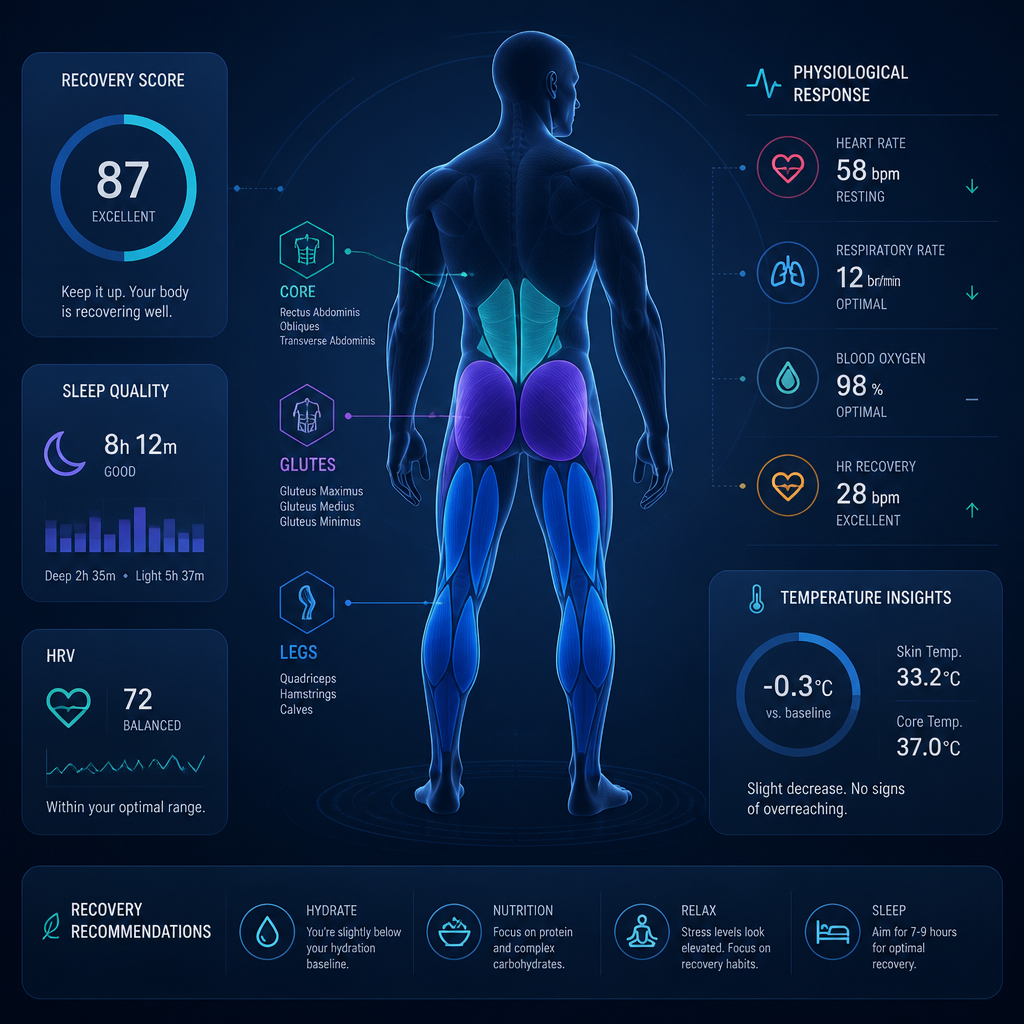
In an immersion tub, the pressure of the water column on the lower limbs acts as a uniform and gentle compression. This effect promotes venous return, meaning blood returns to the heart more efficiently. This is particularly relevant after running, cycling, or leg training, where the accumulation of lactate and metabolic waste is more intense. A shower does not generate this pressure.
Reduction of DOMS with regular immersion
Delayed Onset Muscle Soreness (DOMS) usually arises between 24 and 72 hours after an intense workout, the result of micro-tears in the muscles and the subsequent inflammatory response. Regular cold water immersion reduces the intensity and duration of this soreness. This allows you to maintain a higher training frequency without compromising the quality of subsequent sessions.
Impact on the nervous system
Cold exposure activates the sympathetic nervous system, with the release of norepinephrine. In a full cold plunge, this stimulus is much more pronounced than in a cold shower. The practical result is a high state of alertness after immersion, which many athletes describe as mental clarity and a "reset" sensation. This effect is not a placebo. It is a measurable hormonal response.
Tip: For those who train in the morning, a cold plunge immediately after training can replace your morning coffee as a cognitive stimulant. For those who train at night, consider finishing the immersion at least 2 hours before bed so as not to interfere with falling asleep.
Direct comparison: cold plunge vs. cold bath vs. cold shower
To make this comparison practical, here is a direct view of the three most common approaches that people use in the context of post-workout cold recovery.
| Criteria | Cold Plunge (tub with chiller) | Cold bath (with ice) | Cold shower |
|---|---|---|---|
| Typical temperature | 8 °C to 15 °C, precisely controlled | 10 °C to 15 °C, but variable based on ice | 16 °C to 22 °C, dependent on home supply |
| Consistency between sessions | High, repeatable temperature | Low, every bath requires new preparation with ice | Very low, varies by season and time of day |
| Hydrostatic pressure | Yes, full and uniform immersion | Yes, but with the added discomfort of ice | No, only superficial jet |
| Muscle coverage | Total (legs, glutes, lower back, abdomen) | Total, but uncomfortable to maintain for over 5 min | Partial and rotating, never simultaneous |
| Maintenance cost | Low after initial equipment investment | Recurring, depends on buying ice | Almost zero |
| Suitable for daily routine | Yes, prepared in minutes | Not practically, demanding logistics | Yes, but with limited physiological effect |
| Measurable therapeutic effect | High, comparable to clinical protocols | High, but inconsistent | Low to moderate |
When to use each approach in your routine
The choice between cold plunge and cold shower isn't just a matter of preference. It depends on your training volume, your goals, and the phase you are in. Here is practical guidance for different profiles.
Running, cycling, and endurance training
For endurance athletes, a cold plunge immediately after a long session is one of the most effective strategies to reduce systemic inflammation and neuromuscular fatigue. Immersion at 10 °C to 15 °C for 10 to 15 minutes is a protocol well-supported in literature for endurance sports. In this case, a cold shower can be used when a cold plunge is unavailable, but it should not be viewed as an equivalent.
Strength and hypertrophy training
Here, the question is more subtle. Applying cold immediately after strength training can attenuate the anabolic signal that promotes muscle growth. If your primary goal is muscle gain, avoid the cold plunge for 2 to 4 hours immediately following a hypertrophy workout. Reserve it for active recovery days or use it more than 4 hours after the session.
Athletes in intense training blocks
When the weekly volume is high and recovery between sessions is short, the cold plunge becomes a tool for managing accumulated effort. It allows the athlete to maintain training consistency without accumulating excessive fatigue that would interfere with the quality of subsequent sessions.
Cold plunge at home: what you need to know before you start
The biggest barrier people identify to doing a cold plunge at home is logistics. And with good reason: preparing a bathtub with ice daily is impractical, expensive, and inconsistent. That is exactly why systems with integrated chillers have changed access to this practice.
A chiller keeps the water in the therapeutic range you choose, without needing to buy ice, without temperature variation between sessions, and without the hassle of preparation. The result is that the practice shifts from an occasional experience to a sustainable daily routine. And it is the consistency, not the one-off intensity, that produces the results that make this practice valued by athletes and wellness professionals.
What distinguishes a portable tub from a professional system
Portable tubs are an accessible entry into the world of home cold plunges. They are lightweight, easy to install and move, and compatible with external chiller systems. They are ideal for home users who train regularly and want to integrate immersion into their routine without major renovations.
Professional systems, with more rigid structures, higher durability materials, and superior volume capacity, are the choice of gyms, clinics, hotels, and wellness centers that need to support multiple users per day. Alaska Recover offers both categories, from portable solutions for home use to integrated systems with chillers for commercial contexts, maintaining the same focus on performance and ease of use.
If you train frequently and are considering investing in your recovery, the difference between a temperature-controlled tub and a cold shower is not marginal. It is the difference between a real recovery protocol and a hygiene routine with some refreshing effect.
Frequently Asked Questions
What is the ideal temperature for an effective cold plunge?
For post-workout recovery, the most studied and recommended range is between 10 °C and 15 °C. Temperatures below 10 °C are more intense and do not necessarily bring more benefits for the majority of users. The most important thing is consistency, not extremes.
How long should I stay in the cold plunge?
For beginners, 2 to 5 minutes is enough to trigger the relevant physiological responses. As you increase your cold tolerance, you can extend this to 10 to 15 minutes. Never exceed 20 minutes of full immersion at temperatures below 12 °C.
Can a cold shower replace a cold plunge?
Not effectively. A cold shower has value as a daily habit and as a way to stimulate the nervous system, but it does not replicate the hydrostatic pressure, full muscle immersion, or the controlled temperature of a cold plunge. For serious post-workout recovery, full immersion is necessary.
How often should I do a cold plunge?
For recovery in a regular training context, 3 to 5 sessions per week is a common frequency among athletes and fitness enthusiasts. On days with light training or active rest, a shorter session serves primarily to maintain the habit and mental benefits.
Is the cold plunge safe for everyone?
Not without prior evaluation. People with heart disease, high blood pressure, circulation problems, diabetes, or those who are pregnant should consult a doctor before starting any cold water immersion protocol. Cold can trigger rapid cardiovascular responses that require attention in specific clinical cases.
Is it better to do a cold plunge before or after training?
Almost always after. Cold immersion before training can reduce muscle temperature and impair performance, increasing the risk of injury. The exception is when the goal is only for mental benefit or alertness at the start of the day, without high-intensity training to follow.
Is a portable tub sufficient to get the same results as a professional tub?
Yes, provided it is used with a chiller that maintains a stable temperature. The therapeutic effect depends on the water temperature and the duration of immersion, not the tub structure itself. A quality portable tub with a chiller offers a protocol equivalent to more expensive systems.
Have you experienced the difference between a temperature-controlled cold plunge and a simple cold shower? Tell us how it went and what changed in your recovery.