


After an intense workout, your muscles cry out for help. The question that divides athletes, physical therapists, and fitness enthusiasts all over the world is always the same: ice bath vs. sauna, which of the two approaches recovers muscles more effectively? The answer is not simple, because the two techniques act through opposing mechanisms and serve different objectives. Understanding when to use each, or how to combine them, is what separates a mediocre recovery from a recovery that allows you to train again the next day with quality.
Table of Contents
- Quick Summary
- How Ice Baths Affect Muscles
- How the Sauna Affects Muscles
- Direct Comparison: Cold vs. Heat
- Contrast Therapy: The Best of Both Worlds
- When to Use Each: A Practical Guide
- Frequently Asked Questions
- References
Quick Summary
| Key Point | Explanation |
|---|---|
| Ice baths reduce immediate inflammation | Cold water immersion triggers vasoconstriction, reducing swelling and delayed onset muscle soreness (DOMS) in the hours following training. |
| Saunas promote medium-term regeneration | Heat increases circulation, activates heat shock proteins, and aids in muscle tissue repair, being more indicated in the subacute phase of recovery. |
| The ideal ice bath protocol is 10-15°C for 10-15 minutes | Multiple meta-analyses point to this temperature and duration window as the most effective for recovery, within two hours after training. |
| Excessive ice bathing can hinder muscle adaptations | Using cold immersion after every strength training session can block part of the hypertrophy gains. Moderation is essential. |
| Contrast therapy enhances the benefits of both | Alternating cold and heat stimulates circulation more intensely than any isolated modality, accelerating muscle regeneration. |
| Timing changes everything | Cold in the acute phase (immediately after exertion). Heat in the subacute or chronic phase (hours or days later). Reversing the order can be counterproductive. |
| Neither replaces sleep and nutrition | Ice baths and saunas are support tools. Without rest and adequate protein intake, neither will produce significant results. |
How Ice Baths Affect Muscles
When the body comes into contact with cold water, an immediate process of vasoconstriction occurs: blood vessels contract, blood flow to worked muscles slows down, and local inflammation is contained. Upon exiting the water, the vessels dilate rapidly, and this "pump" movement helps to eliminate accumulated metabolites, such as lactate, and bring oxygenated blood back to the muscle tissue.
Available research shows that cold water immersion can reduce delayed onset muscle soreness, decrease inflammation, and accelerate general recovery, especially after high-intensity exercise or competition. The most studied protocol with the most consistent evidence points to water between 10 and 15°C for 10 to 15 minutes, ideally within the two hours following training.
In practice, athletes who use ice baths systematically report less perceived fatigue the next day and a greater ability to maintain training quality during periods of high load. But there is an important caveat: cold should not be used indiscriminately after every strength workout. Post-exertion inflammation is part of the muscle adaptation process, and repeatedly suppressing it can attenuate hypertrophy and strength gains over time.


Tip: If your main goal is hypertrophy, reserve the ice bath for the most intense training days or during competition periods, rather than using it after every weightlifting session.
How the Sauna Affects Muscles
Sauna heat produces the opposite effect to cold: blood vessels dilate, blood flow increases, and muscles receive more oxygen and nutrients. This process, called vasodilation, improves oxygenation of muscle tissue and supports the repair of fibers damaged by exertion.
A particularly relevant mechanism is the activation of heat shock proteins (HSP). These proteins are produced by the body in response to thermal stress and play a direct role in repairing damaged muscle proteins. A study published in the journal Biology of Sport analyzed the effects of infrared sauna sessions after resistance training and concluded that there was improved neuromuscular recovery and reduced muscle soreness.
A common mistake is to use the sauna immediately before training with the goal of "warming up the muscles." Evidence indicates that the sauna is more effective when used after training, not before. Using heat in the acute phase of inflammation, when tissues are still actively inflaming, can aggravate discomfort rather than reduce it.
Tip: To maximize the benefits of the sauna on muscle recovery, use it 60 to 90 minutes after training, with 15 to 20-minute sessions. Hydrate well before and after, as dehydration negates a large part of the benefits.
Direct Comparison: Cold vs. Heat
Putting ice baths and saunas head-to-head requires honesty: the two techniques do not compete for the same space. They serve different stages of recovery and different types of exertion. The table below organizes the main differences so you can make informed decisions.
| Criteria | Ice Bath (Cold) | Sauna (Heat) |
|---|---|---|
| Main mechanism | Vasoconstriction, reduction of acute inflammation | Vasodilation, increased blood flow, and HSP activation |
| Best phase to use | Acute: immediately after exertion (up to 2h) | Subacute or chronic: hours or days after exertion |
| Effect on muscle soreness (DOMS) | Significant pain reduction in the first 24-48h | Medium-term pain reduction, especially in endurance athletes |
| Impact on hypertrophy | May attenuate gains if used excessively after strength training | Does not negatively interfere with muscle growth |
| Additional systemic benefits | Mood improvement, norepinephrine release, mental resilience | Cardiovascular health, nervous system relaxation, sleep quality |
| Indication for acute injuries | Yes, to reduce immediate inflammation | Not recommended in the acute phase of injury |
| Typical protocol | 10-15°C, 10-15 minutes | 70-90°C (traditional sauna) or 45-60°C (infrared), 15-20 minutes |
Cold treats what is burning right now. Heat repairs what has been damaged. Using both at the right time is the difference between managing pain and accelerating regeneration.
The practical conclusion is straightforward: if you have just finished a 20-kilometer run or a high-intensity training session and the goal is to be functional the next day, the ice bath has an immediate advantage. If the goal is to support regeneration over consecutive days of training, the sauna works more deeply and sustainably.
Contrast Therapy: The Best of Both Worlds
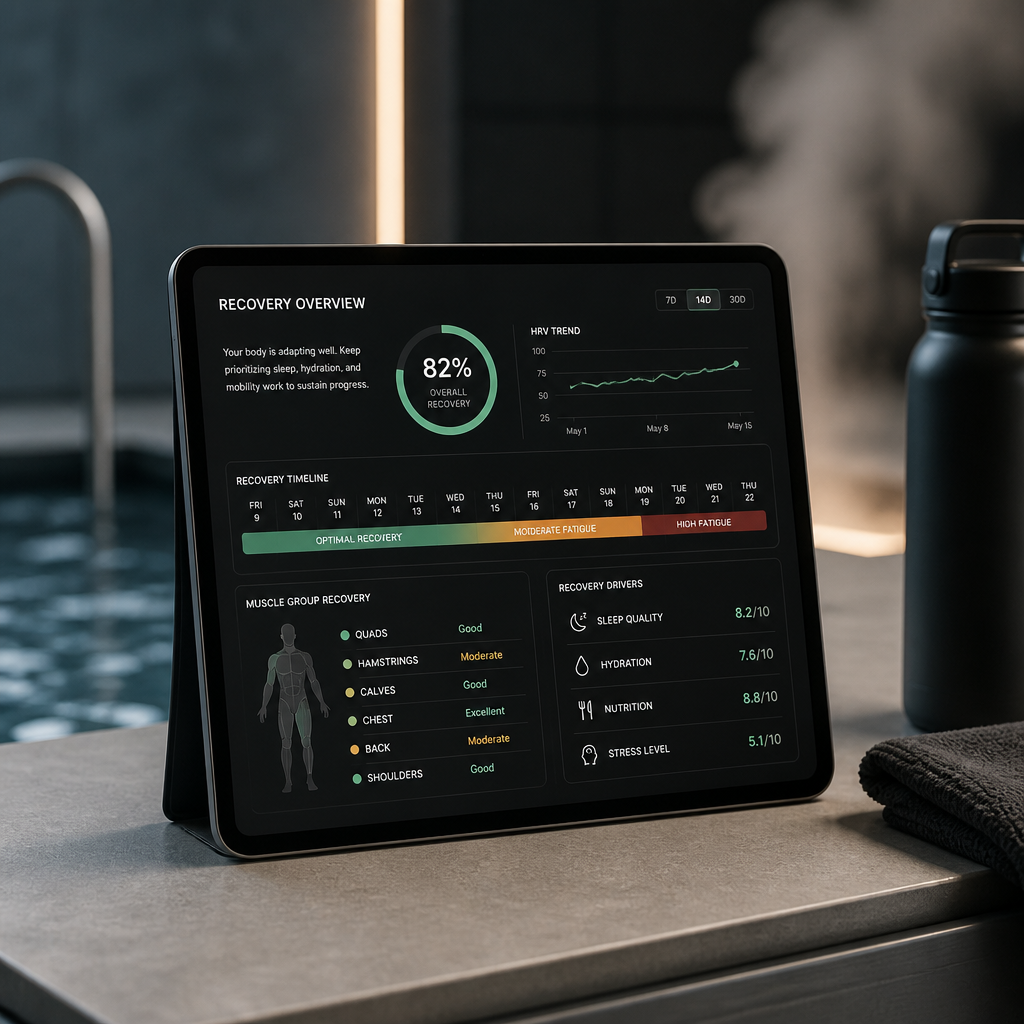
Contrast therapy, which deliberately alternates between cold and heat sessions, is now one of the most widely used approaches in professional sports contexts and is gaining more and more ground among demanding home users. The logic is simple: by combining vasoconstriction and vasodilation in a repeated and controlled manner, a "circulatory pump" effect is created that neither modality can produce alone.
How to structure a contrast therapy protocol
The most common protocol in an athletic context starts with 10 to 15 minutes in cold (10-15°C) followed by 15 to 20 minutes of heat (traditional or infrared sauna), repeating the cycle two to three times. Ending with heat favors muscle relaxation and parasympathetic activation, which is especially useful when training is done at night and the goal is also to improve sleep quality.
When contrast therapy makes more sense than each modality alone
Contrast therapy is particularly indicated for athletes in periods of dense competition, triathletes, runners who train every other day, and team sport practitioners with few recovery days between games. In a clinical context, it is also used for accumulated muscle fatigue and in subacute phases of post-injury recovery.
From the perspective of Alaska Recover, this combination is precisely why the range includes both cold plunge tubs and saunas, as well as chillers for precise temperature control. Having both tools available, whether at home or in a professional space, is what makes contrast therapy accessible and consistent.
Tip: If you are a beginner at contrast therapy, start with shorter cycles: 5 minutes in cold and 10 minutes in heat, repeating only once or twice. The body needs weeks to adapt to extreme temperature fluctuations.
When to Use Each: A Practical Guide
Most people fail not by choosing the wrong modality, but by using it at the wrong time. The stage of recovery you are in is key to deciding between cold, heat, or contrast.
Immediately after intense training (acute phase, 0-2 hours)
This is the window where the ice bath has the most proven impact. Muscle tissue is actively inflamed, and cold water immersion slows this process, reducing DOMS in the following hours and days. Use the immersion tub with a temperature between 10°C and 15°C for 10 to 15 minutes.
Between 6 to 24 hours after training (subacute phase)
Here, heat begins to gain the advantage. Acute inflammation has passed, and the body now needs circulation and tissue repair. A 15 to 20-minute sauna session in this window activates heat shock proteins and improves blood flow to the most affected areas. If you have access to both, it is also a good time for a gentle contrast protocol.
During periods of high training load (high-volume weeks)
When you train with high frequency and the goal is to maintain quality from session to session, the systematic combination of an ice bath after the hardest workouts and a sauna on active recovery days is one of the most effective strategies available. Alaska Recover chillers allow you to keep the water temperature exactly where it should be, without relying on ice, which makes it easier to integrate this practice into your daily routine.
Before sleep
The sauna used two to three hours before sleep can improve sleep quality by inducing a rise and subsequent drop in body temperature, which signals to the body that it is time to rest. An ice bath before bed, on the other hand, has a stimulating effect that may make it difficult for some people to fall asleep.
Frequently Asked Questions
Can I use an ice bath and sauna on the same day?
Yes, and this is exactly what contrast therapy proposes. The ideal is to start with cold and end with heat if the goal is relaxation and deep recovery, or start with cold and end with a short natural rewarming if you prefer a more energizing effect. Avoid reversing the order when training has been very intense, as entering a very hot sauna immediately after maximal effort can overload the cardiovascular system.
Is an ice bath effective for muscle recovery after weightlifting?
It is effective for reducing muscle soreness and recovering faster, but it should be used with discretion in strength training. If your main goal is to gain muscle and strength, avoid using an ice bath after every weightlifting workout, as repeated suppression of post-workout inflammation may limit muscle adaptations. Reserve it for competitions, very high-volume weeks, or periods of two-a-day training.
What is the ideal temperature for a recovery ice bath?
Research consistently points to the range between 10°C and 15°C as the most effective for reducing muscle soreness and accelerating recovery. Temperatures below 10°C increase discomfort and cardiovascular risk without offering proven additional benefits for muscle recovery. Alaska Recover tubs and chillers allow you to adjust and maintain this temperature precisely, without relying on manual addition of ice.
How long should I stay in the sauna after training?
For muscle recovery purposes, sessions between 15 and 20 minutes are the most studied and practical. Longer sessions increase dehydration and thermal stress without adding proportional benefits. The most important thing is to hydrate before and after the session, and wait at least 30 to 60 minutes after training before entering the sauna, especially if the effort was very intense.
Is contrast therapy suitable for beginners?
Yes, but with gradual progression. A beginner should start with less extreme cold temperatures (14-16°C instead of 10°C) and shorter cycles. The body adapts to sudden temperature changes over weeks, and forcing maximal intensities from the start increases the risk of fainting and reduces the sustainability of the practice. Consistency over time is worth much more than the intensity of the first day.
Is an ice bath or sauna better for runners and triathletes?
For runners and triathletes, who typically train with high volume and few days off, the combination of both approaches is more powerful than either one alone. An ice bath immediately after the longest or most intense sessions reduces DOMS and allows you to train again sooner. The sauna on active recovery days supports muscle repair and autonomic nervous system balance, two critical factors for sustained performance.
Do you already use an ice bath, sauna, or both in your recovery routine? Share your experience in the comments; your practice may help other athletes find the right protocol.
References
- Scientific evidence on cold water immersion and muscle recovery in sports
- Study published in Biology of Sport on infrared sauna and neuromuscular recovery
- Mayo Clinic Health System: The effects of ice baths on recovery after exercise
- What science says about heat, cold, and contrast therapy for recovery
- Ice bath and infrared sauna: how they work and how to combine them