


Anyone who has tried to maintain a consistent ice bath routine using bags purchased at the supermarket knows the problem well: water that warms up quickly, temperatures impossible to control, cumulative costs that come as a surprise at the end of the month, and the annoying logistics of carrying bags for every session. The ice bath chiller exists precisely to eliminate these obstacles. It is not just a matter of comfort; it is a matter of therapeutic efficacy. If the temperature is not consistent, the physiological stimulus is not either, and the benefits of cold immersion are compromised.
Table of Contents
Table of Contents
- The Real Problem with Supermarket Ice
- What Is an Ice Bath Chiller
- Chiller vs. Ice: Practical Comparison
- Stable Temperature: Why It Changes Everything
- Water Hygiene and Quality
- Real Cost Over Time
- Who Needs a Chiller Most
- Frequently Asked Questions
Quick Summary
| Key Point | Explanation |
|---|---|
| Inconsistent temperature with ice | Supermarket ice melts quickly, causing the temperature to rise during the session and reducing the therapeutic stimulus. |
| Chiller maintains stable temperature | A quality chiller keeps the water between 3 °C and 10 °C continuously and automatically, session after session. |
| Cumulative cost of ice is high | A session with supermarket ice can require between 10 and 25 kg of ice. Daily or weekly repetition represents a significant cost over the year. |
| Superior hygiene with chiller | The best chillers include filtration and UV sterilization systems that keep water clean between sessions, which ice cannot guarantee. |
| App control is a practical advantage | Programming the temperature before arriving home or at the gym eliminates waiting time and ensures the session starts within the correct parameters. |
| Consistency is the foundation of results | Cold therapy works through the accumulation of regular exposure. An inconsistent routine due to a lack of ice delays results. |
| Chiller pays off for frequent use | For those who plunge 3 or more times per week, the investment in a chiller pays for itself much faster than it seems at first glance. |
The Real Problem with Supermarket Ice
The idea seems simple: fill the tub, dump in the bags of ice, get in. The problem starts when physics comes into play. The ice melts in contact with the water and ambient temperature, and body heat accelerates this process even further. What starts at 8 °C can easily reach 14 °C or 16 °C after ten minutes, precisely when the session should be at its peak effectiveness.
For a standard-sized recovery tub, reaching and maintaining the ideal therapeutic temperature can require between 15 and 25 kg of ice per session, depending on the initial water temperature and the vessel's volume. Those who use the tub regularly, three to five times a week, end up making a logistical trip to the supermarket that consumes time, money, and patience.
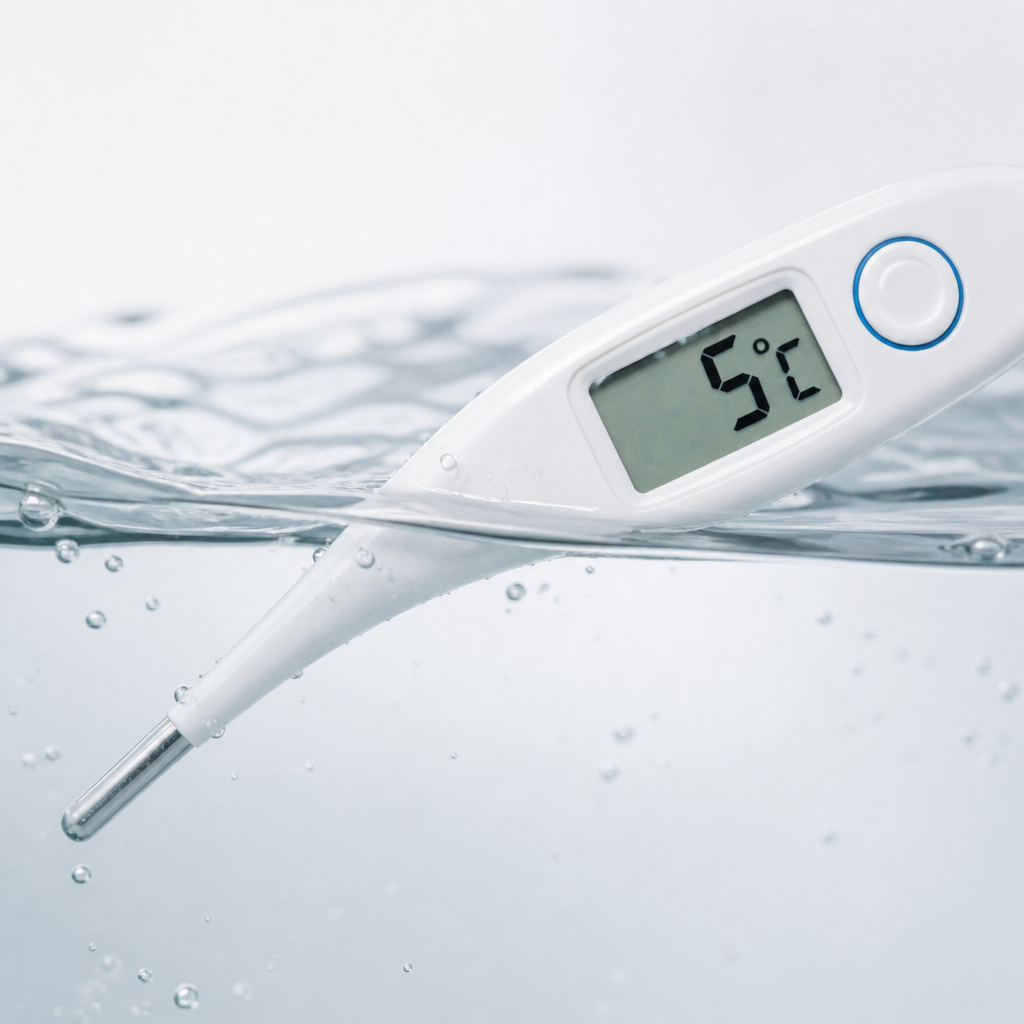
There is also a less obvious problem: without a thermometer and a plan, it is impossible to know with precision the temperature at which one is plunging. This turns a practice with documented physiological benefits into a rough experience, lacking the consistency that allows for measuring progress or adjusting protocols.
What Is an Ice Bath Chiller
An ice bath chiller is a dedicated refrigeration system that cools the water in the immersion tub continuously and automatically, without the need to add ice. It works through circulation: water passes through the cooling system, is chilled to the programmed temperature, and returns to the tub at the correct temperature.
The most advanced models, such as the Chiller Boost Alaska and the Mini Chiller Alaska, include Wi-Fi connectivity with mobile app control for iOS and Android. This means you can set the temperature before arriving home, and the tub will be ready when needed.
Types of chillers available
There are essentially two profiles of ice bath chillers on the market: compact and silent models designed for home use and tubs with a capacity of up to 500 liters, and higher-power models suitable for intensive commercial use in gyms, wellness studios, and sports facilities.
Cooling power is the main differentiator. A lower-power chiller (like the Mini Chiller from Alaska Recover, capable of cooling down to 3 °C) is sufficient for individual home use. A higher-power chiller, such as the 1400W Chiller Boost, reaches 3 °C faster and is ideal for more frequent use or for those who demand greater consistency and cooling speed.
Tip: When choosing a chiller, always consider the volume of your tub and the frequency of use. For 400 to 500-liter tubs used daily, opting for higher power saves cooling time and ensures the water is ready when you need it.
Chiller vs. Ice: Practical Comparison
Choosing between using supermarket ice or investing in a chiller is not just a matter of initial budget. It is a decision that directly affects the quality of each session, the consistency of the routine, and the real cost over time.
| Criteria | Supermarket Ice | Ice Bath Chiller |
|---|---|---|
| Temperature control | Imprecise: varies between the start and end of the session | Precise and stable: maintains programmed temperature throughout the session |
| Cost per session | Recurring ice cost (15 to 25 kg per typical session) | Electricity consumption only after the initial investment |
| Logistics | Requires regular purchase, transport, and storage of ice | No additional logistics: just turn on the system |
| Water hygiene | Unfiltered water; requires frequent changing | Integrated filtration system prolongs water quality |
| Convenience | Preparation can take 20 to 40 minutes | Programmable via app; water ready at the right temperature |
| Suitability for frequent use | Impractical for daily or commercial sessions | Designed for intensive and consistent use |
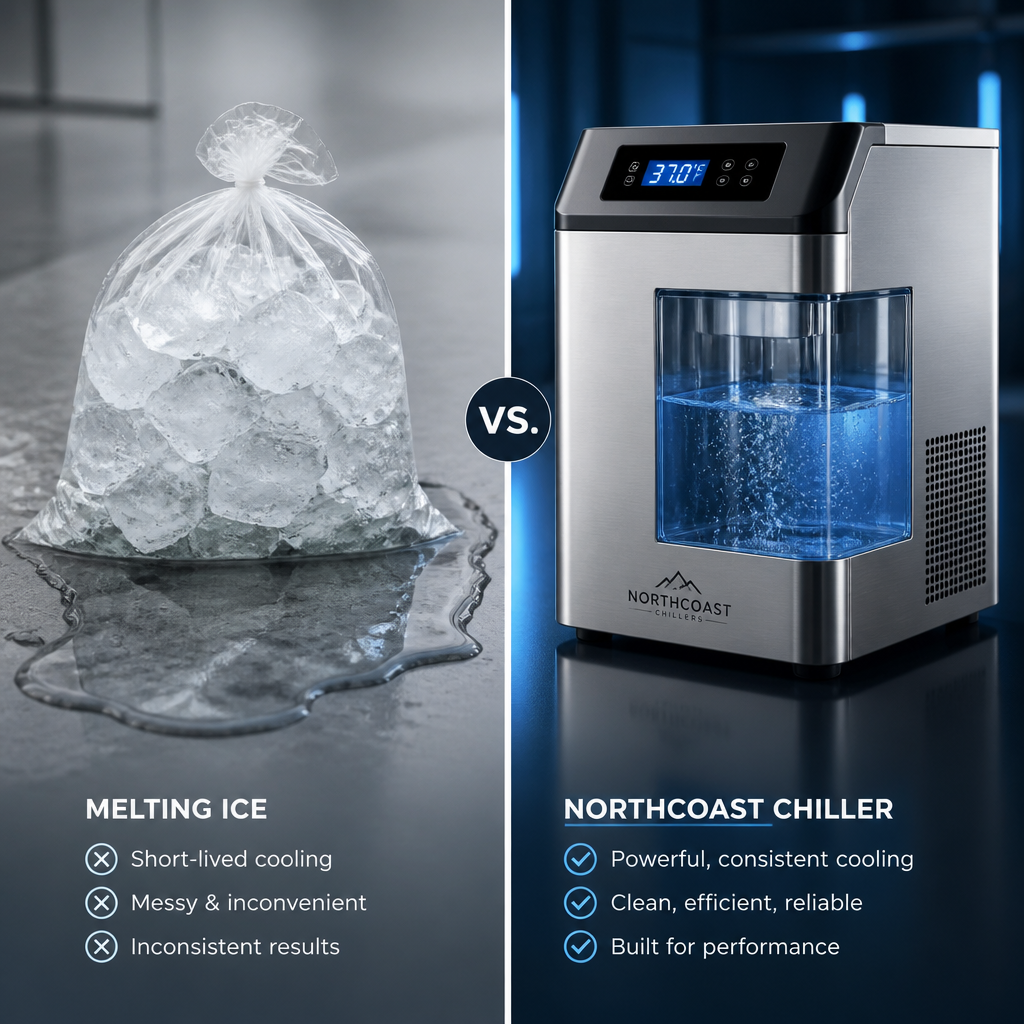
The conclusion of this comparison is straightforward: supermarket ice works for those trying it once or wanting to test the sensation without an investment. For anyone wanting to incorporate cold immersion into a structured recovery routine, ice is an operational obstacle, not a solution.
Stable Temperature: Why It Changes Everything
Temperature is the central variable in any cold immersion protocol. The most frequently cited therapeutic range is between 8 °C and 15 °C, with experienced users and specific goals often working between 3 °C and 10 °C. Outside of this range, the physiological response is compromised: above 15 °C the stimulus is weak; below 3 °C the risk of cold injury increases without additional proportional benefit.
With supermarket ice, the entry temperature is rarely precise. It starts at an estimate and rises as the ice melts. The most effective immersion happens in the first few minutes, after which the stimulus progressively decreases, even if the user is still in the tub.
Temperature is not a secondary detail of a cold immersion session: it is the parameter that determines whether the physiological stimulus happens or not, and with what intensity.
A chiller keeps the temperature stable from the beginning to the end of the session. This means the stimulus is consistent throughout the 10, 15, or 20 minutes of immersion, regardless of the ambient temperature or the body heat transferred to the water. For athletes and users who follow specific protocols, this consistency is not a luxury: it is the minimum requirement for the protocol to work as planned.
The impact on long-term results
Cold therapy works through regular, accumulated exposure. The body progressively adapts to the cold stimulus, improving temperature regulation, blood circulation, and inflammatory response. For this adaptation to occur, sessions must be sufficiently consistent in temperature, duration, and frequency.
An irregular routine, dictated by the availability of ice at the supermarket or transportation logistics, will never produce the same results as a structured routine with controlled temperature. This is, in practice, the most important difference between the two methods.
Tip: Start with 5 to 10-minute sessions at a temperature between 10 °C and 15 °C and adjust progressively. With a chiller, you can record and repeat exactly the parameters that work best for your body.
Water Hygiene and Quality
This is a topic that rarely appears in discussions about ice baths, but it is especially relevant for those who use the tub regularly. Supermarket ice is made with potable water and is safe at the time of purchase. The problem is not the ice itself, but the tub water after a few sessions.
Without filtration, the water accumulates skin residues, sweat, and organic matter after each session. In ice tubs without a circulation system, this water must be changed very frequently, which represents more water waste and more maintenance effort.
Quality ice bath chillers include washable particulate filters that significantly extend the life of the water. Some models also integrate ozone or UV sterilization, which inhibit bacterial growth and keep the water in suitable conditions for repeated use. This difference is particularly relevant for gyms, wellness studios, and recovery centers, where multiple users share the same equipment.
For home use, the filtration integrated into a chiller translates into less frequent water changes, lower consumption, and a more hygienic experience with each session.
Real Cost Over Time
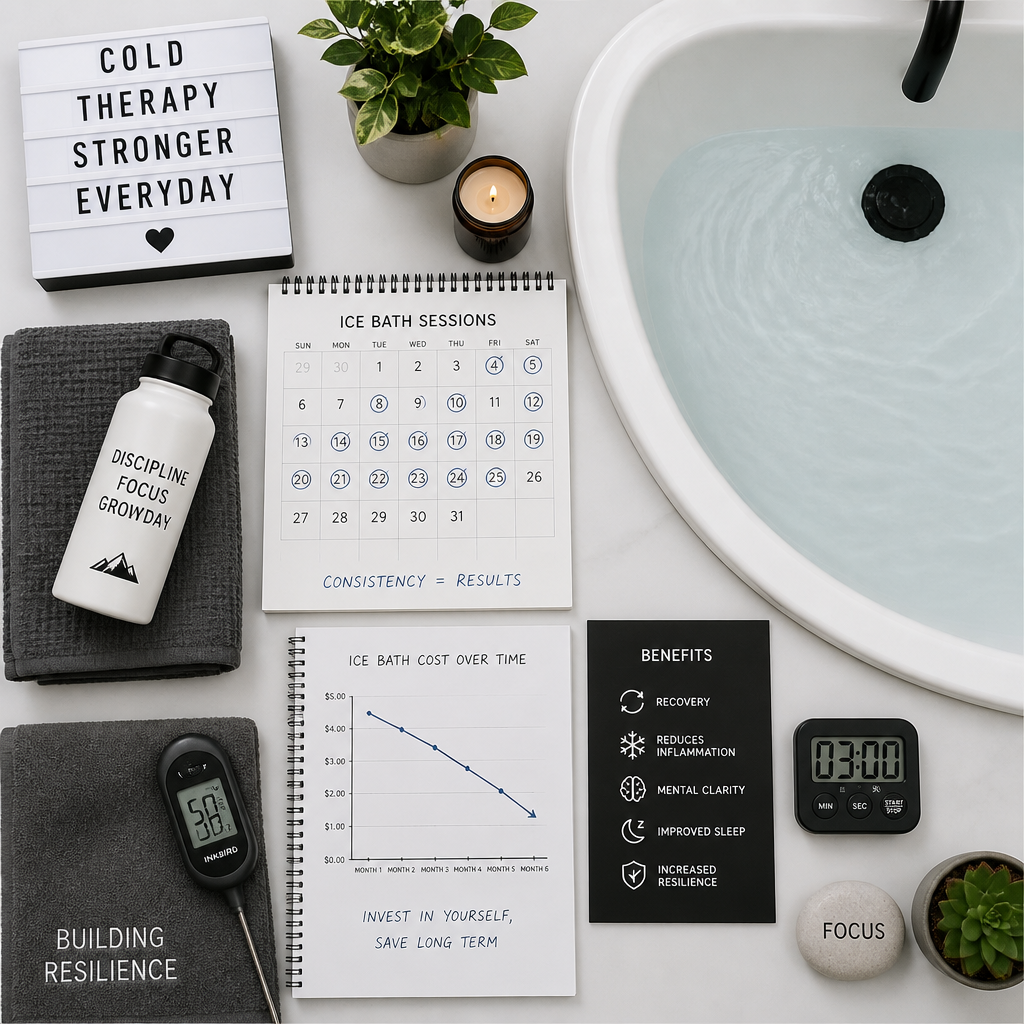
The most common argument against a chiller is the initial investment cost. It is a valid argument in the short term, but one that does not hold up to cost analysis over time for anyone who uses the tub regularly.
Consider the following scenario: a 400 to 500-liter tub typically requires between 15 and 25 kg of ice to reach the recovery temperature. If this costs on average 5 to 10 euros per session, depending on the type of ice and point of purchase, a practice of three sessions per week represents a considerable recurring cost over twelve months. Transport, time spent, and the irregularity of the practice are additional costs that are rarely accounted for.
A chiller's only recurring cost is electricity consumption. For 1000 to 1400W power models used a few hours per week, this cost is substantially lower than the cumulative cost of ice for a regular practice. The break-even point between the initial investment in the chiller and the savings compared to supermarket ice tends to be reached relatively quickly for those who plunge more than twice a week.
For commercial spaces like gyms, recovery centers, and hotels, the analysis is even clearer: the operating cost of ice at a scale of daily use and multiple users would simply make the supermarket model unviable.
Who Needs a Chiller Most
The simple answer: for anyone who wants to incorporate the ice bath as a regular practice, and not just as a one-time experience. But there are specific profiles for whom the decision is particularly obvious.
Athletes and fitness enthusiasts with structured routines
Runners, cyclists, triathletes, and strength training practitioners who train regularly need equally regular recovery. Cold immersion works best when integrated consistently into a training plan, not as an emergency resort after an exceptionally intense session. For this profile, the consistency a chiller offers is directly proportional to the quality of recovery.
Gym, studio, and clinic owners
Offering a recovery zone with an integrated chiller ice bath is now a real competitive differentiator in premium sports and wellness facilities. The alternative of supermarket ice in a commercial context is operationally unsustainable and visually unappealing to a demanding client.
Home users with a dedicated space
Those who have a recovery zone at home, whether in the garden, the garage, or a dedicated room, benefit immensely from having the tub ready at any time. With a cold bath chiller connected via app, just program the temperature in advance and the session happens without any additional preparation at the moment.
The Alaska Recover offers solutions for both contexts, from the Mini Chiller Alaska for individual use to the Chiller Boost for intensive use installations, all compatible with the Alaska PRO range of tubs.
Frequently Asked Questions
Does an ice bath chiller completely eliminate the need to buy ice?
Yes, a chiller properly sized for the volume of the tub completely eliminates the need to add ice. The refrigeration system provides all the cooling power needed to reach and maintain the programmed temperature, without any manual addition of ice.
What temperature should the water be for an effective ice bath?
The range most used in recovery protocols is between 8 °C and 15 °C for beginners and recreational users. Experienced athletes and more specific protocols often work between 3 °C and 10 °C. The important thing is to know the exact temperature and keep it stable during the session, something only a chiller can guarantee consistently.
How long does a chiller take to cool the tub water?
It depends on the chiller's power, the tub's volume, and the initial water temperature. A high-power chiller like the Chiller Boost Alaska (1400W) cools water faster than a compact model. For 400 to 500-liter tubs, the cooling time from ambient temperature to 10 °C can vary between 1 and 4 hours, depending on these variables. The practical solution is to program the chiller via app in advance.
Does the chiller keep the water clean between sessions?
Quality models include washable particulate filters and, in some cases, ozone or UV sterilization systems. These components significantly extend the life of the water and maintain proper hygienic conditions between sessions. Still, the water should be changed periodically according to the frequency of use, following the manufacturer's instructions.
What is the typical electrical consumption of an ice bath chiller?
It varies depending on the equipment's power and running time. A domestic chiller does not run continuously at full power: it reaches the set temperature and then maintains it with intermittent operating cycles. The actual consumption per session is substantially lower than the recurring cost of buying ice, especially for those who plunge several times a week.
Is a home ice bath chiller complicated to install?
No. Modern models are plug-and-play: they connect to the tub via flexible hoses and to a standard 220-240V power outlet. They do not require construction work or specialized installation. The initial setup typically takes less than 30 minutes, and from then on, the system is managed via an app or an integrated control panel.
Do you have experience with home ice baths, whether using supermarket ice or a chiller? Tell us about your routine and what most influenced your decision.
References
- Alaska Recover Guide: what is an ice bath and why do athletes use it
- Balness Spa: what is an ice bath for athletes and how to use it with a chiller
- Balness Spa: ice baths and muscle recovery, benefits and protocols
- Practical comparison between ice bags and chillers for cold immersion
- Example of compatibility between an ice bath and an electric chiller in Portugal