


You train hard, but the next day your muscles are on fire and your body just won't respond. Recovery has become your biggest obstacle, and passive rest is no longer enough. Contrast therapy, which consists of alternating between heat and cold exposure in a structured way, is one of the most physiologically sound recovery tools currently available. It’s not a trend. It is a technique used for centuries across different cultures, now backed by sports research and adopted by elite athletes, physiotherapy clinics, and top wellness centers worldwide.
Table of Contents
- Key Takeaways
- What is Contrast Therapy
- How It Works Physiologically
- Proven Recovery Benefits
- Step-by-Step Protocol: Sauna and Ice Bath
- Comparison of Methods: Which to Choose
- Common Mistakes and How to Avoid Them
- Who It’s For and When to Use It
- Frequently Asked Questions
- References
Key Takeaways
| Key Idea | Explanation |
|---|---|
| Heat dilates, cold constricts | Alternating between vasodilation and vasoconstriction creates a pumping effect that accelerates the removal of metabolic waste and delivers nutrients to muscle tissue. |
| Contrast therapy outperforms passive rest | A meta-analysis reported a standardized mean difference of -0.52 for reducing DOMS and -0.45 for creatine kinase clearance compared to passive rest. |
| Temperature matters more than duration | For the cold phase, water between 10 and 15°C is the most studied range. For the heat phase, a sauna between 80 and 90°C is the professional standard. |
| Ending on cold is a choice, not a rule | Ending on cold reduces acute inflammation and increases alertness. Ending on heat is preferable when the goal is relaxation and joint mobility. |
| 2 to 3 cycles per session is the effective range | Most established protocols range between two and three full cycles. Anything more yields diminishing returns and increases the risk of hypothermia or cardiovascular stress. |
| Lymphatic drainage is underestimated | The lymphatic system lacks its own pump. The rhythmic pressure changes caused by vasoconstriction and vasodilation move lymph mechanically, something ice or sauna alone cannot replicate as effectively. |
| Do not use immediately after strength training for hypertrophy | If the goal is muscle gain, cold water immersion immediately after strength training can blunt anabolic signaling. Waiting at least 4 hours is advisable in such cases. |
What is Contrast Therapy
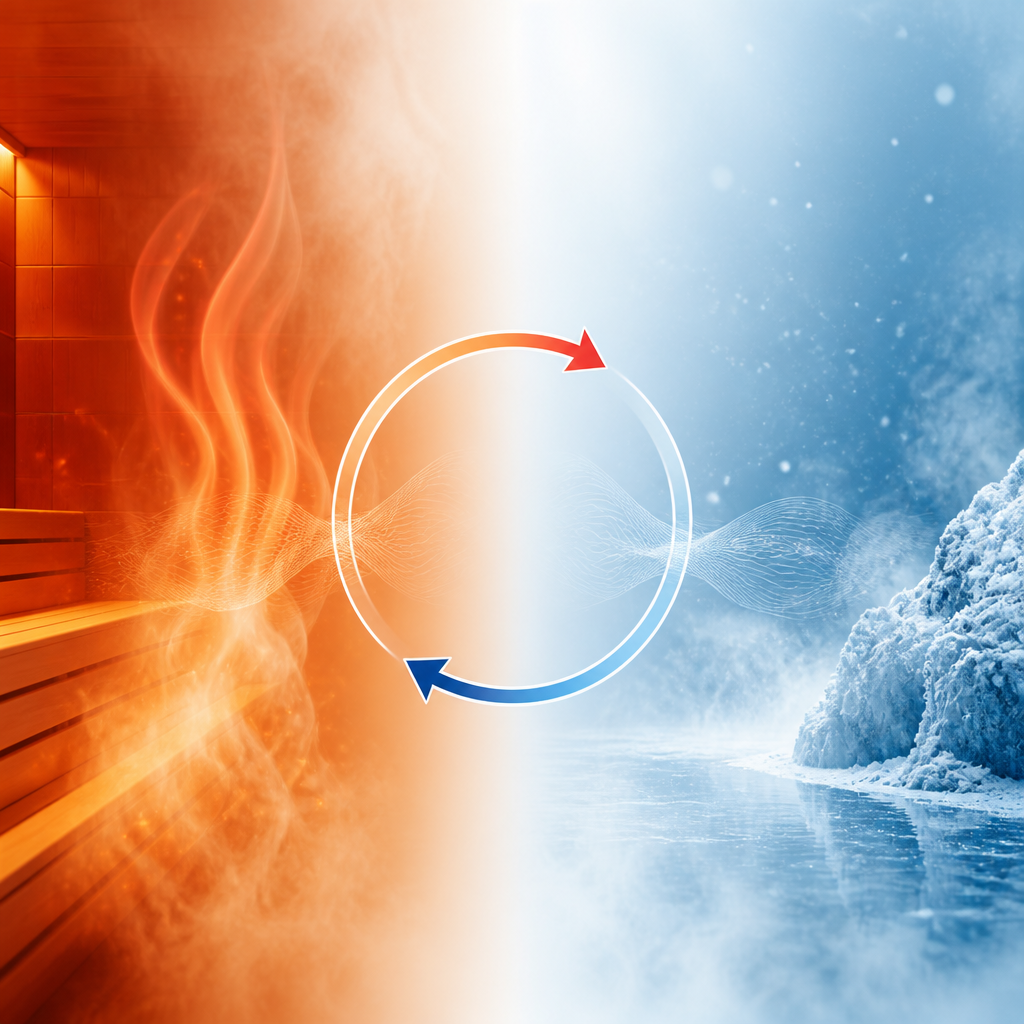
Contrast therapy is a recovery technique that involves alternating between heat and cold exposure in a deliberate and structured manner. Its history dates back to ancient civilizations, such as Greece and Rome, where hot and cold baths were used to treat various health conditions. In the 19th century, it was formalized as a therapeutic method within the context of hydrotherapy, and it has since evolved to include modalities such as the Finnish sauna, ice baths, cold plunges, and temperature-controlled chillers.
The most common form today is the combination of sauna and ice bath: the user is exposed to high heat for several minutes, followed by cold water immersion, repeating the cycle two to three times. However, contrast therapy can also be performed with hot and cold water baths, contrast showers, or any system that allows for alternating temperatures in a controlled way.
What distinguishes this technique from simply "taking a cold shower after a workout" is the structure, precise temperature, and cyclic repetition. Without these three elements, the physiological effects are substantially lower.
How It Works Physiologically
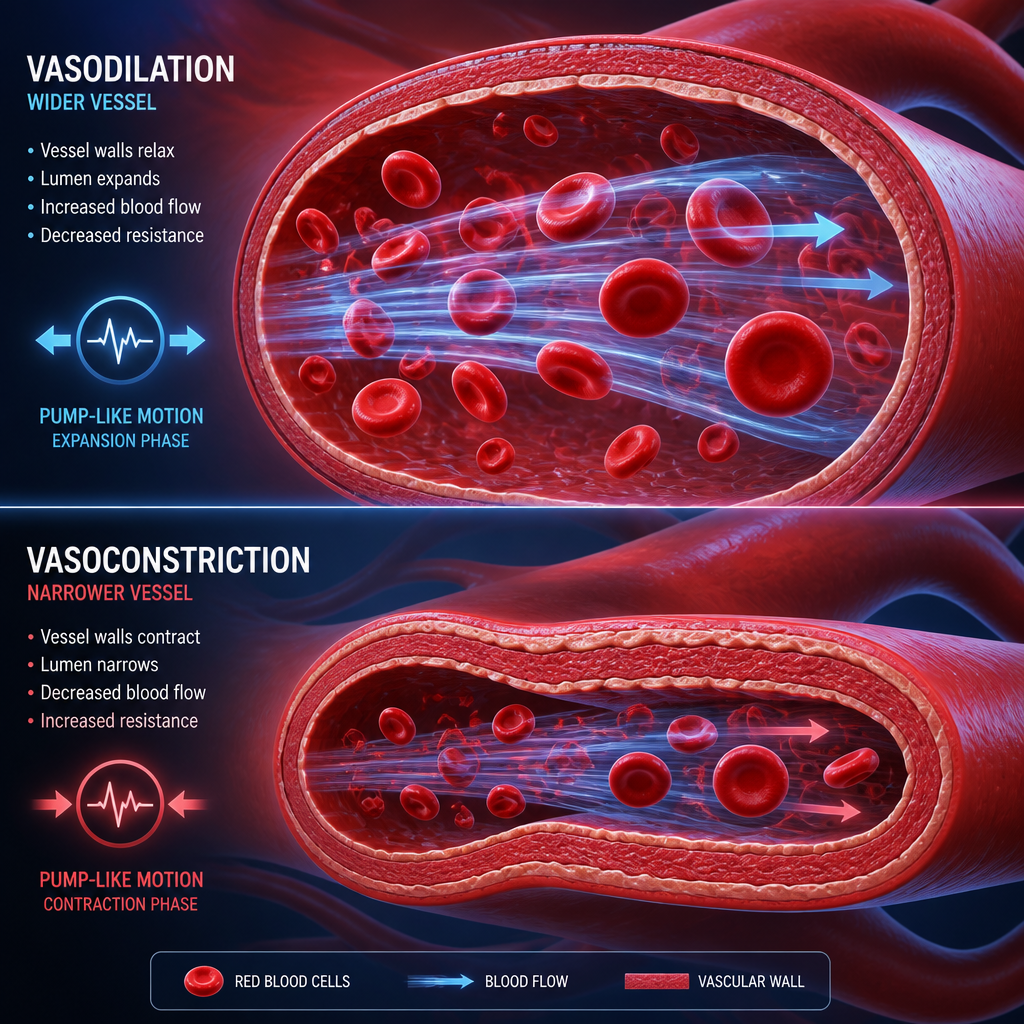
Contrast therapy activates two fundamental physiological processes: vasodilation, caused by heat, and vasoconstriction, caused by cold. When blood vessels dilate, blood flow increases, and tissues receive more oxygen and nutrients. When vessels constrict in response to cold, blood is pushed into the body's interior, and metabolic waste accumulated in the muscle is mechanically displaced.
The rhythmic alternation between these two states creates what researchers call a "vascular pumping effect." This mechanism removes metabolic waste, such as lactic acid and cellular debris from damaged tissue, more effectively than passive rest or cold alone.
The role of the lymphatic system
The lymphatic system, responsible for removing inflammatory fluids and cellular waste, does not have a central pump. It depends on muscle contraction, breathing, and external pressure variations to circulate. The rhythmic pressure changes caused by vasoconstriction and vasodilation during contrast therapy move lymph mechanically, even without active movement, which explains why many people describe a feeling of "lightness" in their legs after a session.
Hormonal and neurological response
Cold exposure triggers the release of norepinephrine, a neurotransmitter associated with alertness, focus, and positive mood. Heat, in turn, stimulates the production of heat shock proteins that aid in cellular repair. The combination of both stimuli creates a hormetic adaptation response, meaning the body becomes more resistant to physiological stress with repeated, controlled exposure.
"The combination of heat and cold creates physiological responses that neither modality can produce in isolation. It is the alternation that generates the effect."
Proven Recovery Benefits
The available evidence points to concrete benefits, especially in the context of sports recovery after intense exertion. A published meta-analysis compared different recovery strategies and concluded that contrast therapy presents clear advantages over passive rest, with a standardized mean difference of -0.52 for the reduction of delayed onset muscle soreness (DOMS) and -0.45 for creatine kinase clearance. These data indicate that the technique is not just perceived as effective; it has measurable results.
Another 2013 study on water-based contrast therapy reported DOMS reductions significantly superior to those obtained with cold water immersion alone, 24 and 48 hours after exercise. The point is not just "reducing pain," but returning to training faster and with higher quality.
Benefits for endurance athletes
For runners, cyclists, and triathletes who accumulate high training volume week after week, recovery between sessions is just as important as the training itself. Regular contrast therapy reduces systemic inflammation, improves sleep quality, and can contribute to better insulin sensitivity, which has direct implications for energy metabolism efficiency.
Benefits for gym-goers and wellness enthusiasts
For those who train for health, aesthetics, or general wellness, the benefits extend to subjective thermal comfort, reduced joint stiffness, and a greater sense of overall recovery. You don't need to be an elite athlete to benefit from this technique. You just need a protocol appropriate to your experience level and physical condition.
Step-by-Step Protocol: Sauna and Ice Bath
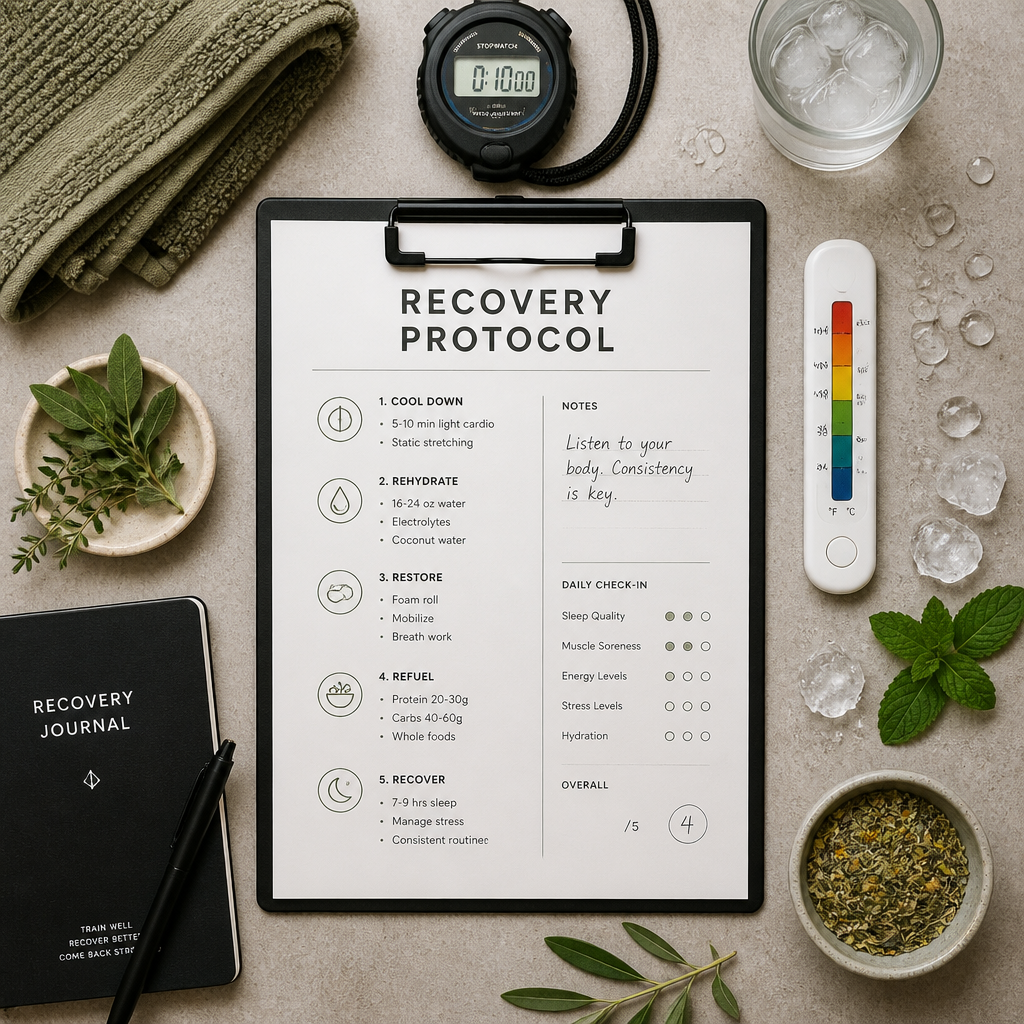
There is a temperature and duration range that works, and there are settings that produce no relevant effect. The protocol below is based on ranges most used in clinical and sports contexts, adapted to different levels of experience.
Protocol for beginners
If you have never done contrast therapy, start with moderate temperature differences and short durations. A safe progression is: 3 to 5 minutes in a hot environment (sauna at 70-80°C or hot bath at 38-40°C), followed by 1 to 2 minutes in cold water (between 15 and 20°C). Repeat the cycle twice. Never start in water below 15°C without prior adaptation.
Protocol for advanced users
Athletes and experienced users typically use cycles of 10 to 15 minutes in a sauna at 80-90°C, followed by 1 to 3 minutes of immersion in cold water at 10-15°C, repeating the cycle two to three times per session. The total weekly time in cold immersion recommended by several studies is between 11 and 15 minutes, spread across multiple sessions.
When to do the session
The ideal window for post-workout contrast therapy is within 1 to 2 hours after exertion, when inflammation is at its initial peak. For strength sessions aimed at hypertrophy, consider waiting at least 4 hours or performing the session the following day, as cold water immersion immediately after can interfere with anabolic signaling.
Tip: Always end the session on cold if the goal is DOMS recovery and inflammation reduction. If the goal is relaxation, mobility, or preparing for sleep, end on heat. There is no universal rule, just a conscious choice based on your goal.
Tip: Hydrate before and during the session. The sauna causes significant fluid loss through sweating. Entering an ice bath dehydrated unnecessarily increases cardiovascular stress. Plain water, sipped in small amounts, is sufficient.
Comparison of Methods: Which to Choose
There are three main approaches when it comes to alternating cold and heat for recovery. Each has distinct characteristics in terms of efficacy, accessibility, and practical applications.
| Method | Efficacy for DOMS | Best Application |
|---|---|---|
| Contrast Therapy (Sauna + Ice Bath) | High. Maximum vascular pumping effect, active lymphatic drainage, dual hormonal response. | Post-intense workout recovery, competitive athletes, professional wellness centers, home use with dedicated equipment. |
| Cold Water Immersion Only (CWI) | Moderate to high. Reduces acute inflammation, but without the active rewarming component. | Short-term recovery after high-intensity exercise when sauna or heat source access is unavailable. |
| Water Bath Contrast Therapy | Moderate. Effective especially for extremities. Less practical for the whole body. | Localized injuries in ankles, feet, or hands. Ideal in a physiotherapy or injury rehabilitation context. |
In practice, the combination of sauna and ice bath offers the most complete stimulus. It acts not only on the muscles and circulation but also engages the nervous system, mood, and the body's adaptive response to thermal stress. For those investing in a serious recovery system, such as a professional ice bath combined with a high-quality sauna, the functional return is substantially higher than that of a simple cold shower.
Common Mistakes and How to Avoid Them
Most people starting contrast therapy make the same mistakes, and those errors not only reduce efficacy but can be counterproductive or dangerous.
Temperature too extreme from the start
Plunging into 4°C water without prior adaptation is no more effective than doing so at 12°C, especially for beginners. Excessive thermal shock can trigger a disproportionate acute stress response. Progressive adaptation is not weakness; it is physiological intelligence.
Sessions too long
More cold immersion time does not mean more benefit. Studies suggest that the best results for recovery are obtained with 11 to 15 minutes of cold immersion in total, divided into 1-to-3-minute cycles. Staying in 10°C water for 20 minutes at once increases the risk of hypothermia and offers no added advantage for DOMS.
Using the technique after hypertrophy strength training indiscriminately
This is the most subtle error. Contrast therapy reduces inflammation, and some of that inflammation is necessary for muscle adaptation signals. If your goal is exclusively muscle mass gain, cold water immersion immediately after strength training may attenuate that process. Use the technique with discretion, not as an automatic routine after every session.
Ignoring medical conditions
People with uncontrolled high blood pressure, cardiovascular disease, Raynaud's phenomenon, or those recovering from surgery should consult a healthcare professional before starting any thermal contrast protocol. Sudden temperature changes have real cardiovascular effects and should not be ignored.
Who It’s For and When to Use It
Contrast therapy is not just for elite athletes. Its versatility makes it suitable for a very wide range of profiles, provided the protocol is adjusted to each person's physical condition and goals.
Endurance athletes like runners, cyclists, and triathletes especially benefit from this technique during high training load periods, where recovery between sessions is critical. Gym-goers who train 3 to 5 times a week and feel muscle stiffness or accumulated fatigue find contrast therapy to be a practical and effective solution. Gyms, clinics, and hotels that want to offer a differentiating recovery experience to their clients find that combining a professional ice bath and sauna is one of the most sought-after features in the European premium wellness market today.
For home users, solutions such as portable ice baths with an integrated temperature chiller, combined with an infrared sauna, allow one to replicate at home the same protocols used by athletes and high-performance centers, without sacrificing comfort, design, or ease of use.
Frequently Asked Questions
What is the ideal water temperature for the cold phase in contrast therapy?
The most studied and recommended range for the cold phase is between 10 and 15°C. This temperature causes effective vasoconstriction without the risk of severe thermal shock. For beginners, starting between 15 and 20°C is safer and equally effective for beginning to adapt the body.
How many cycles should I do per session?
Two to three full cycles per session is the effective range for the vast majority of people. A full cycle consists of a hot phase followed by a cold phase. More than three cycles yields diminishing returns and increases physiological stress without additional relevant benefit.
Can I do contrast therapy every day?
It is neither necessary nor advisable to do so daily. Two to three sessions per week, preferably after the most intense training sessions, is sufficient to obtain consistent recovery benefits. The body also needs time to integrate physiological adaptations between sessions.
Does contrast therapy hinder muscle gain?
Cold water immersion immediately after strength training can attenuate the anabolic signals necessary for muscle growth. If your main goal is hypertrophy, avoid the intense cold phase for two to four hours following strength training. If the goal is general recovery or performance, the benefits outweigh this limitation.
What is the difference between contrast therapy and cryotherapy?
Cryotherapy refers specifically to cold exposure, whether it be cold water immersion, localized ice, or cold air cryotherapy chambers. Contrast therapy necessarily involves alternating between heat and cold. They are complementary but distinct techniques: contrast therapy activates the vascular pumping effect through alternation, which isolated cryotherapy cannot replicate.
Do I need professional equipment to do contrast therapy at home?
It is not mandatory, but it makes a difference. A shower alternating between hot and cold is a basic way to start. For results comparable to those of a professional center, an ice bath with a temperature-controlled chiller combined with a sauna allows you to replicate the exact temperature and duration parameters that research supports. Temperature precision is the factor that most differentiates an effective protocol from one that is merely symbolic.
Does contrast therapy help with injury recovery?
Yes, especially for soft tissue injuries and injuries to the extremities. The alternation between vasoconstriction and vasodilation reduces edema, improves local circulation, and can accelerate functional recovery. However, for acute injuries in the first 24 to 48 hours, always consult a physiotherapist or doctor before starting any temperature protocol.
Have you tried contrast therapy in your recovery routine? Share your experience in the comments, including the protocol you use and the results you have observed.
References
- Meta-analysis on contrast therapy and reduction of DOMS and creatine kinase compared to passive rest
- Recovery guide with contrast therapy for endurance athletes
- The science behind contrast therapy: vasodilation, vasoconstriction, and metabolic effects
- Systematic review and meta-analysis on cold water immersion and combined post-exercise recovery protocols
- What is contrast therapy and how does it impact physical recovery and performance