


Most athletes train well. Few recover well. And it is precisely this shortcoming that hinders progress, accumulates fatigue, and increases the risk of injury. A structured weekly recovery routine with ice baths and saunas is not a luxury for elite professionals. It is an accessible practice that any active person can integrate at home or at the gym, with measurable results in performance, sleep, and general well-being. In this guide, we show you how to build this routine from scratch, with concrete protocols for every day of the week and for different training volumes.
Table of Contents
- Why recovery is the most ignored training
- What science says about ice baths and saunas
- Contrast therapy: the protocol that works
- How to structure your weekly routine
- Comparison of recovery approaches
- Most common mistakes and how to avoid them
- Equipment to start at home
- Frequently Asked Questions
- References
Why recovery is the most ignored training
There is a widespread belief that more training equals more results. In practice, what produces adaptation is not the isolated stimulus. It is the sequence: stimulus, recovery, adaptation. When recovery fails, the cycle breaks.
The problem is not a lack of effort. It is a lack of structure. Most people who train regularly, whether they are runners, triathletes, bodybuilders, or fitness enthusiasts, do not have a concrete athlete recovery plan for the week. They rest by accident, not by intention.
Integrating ice baths and saunas into a weekly routine solves this with an active and deliberate approach, where each recovery session has a purpose and the right time to happen.
What science says about ice baths and saunas
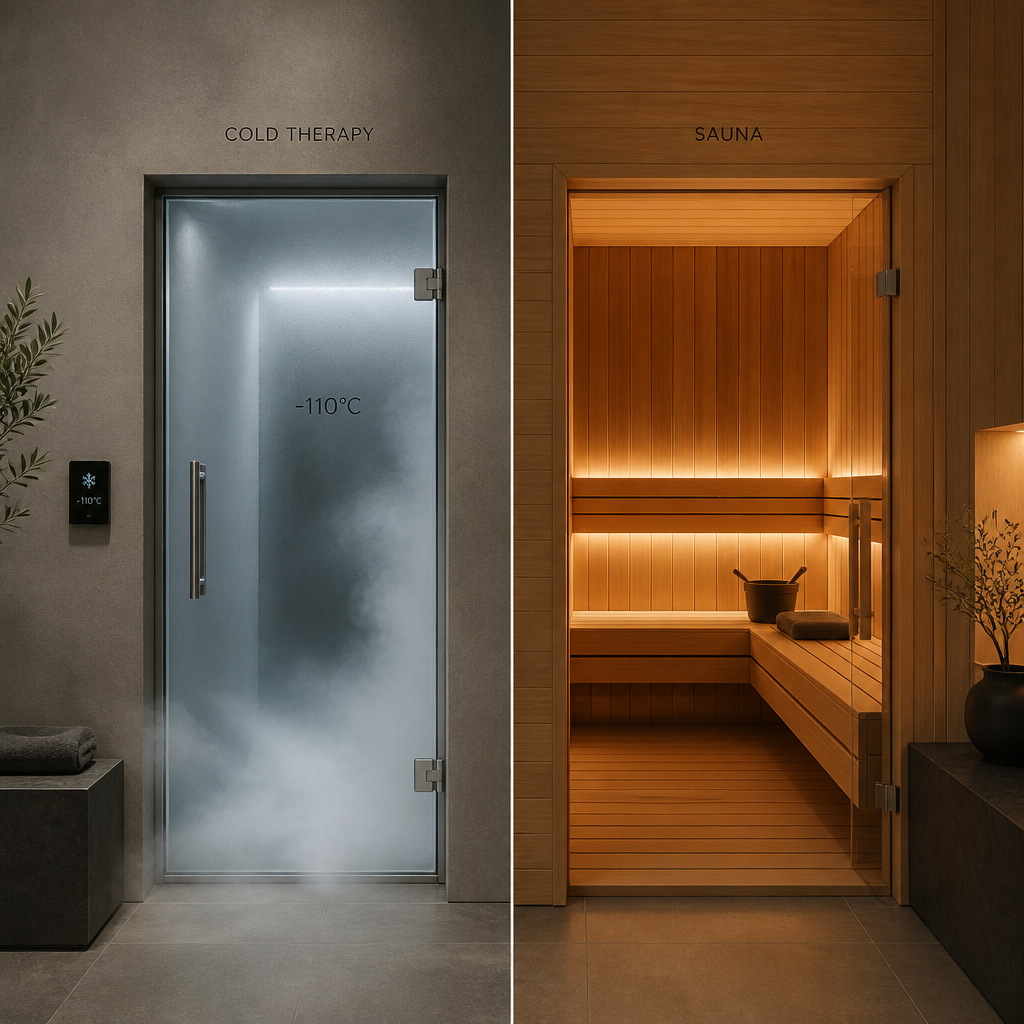
The physiological mechanisms behind ice baths and saunas are distinct and complementary. Understanding how each acts on the body is essential to using both intelligently.
Ice bath: what happens when you enter cold water
When the body comes into contact with cold water, the blood vessels near the skin immediately constrict, redirecting blood to vital organs. This vasoconstriction reduces localized edema and slows the acute inflammatory response after intense physical exertion. Ice baths have been shown, in various studies, to reduce delayed onset muscle soreness (DOMS) and perceived fatigue after high-intensity exercise.
There is also a relevant neurological effect. Exposure to cold causes a significant release of norepinephrine and dopamine, neurotransmitters associated with focus, motivation, and mood improvement. This effect persists for hours after leaving the water.
Sauna: what heat does to the muscle and nervous system
The sauna acts in the opposite but equally powerful way. Saunas have been shown to improve cardiovascular health, while intense heat promotes vasodilation, relaxes the muscles, and stimulates the production of heat shock proteins, which aid in cellular repair. From the perspective of the nervous system, the sauna activates the parasympathetic system, the "rest and digest" state, which favors deep recovery and sleep quality when used at the end of the day.
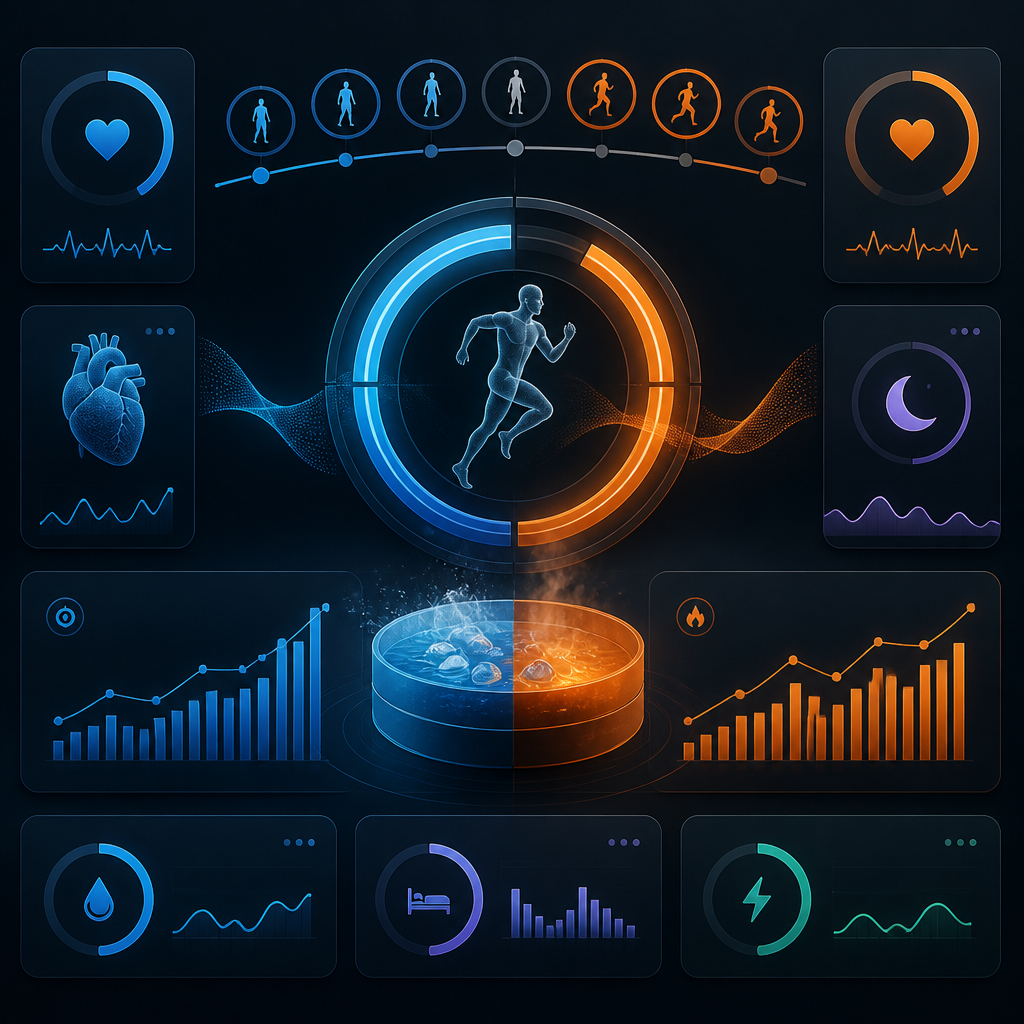
The power of contrast therapy is not in the cold or heat in isolation. It is in the transition between the two. It is this repeated vascular stimulus that trains the circulatory system and accelerates recovery.
Contrast therapy: the protocol that works
Contrast therapy consists of alternating exposures to heat and cold in a deliberate and repeated manner. It is not a recent fad. Greek and Roman civilizations used hot baths followed by cold plunges. Scandinavians have practiced going from the sauna into the snow for centuries. What modern research has added is the precision of the protocol.
The correct sequence
The standard protocol always starts with heat. A 10 to 15-minute sauna session, followed by 1 to 3 minutes in an ice bath or cold plunge, repeated in 3 to 4 cycles. The rapid alternation between vasodilation and vasoconstriction creates a circulatory "pump" effect that improves the delivery of oxygen and nutrients to tissues and facilitates the removal of metabolic waste.
As for the end of the session, the choice depends on the goal. Finishing in the cold keeps the nervous system activated and is ideal for morning sessions or before demanding mental work. Finishing in the heat promotes muscle relaxation, slightly raises body temperature, and induces subsequent sleepiness, making it ideal for nighttime recovery. For end-of-day sessions, the recommendation is to finish in the sauna at least 2 to 3 hours before bed.
Tip: If you are starting with contrast therapy, begin with 2 cycles instead of 4 and increase progressively over 2 to 3 weeks. The body needs time to adapt to sudden changes in temperature.
Recommended temperatures
The sauna should be between 80°C and 90°C to activate an effective thermal stress response. The ice bath or cold plunge should be between 10°C and 15°C to produce significant vasoconstriction without unnecessary risk. Temperatures below 8°C are unnecessary for most people and increase discomfort without proven additional benefit.
How to structure your weekly routine
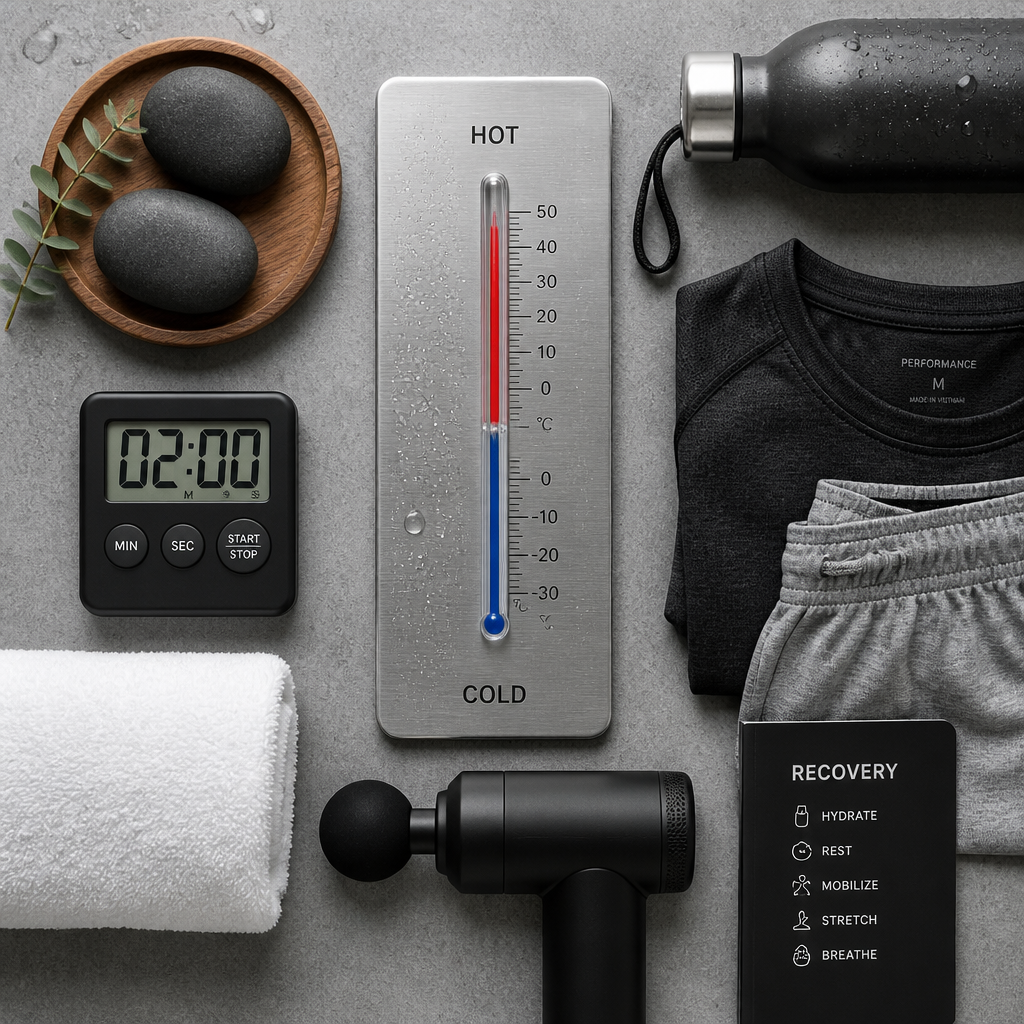
An effective wellness routine with ice baths and saunas does not require you to use both every day. It requires you to use them on the right days, for the right reasons. The following plan works for someone who trains between 4 to 6 days a week, whether it's running, cycling, bodybuilding, or functional training.
Monday: activation after Sunday rest
Many people feel heavy on Mondays after a completely sedentary Sunday. A short 2 to 3-minute morning ice bath, without sauna, activates circulation and the release of dopamine without creating additional fatigue. Save the sauna for after that day's training.
Tuesday and Wednesday: days of intense training
On days of higher volume or intensity, the ideal is to finish with a 5 to 10-minute ice bath within 30 to 60 minutes after training to control acute inflammation and reduce DOMS. If training is in the morning, the sauna can be used at the end of the day as a standalone 15 to 20-minute session, favoring muscle relaxation and sleep quality.
Thursday: active recovery day with full contrast therapy
This is the ideal day for a full contrast therapy session: 3 to 4 cycles of sauna followed by ice bath. Combine with light mobility or stretching. This session should not be seen as passive rest. It is active recovery with a structured effect on the circulatory and nervous systems.
Friday: training and post-exertion ice bath
Repeat the Tuesday and Wednesday protocol. If the training is strength-based and the volume is high, you can extend the cold immersion to 10 minutes. Hydrate well before and after the session.
Saturday: long training or competition day
After long workouts, such as long-distance runs or cycling sessions over 90 minutes, the ice bath is especially effective for early recovery. Many athletes use the technique after intense training sessions or competitions, combining immersion with increased hydration and recovery nutrition in the following hours.
Sunday: sauna as a passive recovery ritual
Sunday is the day for the sauna alone, without an ice bath. A 15 to 20-minute session with moderate heat, focusing on breathing and active disconnection. We recommend 3 to 5 sauna sessions per week to maximize the benefits of muscle relaxation and recovery. On a total rest day, a sauna session in the late afternoon is sufficient and prepares the nervous system for a new week of training.
Tip: Do not use an ice bath immediately after a sauna on passive recovery days if the goal is deep relaxation. Finishing in the heat is deliberately more effective for that purpose.
Comparison of recovery approaches
Not all recovery tools have the same impact. Understanding the practical differences helps you decide how to allocate the time and resources available during the week.
| Approach | Main Benefit | Best Time to Use |
|---|---|---|
| Isolated ice bath (5 to 10 min, 10°C to 15°C) | Reduction of DOMS and acute post-workout inflammation; dopamine and norepinephrine release | Up to 60 minutes after intense training or competition |
| Isolated sauna (15 to 20 min, 80°C to 90°C) | Deep muscle relaxation, cardiovascular improvement, and sleep quality | At the end of the day, especially on moderate training or rest days |
| Contrast therapy (3 to 4 cycles sauna + ice bath) | Circulatory pump effect, accelerated recovery, nervous system balance | The day after very intense training or as an active recovery standalone session |
Most common mistakes and how to avoid them
Cold and heat therapy work when practiced with consistency and common sense. The most frequent mistakes are not in the equipment. They are in the decisions of those who use them.
Using an ice bath immediately after strength training aimed at hypertrophy
This is the most debated error in the fitness community. When the primary goal is muscle hypertrophy, an ice bath immediately after strength training can attenuate the anabolic signal that triggers muscle growth. In this specific context, wait at least 4 to 6 hours between strength training and cold immersion, or reserve the ice bath for aerobic or recovery training days.
Starting with temperatures that are too low
Many people get into 5°C water in the first week and abandon the practice because it is too uncomfortable. The ideal entry temperature is between 12°C and 15°C. The body habituates progressively, and physiological efficacy does not depend on extreme temperatures. Controlled discomfort is different from unnecessary suffering.
Not rewarming correctly after an ice bath
Getting out of an ice bath and standing still does not help. After immersion, gradual rewarming is recommended, which can include light movement, a warm towel, or a progressive lukewarm shower. Do not jump immediately into an intense heat source right after getting out of cold water, as this reduces the metabolic impact of cold exposure.
Dehydration before sauna
Sauna induces significant sweating. Entering dehydrated increases the risk of dizziness and decreases session performance. Drink at least 500 ml of water in the 30 to 60 minutes before and replenish fluids after leaving. Hydration is essential to ensure a safe and effective experience, especially after demanding workouts.
Equipment to start at home
The good news is that you don't need a dedicated spa to have an effective weekly recovery routine. There is equipment developed specifically for home use that delivers results identical to professional facilities.
For ice baths at home, options range from portable tubs to systems integrated with a chiller. Portable tubs are the most accessible entry point: simple installation, no construction, and sufficient for those who practice immersion 3 to 5 times per week. Systems with an integrated chiller, such as those available in the Alaska Recover ice bath collection, eliminate the need to buy ice regularly and maintain a constant temperature with precision, which is decisive for those following strict protocols. For home saunas, the main criterion is the available space and the type of preferred heat: dry or infrared. Alaska Recover saunas are designed for private residences, with a compact design and accessible assembly without the need for specialized installation.
For those who want to go further and install a complete contrast therapy station at home or in a commercial space, the combination of a water chiller with a quality sauna is the setup that most closely resembles what elite athletes use daily. Alaska Recover also offers water chillers compatible with different tub models, allowing you to customize the system according to space and goals.
Frequently Asked Questions
How many times a week should I do an ice bath?
For most athletes and fitness practitioners, 3 to 4 ice bath sessions per week are enough to obtain consistent benefits for muscle recovery and general well-being. It is not necessary to do it every day. What matters is that the sessions are aligned with the days of greatest physical effort.
Can I do sauna and ice bath on the same day I train?
Yes, and that is exactly what is recommended on intense training days. The ice bath should be done in the first few hours after training to control acute inflammation. The sauna can be used later, at the end of the day, as a relaxation and sleep preparation tool. Do not mix the two immediately after strength training if the goal is hypertrophy.
What is the ideal temperature for an ice bath?
For effective sports recovery, the ideal temperature is between 10°C and 15°C. Lower temperatures do not necessarily translate to better physiological results and increase the risk of extreme discomfort, especially for those who are just starting. With an integrated chiller, it is possible to set and maintain the exact temperature effortlessly.
How long should I stay in the sauna?
A 15 to 20-minute session is the recommended interval for most people, with the temperature between 80°C and 90°C. Beginners should start with 2 to 3 shorter sessions per week, between 8 to 12 minutes, and increase progressively. The goal is to create a thermal stimulus, not an endurance test.
Is contrast therapy indicated for everyone?
Contrast therapy is safe for most healthy people. However, those with cardiovascular problems, uncontrolled hypertension, or circulatory diseases should consult a doctor before starting any cold or heat protocol. The same precaution applies to pregnant women and people with relevant pre-existing medical conditions.
Do I need ice for an effective home ice bath?
Not necessarily. Tubs with an integrated chiller maintain the water at the desired temperature continuously, without the need to add ice. This is the most practical solution for those who practice regularly, as it eliminates the cost and logistics of buying ice frequently and ensures consistency in the protocol.
Does an ice bath after training affect muscle growth?
This is a topic with important nuance. The available evidence suggests that an ice bath immediately after strength training can partially attenuate the protein synthesis response. Therefore, during training phases focused on muscle mass gain, it is advisable to space out the ice bath from strength training, or reserve it for after aerobic sessions. During maintenance, performance, or competition recovery phases, the impact is irrelevant compared to the benefits.
Do you already have a recovery routine with an ice bath or sauna? Share your experience in the comments and tell us what works best for you.
References
- Sauna and ice bath: how contrast therapy works and its benefits
- Ice bath for muscle recovery: practical guide for athletes
- How to do contrast therapy with sauna and ice bath: protocol and correct order
- Contrast therapy: heat and cold protocol for recovery and circulation
- Benefits of sauna and contrast therapy for athletes and fitness enthusiasts