


Most people train with consistency but neglect recovery. The result is predictable: persistent muscle pain, stagnant performance, and flagging motivation. Creating a home recovery routine with an ice bath and a home sauna is not a luxury reserved for professional athletes. It is a practical decision with concrete protocols and documented benefits, accessible to anyone who trains seriously and wants to get more out of every session. This guide explains exactly how to structure that routine, the correct sequence, how much time to dedicate to each phase, and which mistakes to avoid from day one.
Table of Contents
- What is contrast therapy and why does it work
- Home ice bath: real benefits and honest limitations
- Home sauna: how heat accelerates recovery
- Complete protocol: how to structure your routine week by week
- Comparison of home recovery approaches
- The most common mistakes and how to avoid them
- Necessary equipment: what you really need to get started
- Frequently Asked Questions
- References
What is contrast therapy and why does it work
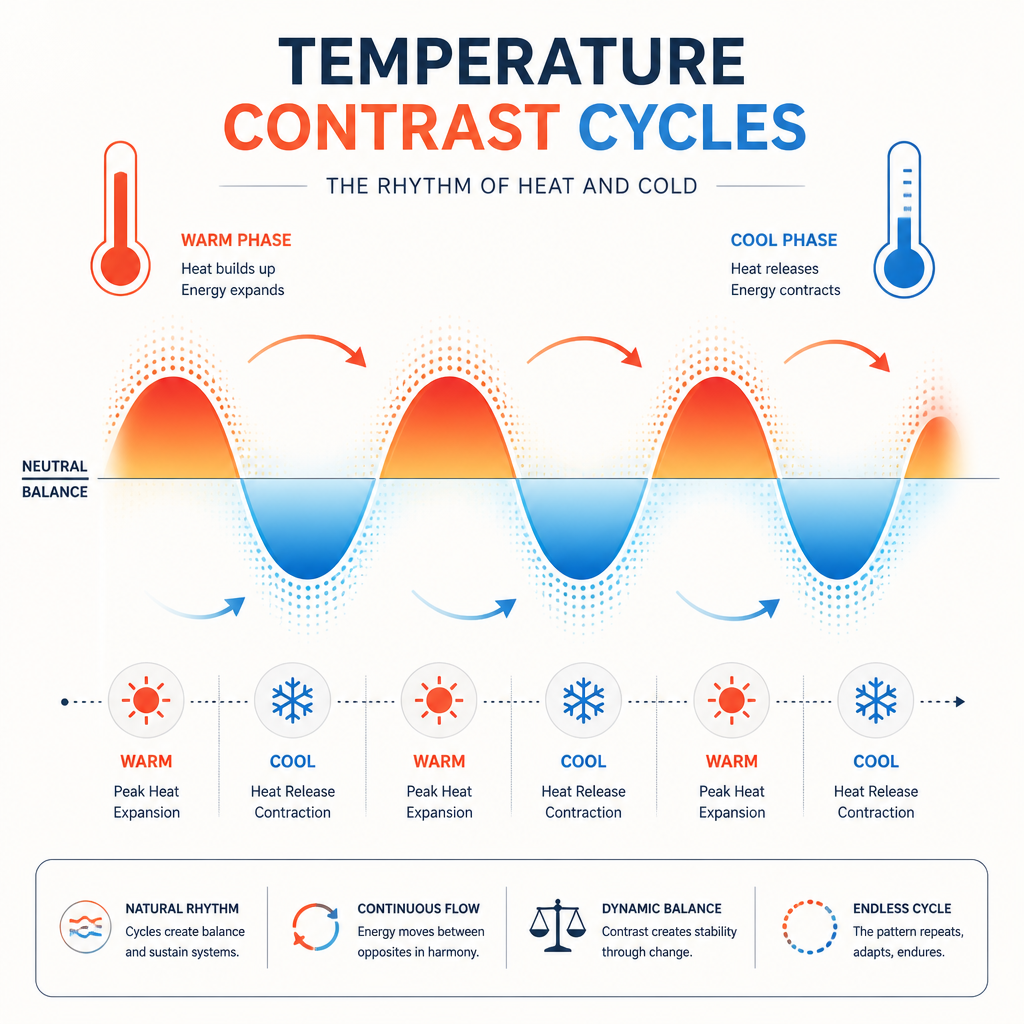
Contrast therapy consists of deliberately alternating between heat exposure and cold exposure in repeated cycles. The central mechanism is straightforward: heat dilates blood vessels, cold constricts them, and this alternation acts as a pump for circulation. The accelerated flow removes metabolic waste from muscles and delivers nutrients and oxygen more efficiently.
This is not a new technique. Its use dates back to ancient civilizations like Greece and Rome, where hot and cold baths were used to treat various conditions. In modern times, it has become especially popular in the athletic community for reducing inflammation and pain, typically in the form of a few minutes in a sauna followed by an ice bath immersion.
"Saunas and ice baths are great tools for both recovery and general health, but science supports the benefits when protocols are applied with consistency and within safe parameters."
The most common mistake is to view each modality in isolation. The sauna alone brings benefits; the ice bath alone does too. But when combined in sequence, with the correct order and the right timing, the impact on athletic recovery and overall well-being is substantially greater.
Home ice bath: real benefits and honest limitations
A home ice bath reduces delayed onset muscle soreness (DOMS), decreases localized inflammation, and accelerates recovery between training sessions. For those who train with high frequency, such as triathletes, long-distance runners, or CrossFit practitioners, this ability to restore physical readiness in less time has a direct impact on the quality of subsequent workouts.
Ideal temperature and duration
The temperature range best tolerated by most people that produces concrete results is between 10°C and 15°C, with sessions of 10 to 15 minutes. Temperatures below 10°C should be reserved for users with accumulated experience, and even then, with shorter exposures. For beginners, a brief exposure of about three minutes can already help improve mood and reduce inflammation.
Timing also matters. If the goal is endurance performance, the ice bath can be done immediately after training. If the goal is muscle hypertrophy, it is worth waiting a few hours before entering cold water, as the cold can interfere with the inflammatory signals necessary for muscle adaptation to strength efforts.
Tip: Use a temperature-controlled chiller, such as those available at Alaska Recover, to keep the water always at the right temperature without relying on store-bought ice. Stable temperature is more effective and safer than sharp fluctuations caused by melting ice.
Mental benefits that should not be underestimated
Beyond the physical impact, cold water immersion has a documented effect on emotional regulation and mental alertness. Cold exposure activates the sympathetic nervous system, releases norepinephrine, and creates a state of focus that many athletes describe as post-plunge mental clarity. This benefit is real and consistent, even with short sessions.
Home sauna: how heat accelerates recovery
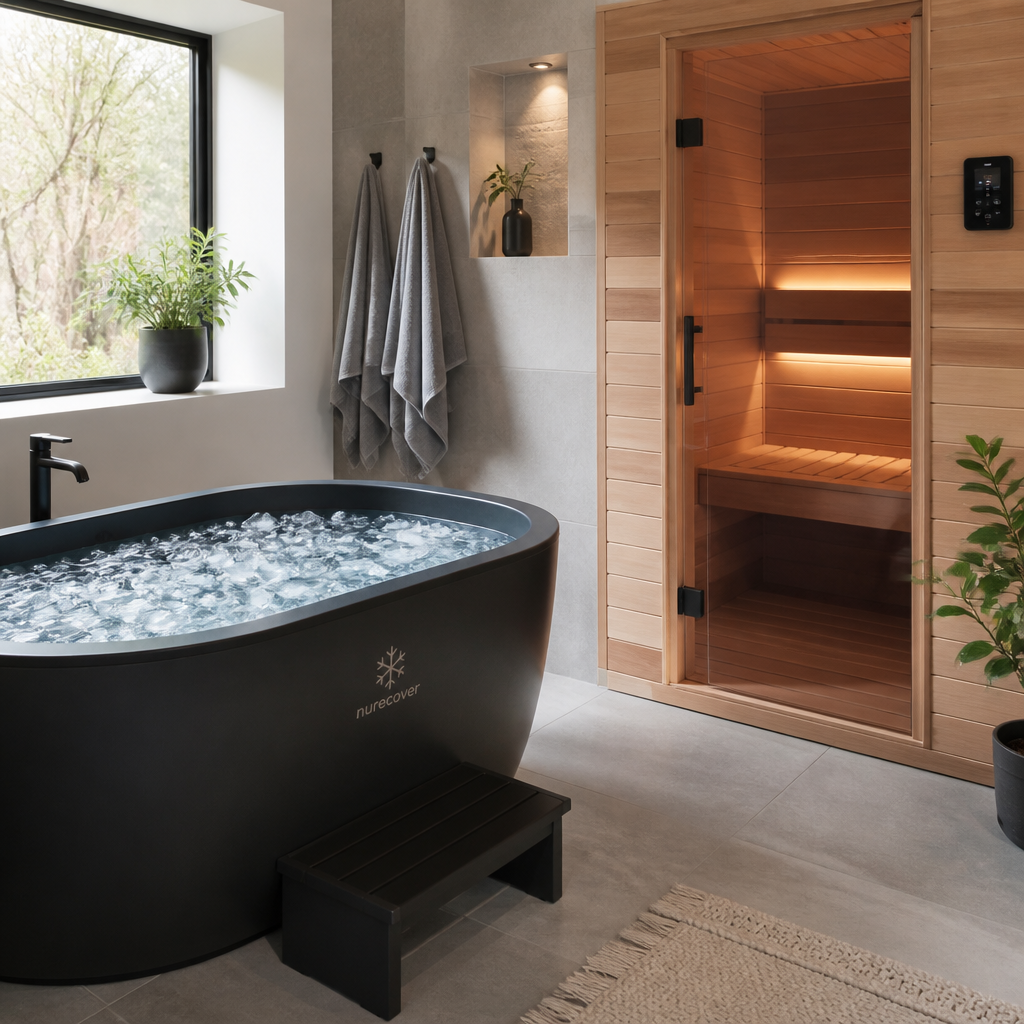
The home sauna acts through a mechanism opposite to cold but equally powerful. Heat raises body temperature, dilates blood vessels, and accelerates the removal of metabolic waste, including lactic acid accumulated during exercise. In parallel, it stimulates the release of endorphins, creating a sense of deep relaxation that complements the physical effort of training.
Finnish sauna versus infrared sauna: which one to choose
The classic Finnish sauna operates between 70°C and 100°C, with low humidity, and promotes intense sweating that stimulates thermoregulation. The infrared sauna operates at lower temperatures, between 49°C and 60°C, using infrared light to heat the body directly rather than heating the ambient air. Studies have shown that this temperature range can promote muscle recovery, improve circulation, and reduce inflammation, with the added benefit of allowing for longer sessions.
In practice, for athletic recovery, either one works. The choice depends on available space, budget, and personal tolerance to intense heat. For home use, the infrared sauna has the advantage of being more compact, easier to install, and reaching operating temperature more quickly.
Recommended frequency and duration
For those who train regularly, the general recommendation is to use the sauna two to three times per week, with sessions of 10 to 20 minutes. This interval is sufficient to obtain cardiovascular and muscle recovery benefits without overloading the system. It is essential to maintain good hydration before and after each session.
Tip: Never enter the sauna while fasting for an extended period or immediately after a heavy meal. The ideal period is 60 to 90 minutes after eating, when digestion is sufficiently advanced but energy is still available to support the thermal effort.
Complete protocol: how to structure your routine week by week
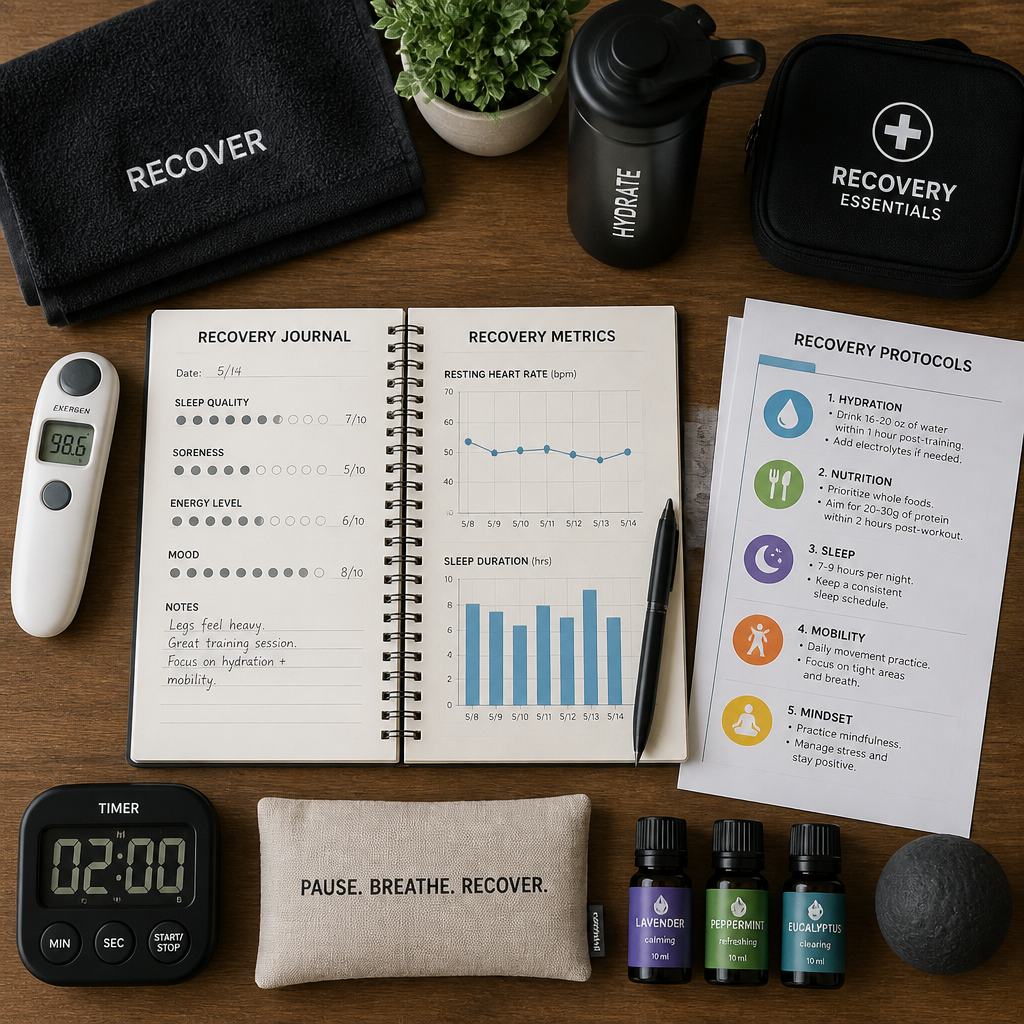
An effective recovery routine is not a random sequence of cold and heat sessions. It has a structure, a logic of progression, and integration with your training calendar. Here is a practical protocol to implement at home.
Contrast therapy protocol per session
The most effective sequence always starts with heat. Begin with a warm-up in the sauna for 10 to 15 minutes, followed by an ice bath immersion for 1 to 3 minutes. This cycle is repeated 3 to 4 times, ending with a rest period of 5 to 10 minutes. The golden rule is simple: heat opens blood vessels, cold closes them, and it is this alternation that constitutes the recovery mechanism.
Ending on the cold phase is indicated for those returning to activities requiring mental or physical focus. Ending on the hot phase is better for evening sessions, when the goal is to relax and prepare for sleep.
Integration with the training calendar
On days of intense training, the recovery session should take place within the two-hour window following exertion. On active recovery days, an isolated sauna session of 15 to 20 minutes is sufficient to maintain circulatory benefits without adding stress to the system. On days before competitions or events, avoid prolonged ice baths, as they may reduce the neuromuscular activation you need to perform at your best.
A realistic weekly distribution for an amateur athlete with 4 to 5 workouts per week could be: full contrast therapy on 2 heavy training days, isolated sauna on 1 active recovery day, and complete rest for the remainder.
Comparison of home recovery approaches
There are several ways to structure recovery at home, and each approach has concrete advantages and limitations. The following table compares the three most common options for those who want to go beyond passive rest.
| Approach | Strengths | Limitations |
|---|---|---|
| Ice bath with chiller (e.g., Alaska Recover) | Precisely controlled temperature, no ice required, repeated use with no additional costs, compatible with contrast protocol | Higher initial investment, requires dedicated space |
| Home infrared sauna | Easy home installation, more accessible temperatures for beginners, documented cardiovascular and recovery benefits | Does not allow for isolated contrast therapy, electricity costs over time |
| Cold shower / bathtub with store-bought ice | Zero initial cost, immediately accessible, useful for testing cold tolerance | Inconsistent temperature, cost and logistics of ice, difficult to maintain a structured protocol |
In practice, the combination of an ice bath with a chiller and a home sauna is the most complete solution for those who take recovery seriously. The range of portable and professional tubs from Alaska Recover was designed precisely to integrate this type of routine in a home context, with app-based temperature controls and simplified maintenance.
The most common mistakes and how to avoid them
Those who start exploring cold and heat recovery often make the same mistakes. Identifying them before you start saves time and prevents frustration.
Entering the ice bath without gradual preparation
The most frequent beginner mistake is diving directly into 8°C water in the first session. The thermal shock can cause hyperventilation and, in extreme cases, temporary cardiac arrhythmias. The correct progression starts at higher temperatures, between 15°C and 16°C, and decreases gradually as tolerance increases. People with cardiovascular conditions, high blood pressure, or who are pregnant should obtain medical clearance before starting any extreme temperature protocol.
Using the ice bath immediately after strength training
Cold immersion right after muscle hypertrophy training can reduce long-term strength adaptations because it suppresses the inflammatory processes necessary for muscle growth. The solution is simple: wait at least 4 to 6 hours between strength training and the ice bath, or reserve cold immersion for days that do not include muscle resistance training.
Ignoring hydration before and after sessions
The sauna causes significant fluid loss through sweating. Entering dehydrated is a mistake that compromises both the safety and effectiveness of the session. Drink at least 500 ml of water before each sauna session and repeat after finishing. The ice bath also activates physiological responses that affect blood pressure, so maintaining good hydration is equally relevant.
Necessary equipment: what you really need to get started
You don't need a huge space or a professional spa investment to create a functional home recovery routine. The essentials fall into two categories: the cold source and the heat source.
For the cold: portable tub or system integrated with a chiller
A quality portable ice tub is the most accessible entry point. For a higher level of control and consistency, an integrated system with a chiller—which maintains the water at the set temperature automatically and continuously—eliminates dependence on store-bought ice and allows for structured sessions without additional logistics. Alaska Recover offers options ranging from portable tubs for individual use to professional 500-liter systems with mobile app control, catering to both the home user and commercial recovery spaces.
For the heat: compact infrared sauna or Finnish sauna
For home spaces, a compact infrared sauna is the most practical option. It requires no renovations, plugs into a standard outlet, and reaches operating temperature faster than a traditional Finnish sauna. If space and budget allow, a wooden Finnish sauna offers a more intense experience and is ideal for those seeking the authenticity of the complete Nordic protocol.
The most underestimated element is the proximity between the two sources. In an effective contrast circuit, the transition between heat and cold should be quick, ideally less than 30 seconds. If the sauna and the tub are in opposite rooms of the house, the efficacy of the protocol decreases. Plan your space before investing in equipment.
Frequently Asked Questions
What is the ideal temperature for a home ice bath?
For most people, the range between 10°C and 15°C is the most effective and safest. Beginners should start closer to 15°C and work their way down gradually. Temperatures below 10°C require accumulated experience and shorter sessions to avoid cardiovascular risks.
How long should I stay in an ice bath?
Between 10 and 15 minutes per session is the interval with the most support for muscle recovery. For beginners, 3 to 5 minutes already produce measurable benefits. The most reliable criterion is not the clock, but rather the ability to keep your breathing controlled and your body relaxed during immersion.
Can I do an ice bath and sauna on the same day?
Yes, and that is exactly what contrast therapy does. The recommended sequence is always sauna first, followed by an ice bath, repeating 3 to 4 cycles. Reversing the order, starting with cold, reduces the efficacy of the protocol because the vasodilation caused by heat is the starting point of the circulatory mechanism.
Does the ice bath interfere with muscle growth?
It can interfere if used immediately after strength and hypertrophy training. Cold suppresses some of the inflammatory processes that signal muscle growth. The solution is to wait 4 to 6 hours after resistance training before entering an ice bath, or use cold immersion only on days with aerobic or recovery training.
How many times a week should I use a home sauna?
Two to three times per week, with sessions between 10 and 20 minutes, is the recommended frequency for those who train regularly. This interval allows for cardiovascular and muscle recovery benefits without overloading the body. During periods of very intense training, you can increase to four weekly sessions, but with extra attention to hydration.
Do I need professional equipment or is a bath with water and ice enough?
To start testing cold tolerance, a tub with ice water works. The problem is inconsistency: the ice melts, the temperature rises, and the protocol loses effectiveness halfway through the session. For a structured and reproducible routine, a temperature-controlled chiller system is much more practical and, in the long run, more economical than buying ice regularly.
If you already have a recovery routine at home with ice baths or a sauna, share your experience in the comments: what worked best in your practice and what you would change about the protocol.
We would love your feedback. What perspective would you add?
References
- Contrast therapy: how to combine sauna and ice baths for recovery
- Ice bath facts: physical and mental benefits of cold water immersion
- Ideal sauna temperature for muscle recovery and cardiovascular health
- Sauna and training: benefits of heat for physical recovery and well-being
- Complete guide to contrast therapy: protocols, sequences, and equipment