


Most guides on ice baths were written with an 80 kg male athlete in mind. If you are a woman and are considering integrating cold water immersion into your routine, you have good reasons to want more specific answers: your hormonal cycle influences how your body reacts to the cold, your body composition is different, and so are your recovery priorities. Ice baths for women are not just a gentler version of the male protocol. It is a practice with its own logic, which when applied intelligently, produces concrete results in muscle recovery, emotional regulation, and general well-being.
Table of Contents
- Quick Summary
- What makes ice baths different for women
- Specific benefits for women
- Ice baths and the menstrual cycle
- Cold baths for the female athlete: muscle recovery
- Women's wellness and cold: mental health and sleep
- How to start safely
- Comparison of approaches for beginners
- Contraindications and precautions
- Frequently Asked Questions
- References
Quick Summary
| Key Idea | Explanation |
|---|---|
| Female physiology responds distinctly to cold | Women have more subcutaneous fat and less muscle mass, which alters the thermogenic response to cold. The female body tends to warm itself through non-shivering thermogenesis more efficiently. |
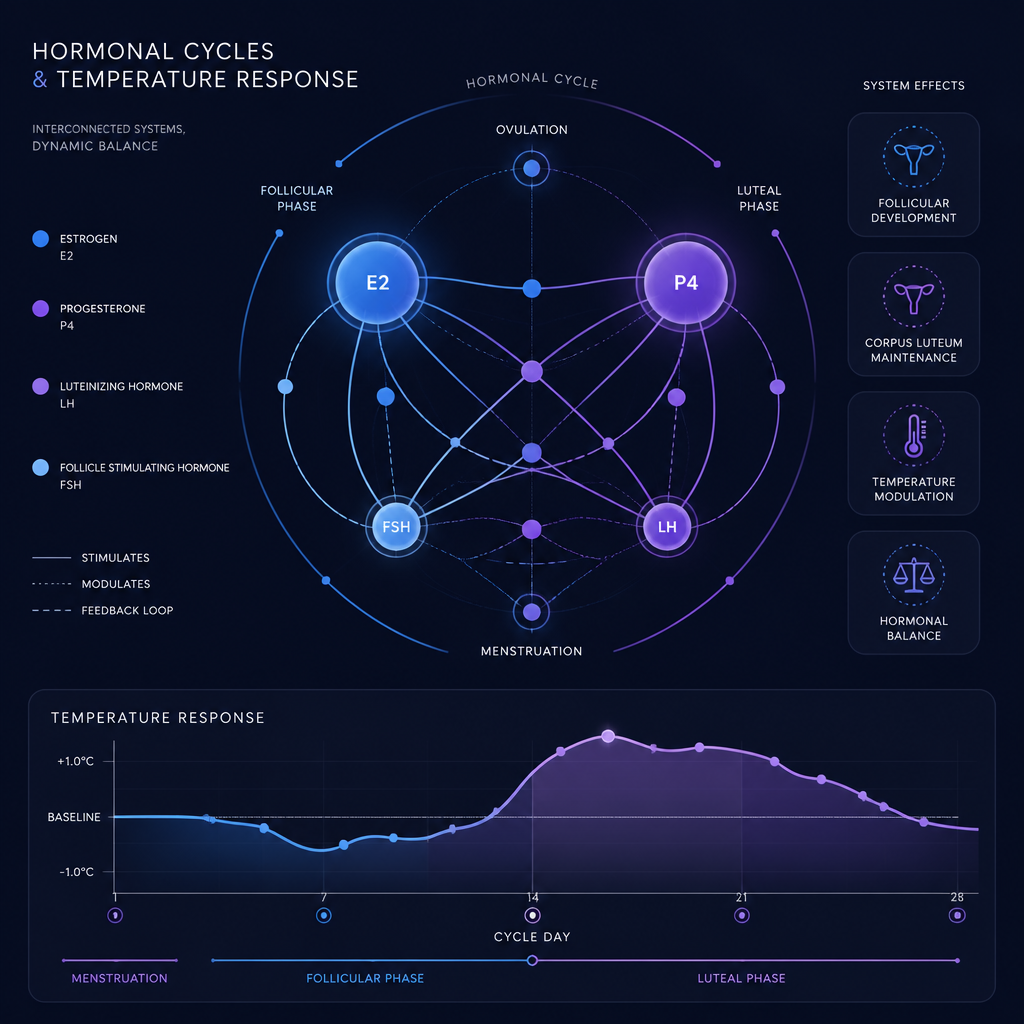
| The follicular phase is the ideal time for more intense immersions | Between days 6 and 14 of the cycle, with estrogen rising and progesterone low, the body is more resilient to thermal stress. It is the most favorable window to increase duration or lower the temperature. |
| Female cryotherapy relieves PMS and perimenopause symptoms | A study of 1,114 women by University College London (UCL) revealed that nearly half of the participants reported improvements in anxiety associated with menstrual symptoms after cold water immersion. |
| Ideal temperature for beginners: 13-16°C | You don't need to be below 10°C to see real benefits. For beginners, 13-16°C for 2 to 5 minutes already triggers a significant physiological response without unnecessary risk. |
| Cold baths reduce cortisol and increase dopamine | Cold exposure stimulates the release of norepinephrine and dopamine, two neurotransmitters that improve focus, mood, and stress resilience. |
| Pregnant women and those with Raynaud's disease should avoid immersion | There are real contraindications. Any cardiovascular, vascular, or cold-sensitivity condition should be evaluated by a physician before starting the practice. |
| 1 to 3 sessions per week is enough for consistent results | Quality of immersion beats quantity. More sessions per week without gradual progression increases the risk of overloading the nervous system without proportional gains. |
What makes ice baths different for women
Most of the existing research on cold water immersion has been conducted with mostly male participants. This does not mean that women do not benefit from the practice, but it does mean that there is a gap in specific data that is important to recognize before copying any generic protocol.
From a physiological point of view, the differences are real. Women generally have a higher proportion of subcutaneous fat and less muscle mass than men. This body composition results in a different thermogenic response: heat production without shivering is proportionally more pronounced in the female body, which represents a more efficient way of dealing with cold stress. In comparative studies, men showed greater adrenaline spikes during immersion, while women demonstrated a superior insulative response.
This has practical implications: women may feel the cold more intensely at moderate temperatures, not because they are less resilient, but because the female nervous system processes the stimulus differently. An ice bath at 14°C may feel just as intense to a woman as 11°C does to a man with more muscle mass. Adjusting expectations and protocols to this physiological reality is not a concession. It is applied intelligence.
Specific benefits for women
Female cryotherapy shares many benefits with the general practice of cold water immersion, but there is a set of effects with specific relevance to the physiology and health goals of women.
Hormonal regulation and cortisol reduction
Cold exposure acts on the body's stress axis, training the autonomic nervous system to regulate itself more efficiently. With regular sessions, cortisol spikes become shorter, and baseline recovery improves. For women living with chronic stress, irregular cycles, or symptoms of hormonal imbalance, this effect is particularly relevant, given that chronically elevated cortisol directly interferes with the balance between estrogen and progesterone.
Improvement in mood and mental clarity
Cold water immersion stimulates the release of norepinephrine and dopamine. In a study with 16 female participants, the subjects reported feeling more active, alert, and attentive, and less anxious or stressed after a cold water immersion bath. This positive emotional response profile is consistent with how cryotherapy acts on the parasympathetic nervous system.
Benefits for skin and circulation
The constriction followed by vasodilation that occurs during and after immersion stimulates peripheral circulation. This effect, when practiced regularly, can contribute to improved skin tone, reduction of edema in the lower limbs, and decreased fluid retention. For women who run, cycle, or do strength training, this circulatory benefit translates into lighter legs with less heaviness.
Relief from perimenopause symptoms
Women in the perimenopausal phase frequently report significant improvement in anxiety, mood swings, and low energy after adopting regular cold water immersion practices. This is one of the areas where anecdotal evidence is strongest, even if scientific research is still limited.
Cold water immersion does not replace medical interventions for hormonal imbalances, but it can serve as a low-cost supplement to manage day-to-day symptoms related to the cycle and hormonal transition.
Ice baths and the menstrual cycle
One of the most frequently asked questions from women starting the practice is: can I take an ice bath during my period? The honest answer is that it depends on how your body responds, but there are general evidence-based guidelines.
Menstrual phase (days 1 to 5): caution, not prohibition
During menstruation, the body is more sensitive to temperature variations. Some women feel increased discomfort; others report precisely the opposite: relief from cramps, reduced bloating, and mood improvement. Immersion can help reduce inflammation and period-related pain, acting as a natural analgesic. The practical recommendation is to start with shorter sessions and more moderate temperatures in this phase, rather than stopping completely.
Follicular phase (days 6 to 14): the most favorable window
With estrogen rising and progesterone at low levels, energy increases and the body becomes more resilient to stress. This is the ideal phase for longer immersions or lower temperatures. The thermogenic response is more efficient during this period, which means the body handles the cold stimulus better.
Luteal phase (days 15 to 28): managing PMS with cold
As progesterone rises, fatigue, irritability, and mood swings characteristic of premenstrual syndrome may appear. Ice baths can help manage these symptoms through the release of endorphins and regulation of the nervous system. A study of 1,114 women conducted by University College London (UCL) showed that nearly half of the participants with menstrual symptoms reported improvements in anxiety, and more than a third reported relief from mood swings and irritability after cold water exposure.
Tip: Log the cycle phase in which you do each session during the first few weeks. This log helps you identify the days your body reacts best and optimize your protocol over time.
Cold baths for the female athlete: muscle recovery
For female athletes, the cold bath is a recovery tool with a real impact on performance. The mechanism is direct: cold induces vasoconstriction, reduces local blood flow, decreases muscle inflammation, and attenuates the conduction of the nerve impulse that transmits the sensation of pain to the brain.
In practice, this means less delayed onset muscle soreness (DOMS) in the 24 to 72 hours after an intense workout, which allows you to return to training with higher quality. For runners training on consecutive days, road cyclists, or triathletes with high training loads, this faster recovery window can make the difference between a high-quality second workout or one compromised by residual fatigue.
An important aspect for athletes training for hypertrophy: there is evidence that an ice bath immediately after strength training can attenuate the muscle protein synthesis response. The rule of thumb is simple: if the goal is to gain muscle mass, wait at least 4 to 6 hours between resistance training and cold water immersion. For running, cycling, or cardiovascular training, this restriction does not apply as strongly.
Post-workout recovery protocol for athletes
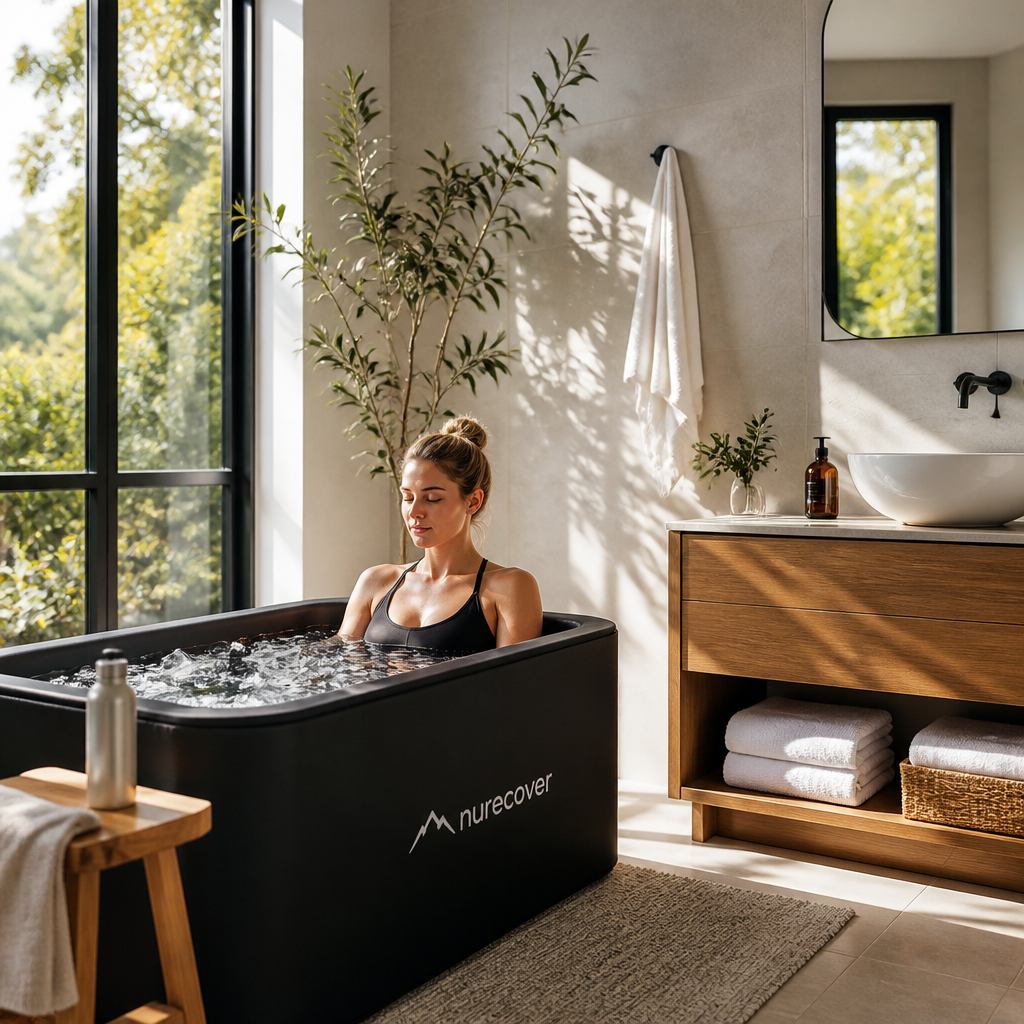
The simplest and most effective protocol for muscle recovery is immersion for 10 to 15 minutes at a temperature between 10 and 15°C, within 30 to 60 minutes after exercise. For experienced athletes, temperatures between 7 and 10°C with sessions up to 15 minutes represent the highest level of stimulus. An immersion tub with an integrated chiller allows you to maintain this temperature consistently without relying on block ice.
Tip: Don't always end the session at the first sign of discomfort. The initial discomfort in the first 60 to 90 seconds is normal and will pass. Most people reach a state of relative calm after that threshold. Leaving too early negates the adaptive benefit of the practice.
Women's wellness and cold: mental health and sleep
The field of women's wellness using cold goes far beyond sports recovery. Regular cold water immersion has measurable effects on two areas that directly affect quality of life: mental health and sleep.
The mechanism of action on mental state is well-documented. Cold exposure acutely activates the sympathetic nervous system, followed by a parasympathetic recovery response that produces a feeling of calm and clarity. With regular repetition, this cycle trains the body to regulate stress more efficiently. Women with mild to moderate anxiety consistently report improved mood after regular sessions.
Regarding sleep, the effect is related to the drop in core temperature that occurs after immersion. This drop signals to the circadian system that it is time to rest, making it easier to fall asleep. For women experiencing sleep disturbances during the luteal phase or perimenopause, a session in the late afternoon can have a positive effect on the quality of nighttime sleep.
Perimenopausal women who have adopted regular cold water immersion practices also report improvements in anxiety, mood swings, and low spirits. In the aforementioned UCL study, 46.9% of perimenopausal women reported a reduction in anxiety, 34.5% reported improvement in mood swings, and 31.1% reported a reduction in low mood.
How to start safely
The biggest barrier to adopting ice baths is not the temperature. It is the lack of a sensible progression protocol. Most people quit by the second or third session because they start too aggressively, without giving the nervous system time to adapt to the stimulus.
Step 1: Start with cold showers
Before attempting a full immersion, spend two to three weeks ending your regular showers with 30 to 60 seconds of cold water. This adaptation phase prepares the nervous system for the thermal shock response and makes the first immersion significantly less difficult.
Step 2: First immersion at 13-16°C
For most people, the ideal temperature range to start is between 13 and 16°C. At this temperature, there is already a real physiological response without unnecessary risk. The initial duration should be 2 to 5 minutes. Enter the tub progressively: start with your feet and legs before submerging your torso to minimize the shock reflex.
Step 3: Gradual progression of temperature and duration
Only after you feel comfortable with 5-minute sessions at 13-16°C should you lower the temperature to 10-13°C. Experienced athletes can eventually work between 7 and 10°C in sessions up to 15 minutes. Never skip steps in this progression to impress others or out of impatience.
Recommended frequency
Between 1 and 3 sessions per week is enough for consistent results. More than that without adequate progression does not accelerate results and may overload the nervous system. The quality and consistency of the practice over weeks always beats the quantity of sessions in a single cycle.
Comparison of approaches for beginners
| Approach | Pros | Cons |
|---|---|---|
| Progressive cold shower (ending shower with cold water) | No equipment needed, natural progression, ideal for initial adaptation | Cannot control temperature precisely, limited full-body exposure, less physiological stimulus |
| Portable tub with ice (supermarket ice) | Low initial cost, allows full immersion, accessible for home use | Inconsistent and difficult-to-control temperature, inconvenient ice logistics, temperature rises quickly during the session |
| Ice tub with integrated chiller (such as Alaska Recover solutions) | Precise and constant temperature, ready to use without preparation, hygienic, suitable for daily and professional use | Higher initial investment, requires fixed space |
In practical terms, the cold shower is the starting point for those who want to test their body's response without any financial commitment. For those who want to integrate cryotherapy consistently into their routine, an ice tub with temperature control eliminates the main execution barriers: preparation, inconsistency, and the "I don't have ice" excuse.
Contraindications and precautions
Ice baths are safe for the vast majority of healthy women, but there are situations in which cold water immersion should be avoided or performed only under medical supervision.
Absolute contraindications include pregnancy, Raynaud's disease or other vasospastic disorders, cold hypersensitivity, uncontrolled cardiac arrhythmias, and open wounds or skin lesions. Women with a history of cardiovascular issues should obtain medical clearance before starting any form of cold water immersion.
Beyond absolute contraindications, there are situations that require more caution. Immersion should never be done alone, especially during the initiation phase. The cold shock response when entering cold water can trigger hyperventilation and, in rare cases, loss of consciousness. Having someone present or nearby during the first few sessions is a simple but important safety measure.
After the session, warming up should be natural and gradual. Warm clothing, gentle movement, and a hot drink are sufficient. Immediately entering a sauna at extreme temperatures right after a long immersion is not the safest progression for beginners, although contrast therapy (alternating between cold and heat) is an effective practice for experienced users. The combination of sauna and ice bath is precisely one of the most popular protocols in wellness and sports recovery centers.
Frequently Asked Questions
Is an ice bath safe during menstruation?
For most healthy women, yes. During the menstrual phase, the body may be more sensitive to cold, so it is recommended to slightly reduce the duration and keep the temperature more moderate. Some women report relief from cramps and a reduction in bloating with immersion during this period. If you feel marked discomfort, respect your body's signals and resume in the follicular phase.
What is the ideal temperature for a woman starting from scratch?
Between 13 and 16°C is the most suitable range for beginners. At this temperature, there is already a real physiological response, such as the release of norepinephrine and vascular constriction, without exposing the body to unnecessary risks. Start with 2 to 3-minute sessions and increase gradually as your cold tolerance improves.
Does an ice bath help with PMS symptoms?
Available evidence, including a study with over 1,100 women, suggests that regular cold water immersion can reduce anxiety, irritability, and mood swings associated with the menstrual cycle. The practice acts on the nervous system and promotes the release of neurotransmitters that improve mood. It is not a universal solution, but many women report tangible benefits with consistent practice.
How long after training should I take an ice bath?
The 30 to 60 minutes following cardiovascular or endurance training is the most effective window for recovery. For strength training focused on hypertrophy, it is recommended to wait at least 4 to 6 hours so as not to interfere with muscle protein synthesis. The general rule is: the more the goal is recovery and reduction of inflammation, the closer to the training the session should be.
How often should I take an ice bath to see results?
1 to 3 sessions per week is the interval with the best balance between benefit and nervous system recovery. More sessions do not necessarily translate into more results, especially in the initial adaptation phase. Consistency over weeks and months matters more than the maximum weekly frequency.
Can I take an ice bath at home without specialized equipment?
You can start with a common bathtub filled with cold water and store-bought ice, although temperature maintenance is inconsistent throughout the session. For regular results and a sustainable practice, a portable ice bath with a chiller is significantly more practical. Alaska Recover's immersion tubs are available in both portable formats for home use and professional versions for gyms, clinics, and wellness studios.
Do you have experience with ice baths as a woman? Share how you adapted the protocol to your cycle or your training routine in the comments.
References
- How cold water therapy affects female hormones: evidence and the menstrual cycle
- Ice bath benefits for women: what science says
- All about ice baths: ideal temperature and duration according to science
- Cold water immersion and female hormones: what research reveals
- Ice bath benefits for women according to a hormone specialist