


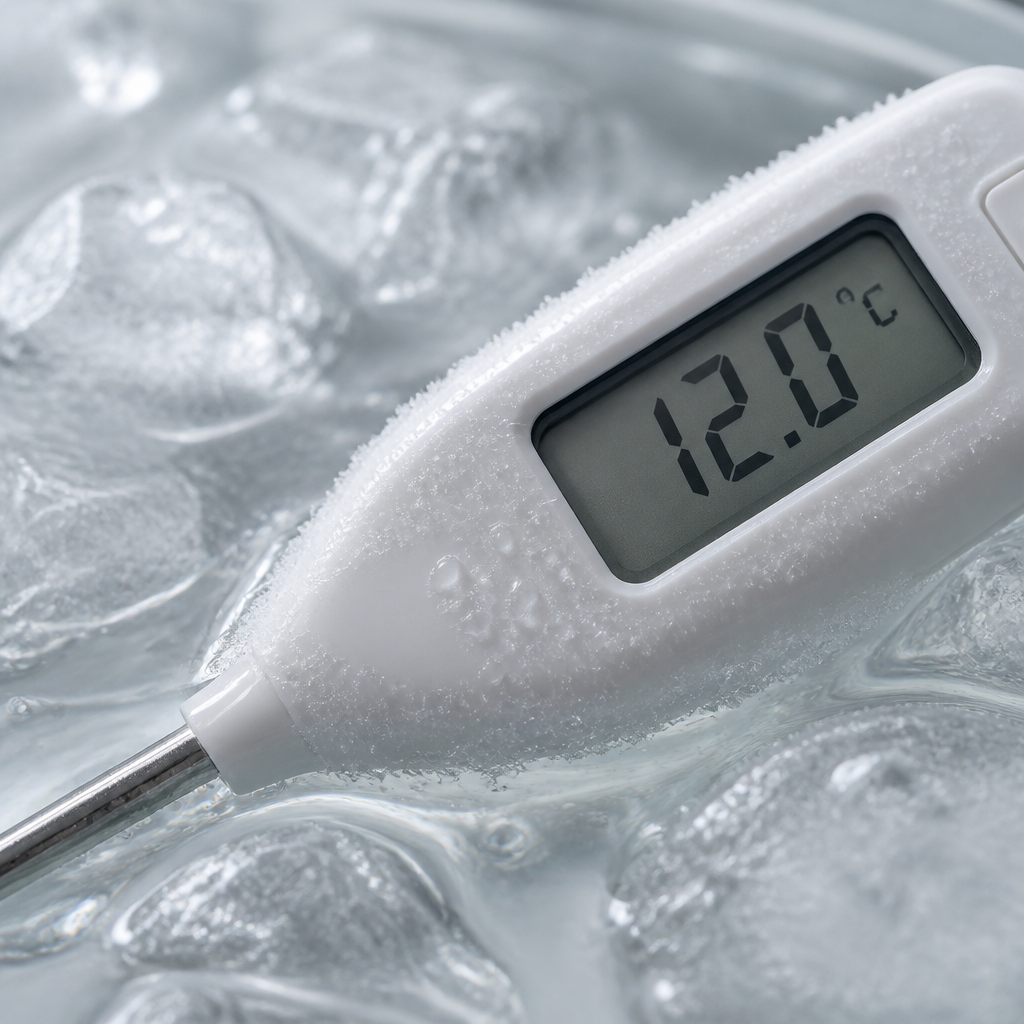
The first time you step into a 12-degree bathtub, your body goes into panic mode. Your breathing speeds up, your muscles tense, and your instinct tells you to get out immediately. That is exactly the moment the ice bath begins to take effect, and that is exactly where most beginners give up. This guide exists so that doesn't happen to you. If you are looking to understand how to start ice baths for beginners safely, with real results and no exaggerations, you are in the right place. Alaska Recover supports athletes, fitness enthusiasts, and home users in this practice, and what you find here is applied information, without unnecessary romanticism.
Table of Contents
- Quick Summary: Key Points
- What an Ice Bath Is and How It Works
- Evidence-Based Cold Therapy Benefits
- How to Start: Step-by-Step Protocol
- Ideal Temperature, Duration, and Frequency
- The Most Common Beginner Mistakes
- Comparison of Cold Recovery Methods
- Contraindications and Safety
- Contrast Therapy: Combining Cold and Heat
- Frequently Asked Questions
- References
Quick Summary: Key Points
| Key Point | Explanation |
|---|---|
| Entry temperature for beginners | Start at 15°C and gradually lower it to 10-12°C. Do not enter at 5°C in your first session. |
| Recommended duration at the start | Two minutes are sufficient to reap the benefits. Even 30 to 60 seconds will produce a measurable effect. |
| Science-based weekly dose | About 11 total minutes per week, spread over 2 to 4 sessions, is the dosage most supported by literature. |
| Right timing after strength training | Avoid ice baths immediately after hypertrophy training. Cold can compromise muscle gains if applied right after. |
| Breathing as a control tool | Deep, controlled inhalations regulate the nervous system and reduce the initial shock. It is the difference between enduring and giving up. |
| Never alone during the first sessions | Temporary loss of muscle strength and potential hyperventilation justify having someone nearby for the first few times. |
| Cold isn't a miracle, but it does something real | It reduces delayed onset muscle soreness (DOMS), increases norepinephrine, and trains the stress response. It does not cause weight loss on its own nor cure injuries. |
What an Ice Bath Is and How It Works
An ice bath, also called cold immersion therapy or cold water immersion (CWI), consists of the deliberate immersion of the body in cold water, usually between 8°C and 15°C, for short and controlled periods. It is not a recent fad: the practice has roots in Scandinavian culture, where the contrast between the sauna and ice-cold water has been part of the tradition for centuries, and it was adopted by generations of elite athletes long before social media made it viral.
The physiological mechanism is straightforward. When the body comes into contact with cold water, immediate vasoconstriction occurs, meaning blood vessels narrow to preserve core heat. Upon leaving the water, vasodilation occurs, a pumping effect that helps remove metabolites accumulated during exercise, reduce muscle inflammation, and accelerate tissue repair. This cycle of vessel contraction and expansion is the core of what makes cold therapy effective for recovery.
The neurological response is equally relevant. Studies have recorded significant increases in dopamine and norepinephrine during cold water immersions, which are neurotransmitters associated with alertness, concentration, and stress resistance. This is one of the reasons why many people describe a feeling of mental clarity and energy after the bath—a response that is not a placebo, but chemical.
Evidence-Based Cold Therapy Benefits
There is a tendency to exaggerate the benefits of the ice bath and another to minimize them entirely. The reality lies in the middle, with concrete results in specific areas and little evidence in others. Knowing the difference saves you from disappointment and helps you integrate this practice with realistic expectations.
Muscle recovery and reduction of delayed soreness
This is the benefit with the most support. Cold water immersion helps reduce delayed onset muscle soreness (DOMS), which occurs 12 to 48 hours after intense workouts, by restricting blood flow and reducing the nerve signaling that activates pain perception. For runners, cyclists, triathletes, or anyone with high-intensity sessions followed by little recovery time, this effect has real practical value.
However, it is fundamental to distinguish: the ice bath is more effective for recovery after endurance training and intense aerobic exercise. For those training with the primary goal of muscle hypertrophy, applying it immediately after a strength session may compromise gains, as we discuss later.
Impact on mood, energy, and mental resilience
Cold exposure is associated with the release of endorphins and norepinephrine, which can lift your mood, combat fatigue, and increase alertness. Regular cold exposure is also associated with greater tolerance to stress, both physical and mental. This resilience component is not secondary: the ability to remain calm when discomfort arises carries over to training, competitions, and daily life.
The ice bath doesn't make you stronger just because of the cold itself. It makes you stronger because every time you enter that water, you deliberately choose discomfort. That habit carries over into everything else.
What an ice bath doesn't do
It does not cause weight loss on its own. It does not cure active injuries. It does not replace sleep, nutrition, or structured training. These claims often circulate in connection with cold plunging, but they lack robust scientific support. Treating the ice bath as a recovery tool rather than a magic solution is the mindset that guarantees sustained results.
How to Start: Step-by-Step Protocol
Progression is the element most ignored by beginners. Most people either give up on the first attempt because they entered water that was too cold for too long, or they abandon the practice for lack of routine. The protocol below is designed to avoid both situations.
Weeks 1 and 2: The adaptation phase with cold showers
Before getting into a bathtub with water at 12°C, start by ending your showers with 30 to 60 seconds of cold water. Not lukewarm. Cold. This step has a dual function: it teaches your nervous system how to regulate the initial response to thermal shock and gauges your real tolerance before you invest in an immersion tub. A common mistake is skipping this step and going straight to full immersion.
Tip: Before entering cold water, do two minutes of slow, controlled breathing. The body reacts much more calmly to the initial stimulus when the nervous system is already regulated before immersion.
Week 3 onwards: Progressive immersion
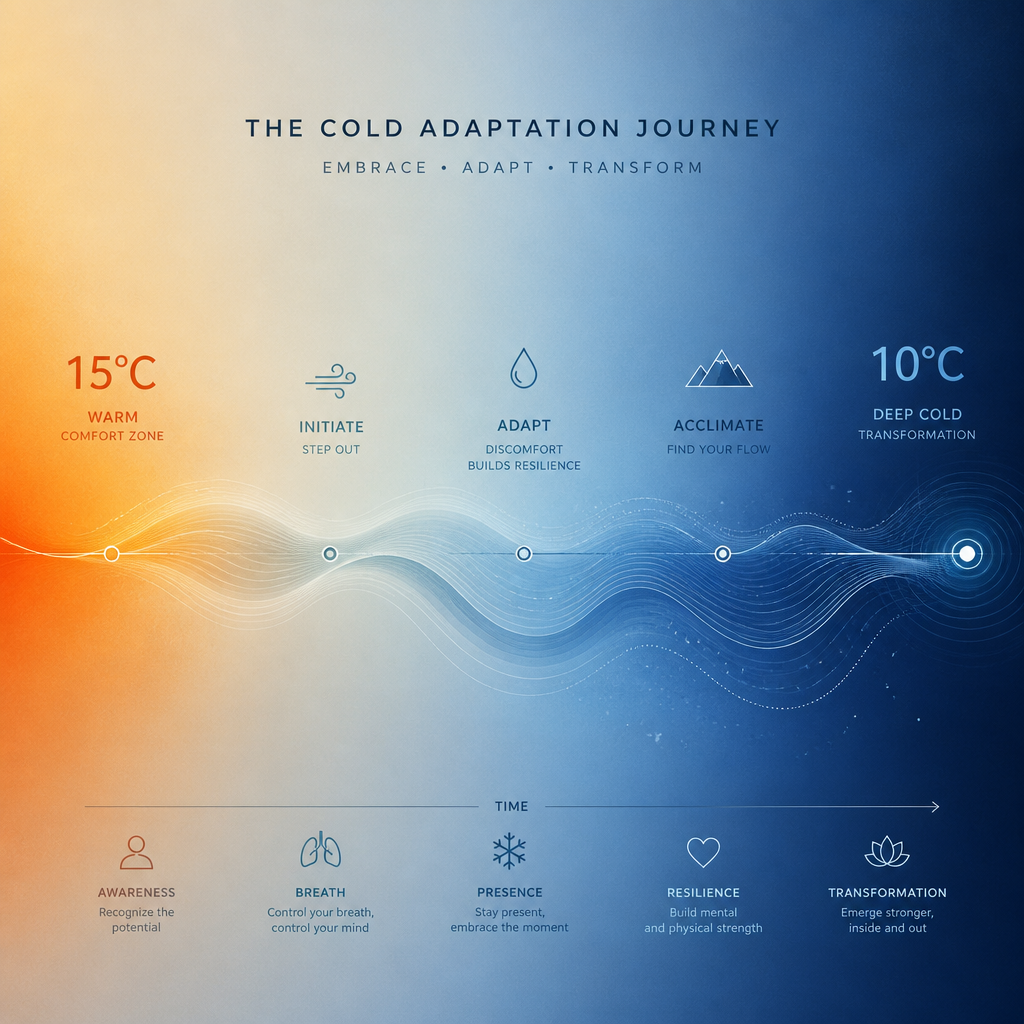
Start with water around 15°C and lower the temperature gradually, session by session, until you reach 10-12°C. Enter the tub slowly, starting with your feet and legs, to give your body time to adjust before full immersion. In the first few sessions, stay for only two minutes. This time is sufficient to obtain real benefits.
As your tolerance increases, you can extend up to five minutes. The goal is not to endure as long as possible: it is to build consistency. Regular two-to-three-minute sessions, several times a week, produce more results than a ten-minute session once every two weeks.
Ideal Temperature, Duration, and Frequency
These three variables are often confused with personal preference, when in reality there are clear practical guidelines that serve the vast majority of users, especially beginners.
Temperature: the effective range
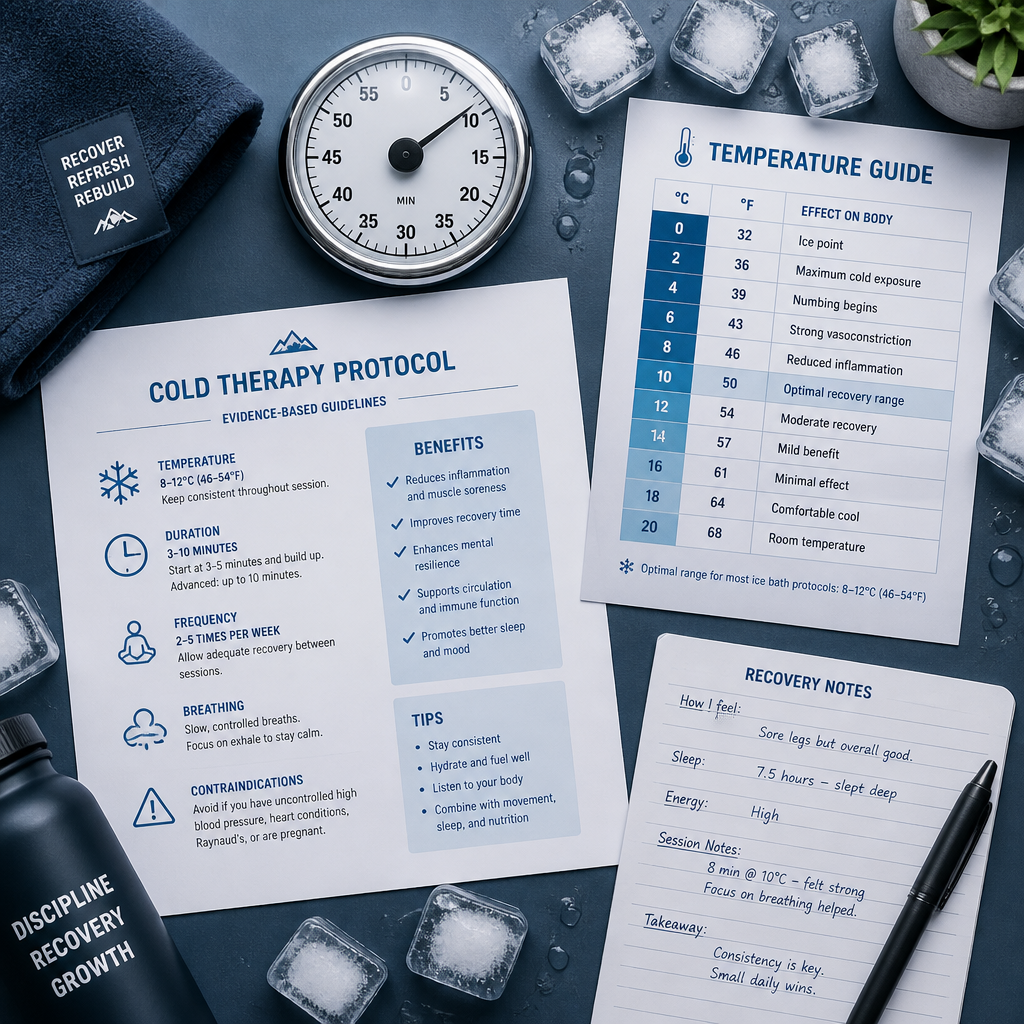
For beginners, the range between 10°C and 15°C is the correct starting point. Temperatures below 10°C increase discomfort without adding proportional benefits for those still in the adaptation phase. As your tolerance increases, dropping to 8-10°C is reasonable and corresponds to the range used in professional sports contexts. Temperatures below 8°C require experience and supervision.
Duration: less is more at the start
Two to five minutes are sufficient for the effects of muscle recovery and neurological response. Even 30 to 60 seconds already produce measurable benefits. Staying well beyond ten minutes does not increase gains linearly and raises the risk of hypothermia, especially at lower temperatures.
Frequency: consistency above all
The weekly dose with the most backing is about 11 total minutes of cold exposure, spread over two to four sessions. This translates to something like three sessions of three to four minutes per week. This frequency is sustainable, allows for progressive adaptation, and does not interfere with recovery between workouts if planned well.
Tip: Use an integrated chiller or a bathtub with a cooling system, like those available at Alaska Recover, to keep the temperature stable session after session. Improvising with store-bought ice results in inconsistent temperatures and makes controlled progression difficult.
The Most Common Beginner Mistakes
There are patterns of errors that repeat so frequently they deserve their own section. Knowing them in advance saves frustration and, in some cases, prevents risky situations.
Entering immediately after strength training
This is probably the most relevant mistake from a scientific standpoint. Published studies have shown that cold water immersion immediately after resistance training can compromise muscle hypertrophy by attenuating the anabolic processes that occur in the post-workout period. If your goal is to build muscle mass, do not use an ice bath immediately after strength training. For intense aerobic training, long runs, or high-intensity sessions, the immediate timing is, on the contrary, appropriate and beneficial.
Entering at temperatures that are too low in the first week
The desire to feel the "real" effect leads many beginners to enter 6°C or 8°C water without prior adaptation. The result is almost always the same: hyperventilation, early exit, and excessive discomfort that discourages continuation. Gradual progression is not shyness; it is strategy.
Ignoring breathing
When the body comes into contact with cold water, the natural reaction is rapid, shallow breathing. This response increases the feeling of panic and makes staying in the water difficult. Deep, controlled breathing is the main tool for regulating the nervous system in this context and must be practiced before and during the session.
Doing the first session alone
The temporary loss of muscle strength after prolonged immersion can make it difficult to get out of the tub on your own. In the first few sessions, having someone nearby is not excessive caution; it is common sense.
Comparison of Cold Recovery Methods
There is no single way to apply cold therapy. The three most common approaches have distinct advantages, limitations, and user profiles. The following table helps you understand which one best suits your current situation.
| Method | Advantages | Limitations |
|---|---|---|
| Cold Shower | Accessible, no equipment, ideal for initial adaptation; stimulates the nervous system and begins building cold tolerance | Inconsistent temperature; partial body coverage; without full immersion, physiological effects are minor |
| Ice Bath (DIY method) | Full immersion; low initial cost; can be done in any household bathtub | Temperature difficult to control and maintain; labor-intensive maintenance; less reliable hygiene with repeated use |
| Immersion Tub with Chiller | Precise and stable temperature; controlled hygiene; ready to use at any moment; design intended for regular home or professional use | Higher initial investment; requires space and proper installation |
For those starting at home, the cold shower is the starting point. For those who want to integrate cold recovery as a consistent routine, whether at home or in a professional space like a gym, clinic, or wellness studio, a tub with an integrated cooling system eliminates the variables that make the DIY method unpredictable.
Contraindications and Safety
Cold immersion therapy is safe for most healthy people when practiced with progression and within recommended temperature and duration limits. However, there are specific situations that require prior medical evaluation or that constitute direct contraindications.
Who should consult a doctor before starting
People with cardiovascular issues, high blood pressure, Raynaud's disease, diabetes with peripheral neuropathy, or any condition affecting blood circulation should obtain medical clearance before starting the practice. The same applies to pregnant women and individuals with extreme cold sensitivity. The vasoconstriction caused by cold is an intense stimulus for the cardiovascular system, and this stimulus needs to be evaluated in a clinical context when pre-existing conditions exist.
Signs to exit the water immediately
Dizziness, intense pain, extreme difficulty breathing, excessive numbness, or confusion are signs to exit the tub immediately. There is no training goal that justifies ignoring these signs. Cold affects the body from the inside out, and individual limits vary. Listen to your body, get out, and evaluate.
Contrast Therapy: Combining Cold and Heat
Contrast therapy combines sauna and ice bath in alternating sequences. It is one of the most complete recovery approaches available, precisely because it activates opposite physiological mechanisms in rapid cycles. The heat of the sauna dilates blood vessels and relaxes muscles. The transition to the ice bath causes immediate vasoconstriction. This repeated cycle acts as a circulatory pump that mobilizes metabolites, reduces inflammation, and stimulates the nervous system deeply.
Those who already experiment with both practices often describe the post-session feeling of euphoria as the moment "the blood starts circulating again" in an accelerated way. This response is not imagination: it is the cardiovascular system actively responding to two intense and opposite thermal stimuli.
For those looking to integrate both practices, a simple entry-level protocol is: 10 to 15 minutes of sauna, two to three minutes of an ice bath, repeated two to three times per session. Alaska Recover offers saunas and cold plunge tubs designed specifically for this type of contrast protocol, for both home and commercial use.
Contrast therapy does not replace an isolated ice bath or an isolated sauna. It is a complementary practice that requires the user to already have some familiarity with each of the stimuli separately. Start with the cold, then add the heat.
Frequently Asked Questions
What is the ideal temperature for a beginner's ice bath?
For those just starting, the range between 12°C and 15°C is most suitable. This temperature already produces relevant physiological effects without the excessive shock that leads to quitting. As your tolerance increases over the weeks, you can gradually lower it to 8-10°C, which is the range used in professional sports contexts.
How long should I stay in the cold water?
Two minutes is the recommended starting point for beginners, with a gradual progression up to five minutes. Even 30 to 60 seconds produce measurable effects. Exceeding ten minutes does not increase benefits proportionally and raises the risk of hypothermia, especially at temperatures below 10°C.
Can I take an ice bath every day?
It is neither necessary nor recommended for beginners. A frequency of two to four sessions per week, totaling about 11 minutes of weekly exposure, is the range with the most practical support. Daily sessions can be integrated by experienced users with specific goals, but for most people, weekly consistency outweighs daily frequency.
Does an ice bath hinder muscle mass gain?
If applied immediately after strength training, it can interfere with the anabolic processes responsible for muscle growth. The recommendation is to avoid ice baths immediately following hypertrophy training. For aerobic training, running, or high-intensity exercise, immediate post-workout timing is appropriate and beneficial for recovery.
Do I need a special tub or can I use my home bathtub with ice?
You can start with your home bathtub and store-bought ice. The problem is that the temperature becomes inconsistent, maintenance is laborious, and with repeated use, hygiene is difficult to control. For a regular and progressive practice, a plunge tub with an integrated chiller offers stable temperature, guaranteed hygiene, and much less logistical effort per session.
What should I do immediately after getting out of the ice bath?
Dry yourself well, warm up naturally with warm clothes, and avoid an immediate hot shower. The natural rewarming process is part of the physiological stimulus: the body activates its own mechanisms to recover core temperature, and this process contributes to the benefits of the practice. If you feel dizzy or excessively weak after leaving the water, sit down and wait before moving around.
Have you already tried an ice bath or are you considering starting? Tell us about your experience or questions in the comments; your feedback helps other beginners make the right decision.
References
- Practical guide on ice baths for muscle regeneration and how to start safely
- The scientific facts about ice baths: benefits, risks, and protocols
- Ice bath benefits based on studies: what works and what is a myth
- Ice baths: immersion cryotherapy, physiological mechanisms, and protocols
- Ice immersion: effects on muscle recovery, pain, and mood