


You play padel three times a week, and the next day your shoulders and elbows protest. It is a familiar experience for any regular player. Padel demands repeated explosive movements, sharp changes of direction, and technical gestures with high joint impact, yet most players still recover as if they had just been for a simple stroll. Ice baths for padel are no longer just for elite athletes; they have become an accessible and proven recovery tool, capable of shortening the time between sessions and reducing the risk of cumulative injury. This article explains why, how, and when to use cryotherapy if you play padel regularly.
Table of Contents
- Key Points
- Why Padel Requires Serious Recovery
- What an Ice Bath Does to Your Body
- Ice Bath Protocol for Padel Players
- Contrast Therapy: Sauna and Ice for Advanced Recovery
- Comparison of Recovery Methods for Padel
- Padel, Wellness, and the New Club Profile
- Frequently Asked Questions
- References
Key Points
| Main Insight | Explanation |
|---|---|
| The elbow and shoulder are the most affected areas in padel | Studies indicate that the elbow accounts for 30% to 74% of injuries in padel players, followed by the shoulder and knee. Local and whole-body cryotherapy helps control inflammation in these zones. |
| The ideal ice bath temperature is between 10°C and 15°C | Below 10°C, the risk of cold injury increases with no demonstrated additional benefit. Above 15°C, it loses efficacy in reducing DOMS and muscle inflammation. |
| Immersion time should not exceed 15 minutes | Exposures longer than 20 minutes offer no added benefit and increase the risk of hypothermia. The 10 to 15-minute window is widely supported by sports medicine research. |
| The ideal time is within two hours after the game | Performing immersion outside this window significantly reduces its effectiveness in decreasing delayed onset muscle soreness (DOMS) and inflammatory markers. |
| Cryotherapy does not replace rest or nutrition | The ice bath is a supplement, not a shortcut. Combined with hydration, post-workout protein, and quality sleep, the results are substantially better. |
| Using cold after every workout can be counterproductive | Excessive cold water immersion can blunt long-term strength and hypertrophy adaptations. Save the protocol for high-intensity sessions or competition. |
| Players over 35 especially benefit | From this age onwards, muscle injuries predominate over tendon or ligament issues. The ice bath is particularly effective for muscle recovery and pain management. |
Why Padel Requires Serious Recovery
At first glance, padel seems like a low-impact sport. A small court, no long sprints, played in doubles. This perception is misleading and is one of the reasons why so many players get injured without really knowing why.
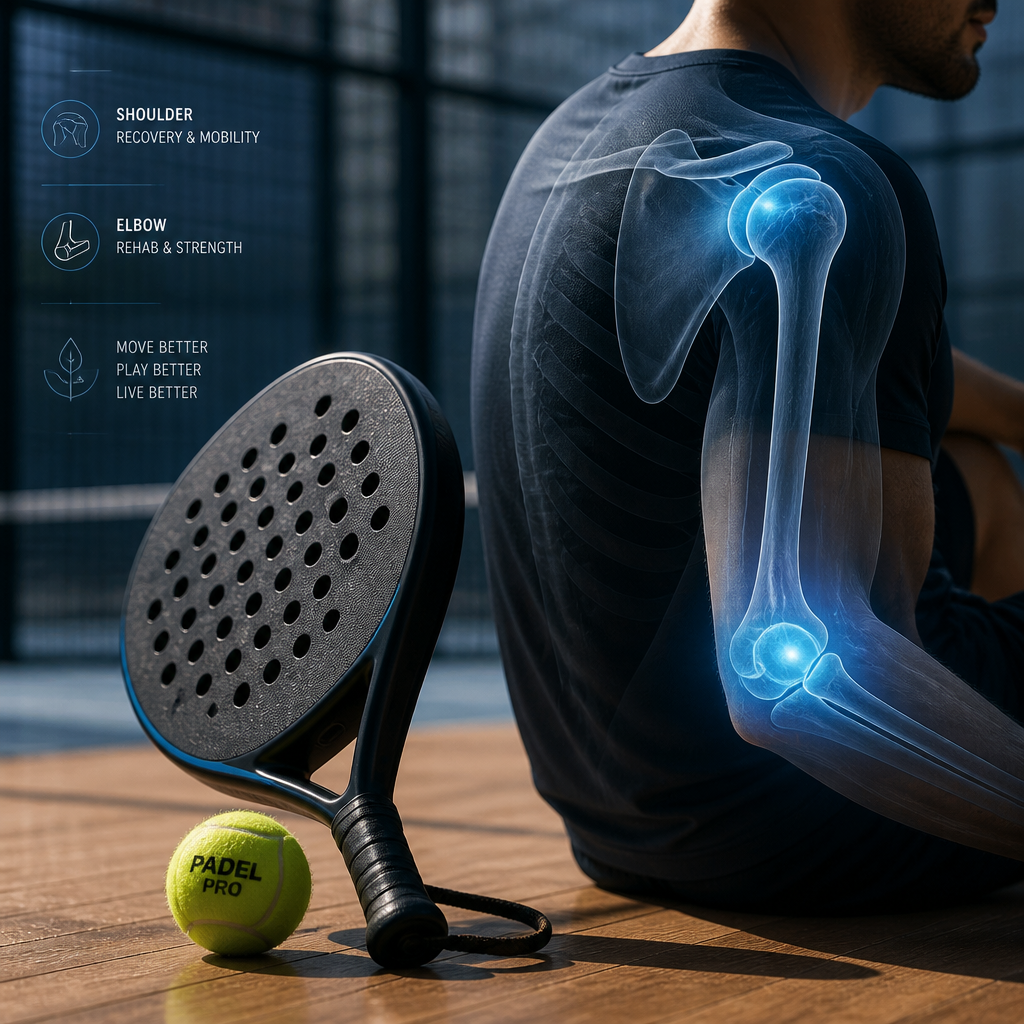
The biomechanical reality of padel is demanding. Technical strokes, especially the bandeja, vibora, and serve, involve high-speed glenohumeral rotations and repeated wrist extension. Sports epidemiology studies show that in padel players, the elbow accounts for 30% to 74% of injuries, the shoulder 13% to 21%, and the knee 10% to 23%. The lumbar spine and ankle also regularly appear in clinical records.
Furthermore, padel is typically played on hard surfaces with quick changes of direction and abrupt stops, which overloads the tendon and muscle structures of the lower limbs. A player who practices four to six hours a week accumulates a considerable volume of joint impact, often without any structured recovery strategy.
The profile of the padel player in Portugal
Padel grew significantly in Portugal in the years following the pandemic, becoming one of the sports with the most new participants in the country. This growth was accompanied by an increase in dedicated sports centers and the hosting of international events on Portuguese soil. The problem is that most new players arrived at padel without any culture of sports recovery, unlike athletes from other disciplines who already have these habits ingrained.
The typical padel player in Portugal is an adult, plays between two to four times a week, has an active life outside of sports, and cannot afford to be out for a week due to tendonitis or a muscle strain. It is exactly for this profile that ice baths for padel make the most practical sense.
What an Ice Bath Does to Your Body
Cold water immersion triggers a series of well-documented physiological responses. Understanding the mechanism helps you use the tool with more precision, rather than just because it's a trend.
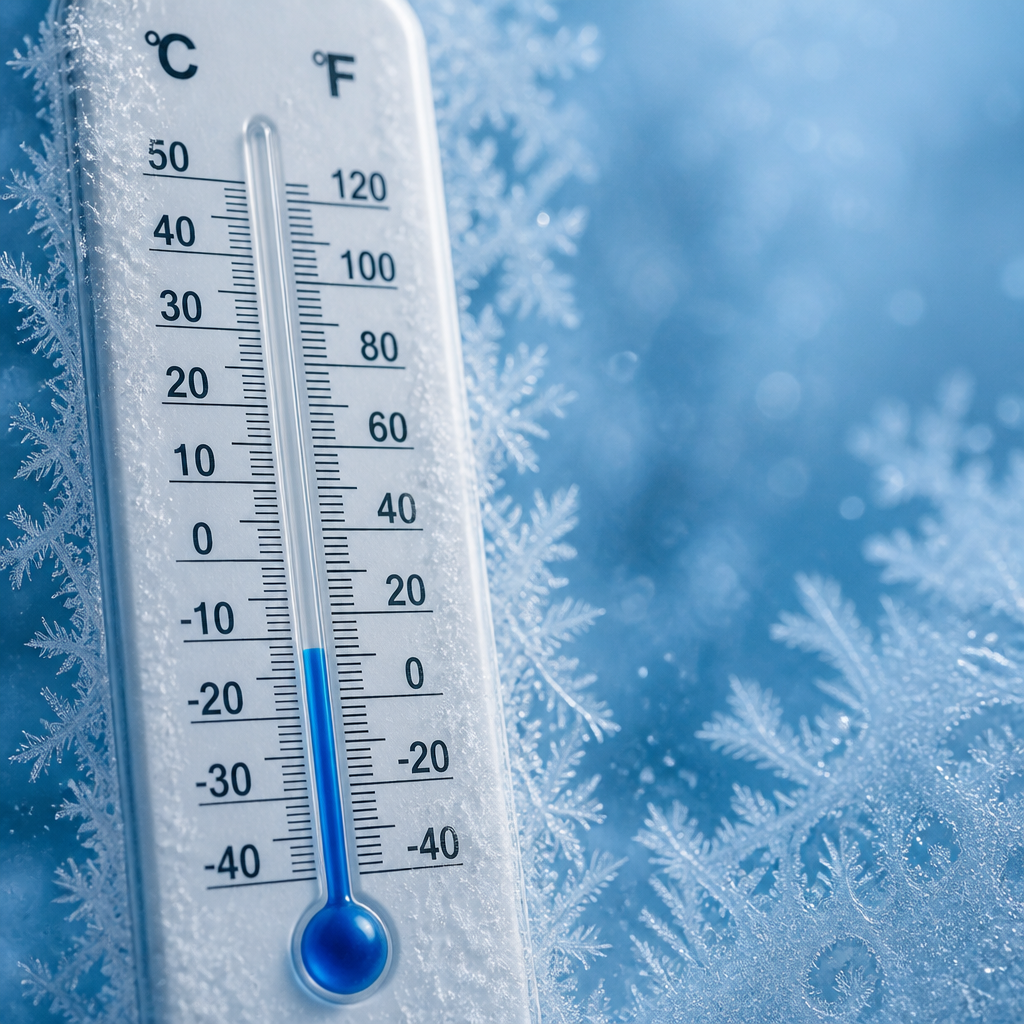
When the body comes into contact with water between 10°C and 15°C, immediate peripheral vasoconstriction occurs. Blood flow in muscle and joint tissues decreases, which reduces edema and local inflammation. When the body exits the water and warms up gradually, vasodilation occurs, increasing blood flow and accelerating the removal of metabolites like lactic acid accumulated during exertion.
Reduction of DOMS and muscle soreness
DOMS, or delayed onset muscle soreness, is what you feel 24 to 48 hours after a demanding game. Cold water immersion consistently reduces the intensity of DOMS in athletes, according to multiple sports medicine studies and published meta-analyses. Skin temperature drops rapidly, which reduces nerve conduction velocity and, consequently, the perception of pain.
For a padel player who plays on Thursday night and returns to the court on Saturday morning, this reduction in DOMS is not a luxury. It is the difference between entering the court competitively or dragging yourself through two sets.
Control of joint inflammation
The joints most punished in padel—elbow, shoulder, and knee—benefit from the anti-inflammatory effect of cryotherapy. The application of cold reduces tissue swelling, controls local inflammatory markers, and diminishes joint pain. This mechanism is especially relevant for players who already have chronic tendinopathies or a history of repeated joint injury.
Cold water immersion is the most studied cryotherapy modality and one of the most used by athletes at all levels of competition for post-exertion recovery. The body of available research supports its use as a passive recovery tool.
Tip: If you don't have immediate access to an ice bath after the game, a 5 to 8-minute cold shower is an acceptable alternative to start activating the vasoconstriction mechanism. However, it is not equivalent in terms of depth and distribution of the cold stimulus.
Ice Bath Protocol for Padel Players
There is a huge difference between "jumping into cold water" and following an immersion recovery protocol. The latter produces consistent results. The former can be uncomfortable without real benefit.
Temperature
The proven effectiveness zone is between 10°C and 15°C. Below 10°C, the risk of cold injury increases without evidence of additional benefit for muscle recovery. Above 15°C, the thermal stimulus is insufficient to produce effective vasoconstriction and significant reduction in DOMS. For a padel player at home, using a calibrated thermometer is essential: the subjective perception of "cold enough" is not reliable.
Duration
Research consistently points to a window of 10 to 15 minutes per session. Exposures longer than 20 minutes do not provide additional benefit and increase the risk of hypothermia. A good approach for those starting out is to begin with 8 minutes and progress gradually over two weeks until comfortably reaching 12 to 15 minutes.
Timing after the game
The most effective time is within two hours after finishing physical activity. Exceeding this window reduces the ice bath's ability to interfere with immediate inflammatory processes and subsequent DOMS. In practice, a player who finishes a game at 9:00 PM should complete the immersion before 11:00 PM, ideally sooner.
Frequency
Do not use ice baths after every single workout. For moderate-intensity sessions, active recovery and rest are sufficient. Reserve the full immersion protocol for higher-intensity games, competition, or periods of high weekly training load. Excessive use can blunt the strength and hypertrophy adaptations that the training is intended to induce.
Tip: During a period of three games in five days, as happens in amateur tournaments or intense weekends, apply the full protocol after each session. This is where the return on investment is highest and where cumulative fatigue most affects performance and joint integrity.
Contrast Therapy: Sauna and Ice for Advanced Recovery
If an ice bath alone produces results, contrast therapy, alternating heat and cold in a structured way, is the next step for padel players who want to maximize recovery between sessions.
The principle is simple: the heat of the sauna causes intense vasodilation, increasing blood flow and preparing tissues for a more pronounced response to the subsequent cold. The alternation between vasodilation and vasoconstriction acts as a physiological pump that accelerates the removal of metabolic waste and boosts circulation in injured or fatigued tissues.
How to structure a contrast session
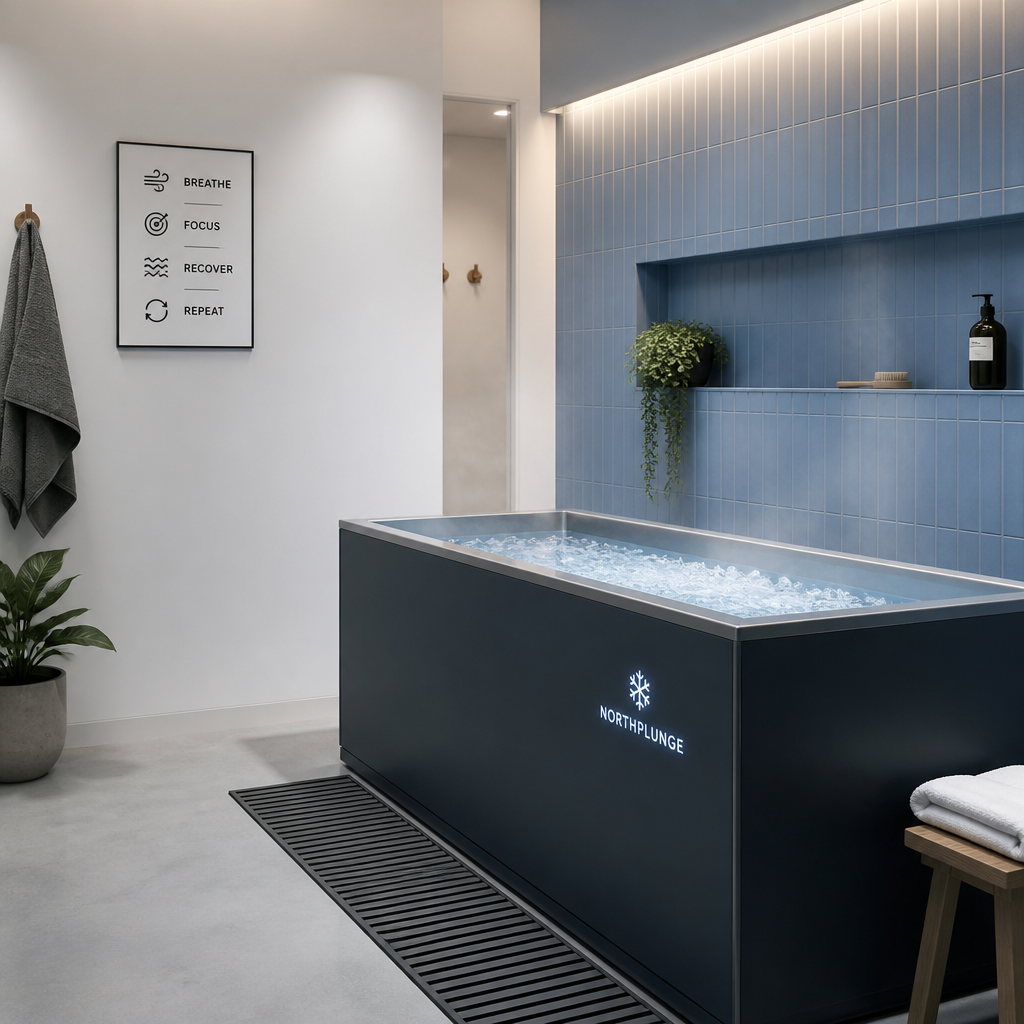
A basic contrast therapy protocol for padel recovery consists of 10 to 15 minutes in a hot sauna, followed by 10 minutes of immersion in an ice bath between 10°C and 15°C. This cycle can be repeated one to two times, always ending with cold to maximize final vasoconstriction and reduce residual edema.
This approach is already common in top padel clubs and wellness studios that have realized the modern padel player is looking for exactly this type of service. At Alaska Recover, the combination of premium saunas with ice baths and chiller systems was designed precisely to support this type of protocol, both in professional facilities and in a home environment.
Comparison of Recovery Methods for Padel
There are several recovery approaches available for padel players. The table below compares three main methods based on the criteria that matter most to those who play regularly.
| Recovery Method | Efficacy for DOMS and Inflammation | Practicality for Regular Use |
|---|---|---|
| Ice Bath (Cold Water Immersion) | High. Proven reduction of DOMS and inflammatory markers. Faster effect distributed throughout the body. | High with portable tub or home chiller system. 10 to 15-minute protocol easy to integrate into post-game routine. |
| Active Recovery (low-intensity exercise) | Moderate. Promotes circulation and removal of metabolites, but with a slower effect and less pronounced impact on acute inflammation. | Very high. No equipment required. Less effective when the level of fatigue or inflammation is high. |
| Contrast Therapy (Sauna + Ice) | High to very high. Thermal alternation boosts the effects of both modalities, especially regarding circulation and muscle recovery. | Moderate. Requires access to a sauna and ice bath. Ideal in equipped clubs or at home with specific installation. |
Padel, Wellness, and the New Club Profile
The explosion of padel in Portugal has created a new opportunity for clubs, gyms, and sports facilities that realize players don't just want courts. They want a complete ecosystem for performance and recovery.
Clubs that have already integrated ice baths and saunas into their facilities report higher member retention and a clear differentiation from the competition. A padel player who trains four times a week and has access to a structured recovery protocol at the club itself is a more satisfied member, with a lower dropout rate due to injury and a greater propensity to bring in new members.
Solutions for commercial facilities
For a club or wellness studio looking to integrate cryotherapy for its padel users, options range from high-capacity portable immersion tubs to integrated systems with temperature-controlled chillers that maintain water at the ideal temperature without the need for constant ice additions. Alaska Recover offers professional ice baths designed for intensive commercial use, with a focus on durability and ease of maintenance in a sports club context.
Solutions for home use
Padel players who prefer to recover at home also have practical options. Portable ice tubs are the most accessible entry into the world of cryotherapy. For those who want precise temperature control without relying on ice, chiller systems allow the water to be kept at 12°C automatically, simplifying the protocol and making it more consistent. In sports recovery, consistency is far more important than one-off intensity.
The trend is clear: wellness is no longer exclusive to professional athletes or luxury spas. Today's amateur padel player has access to the same recovery tools that professional teams were using a decade ago, at a fraction of the cost.
Frequently Asked Questions
What is the right ice bath temperature for padel recovery?
The ideal temperature is between 10°C and 15°C. Below 10°C, the risk of cold injury increases without demonstrated additional benefit. Above 15°C, the stimulus is insufficient for an effective reduction of DOMS and inflammation. Always use a thermometer to check the actual water temperature.
How long should I stay in the ice bath after playing padel?
Between 10 and 15 minutes per session. Exposures longer than 20 minutes do not add benefit and increase the risk of hypothermia. Those just starting out can begin with 8 minutes and progress gradually over the first two weeks.
Can I use an ice bath before a padel game for preparation?
It is not recommended. Cold water immersion before physical activity can lower muscle temperature and force production capacity, increasing the risk of injury. The ice bath is intended for post-exertion recovery, not as a pre-game warm-up.
How often should I take an ice bath if I play padel several times a week?
Reserve the full immersion protocol for the highest intensity sessions, competitive matches, or periods with multiple games in a few days. Using it after every training session without exception may attenuate the strength adaptations that the training is intended to create. In normal weeks, two to three immersion sessions are sufficient and more effective than systematic daily use.
Is contrast therapy better than an isolated ice bath for padel players?
For general muscle recovery, contrast therapy (sauna plus ice bath) tends to produce superior results to an isolated ice bath, especially during periods of high training load. However, an isolated ice bath is more practical for immediate use after a match and remains highly effective. The ideal is to have both options available and use them according to the intensity of the session.
Which padel injuries benefit most from cryotherapy?
Elbow and shoulder tendinopathies, which are the most prevalent injuries in padel, respond well to local and systemic cryotherapy for pain and inflammation control in the acute phases. Muscle contractures of the lower limbs and calves also benefit from full-body immersion. In cases of severe acute injury, always consult a physiotherapist or sports doctor before starting any cryotherapy protocol.
What is the difference between a portable ice bath and a chiller system for padel?
A portable tub is more affordable and does not require installation, but it requires the regular addition of ice to maintain the correct temperature, which can be inconvenient and inconsistent. A system with an integrated chiller maintains the water at a programmed temperature automatically, is easier to use daily, and ensures greater protocol consistency. For frequent home use or for commercial facilities like padel clubs, a chiller system represents an investment that pays off in the medium term.
If you play padel regularly, tell us about your experience with cryotherapy or post-match recovery in the comments: what have you tried and what works best for you?
References
- Cold water immersion in sports recovery: scientific evidence analysis by the American College of Sports Medicine
- Cold water immersion protocols for athletes: optimal temperature, duration, and timing according to current research
- Epidemiology of padel injuries: prevalence, affected areas, and risk factors
- Training load, injuries, and well-being in young padel players: a cross-sectional study
- Ice baths: benefits, ideal temperature, and recommended duration for recovery