


You train hard, feel your muscles burning the next day, and wonder if an ice bath is really worth the discomfort. The short answer is: it depends on what you are looking for. The long answer is what this article will give you. The debate over ice baths and inflammation is far from consensual in science, but there is enough solid data for you to make informed decisions, whether you are a high-performance athlete, an amateur runner, or a home user looking for a more effective recovery routine. Let's get to what really matters.
Table of Contents
- What happens in the muscle after intense exercise
- Physiological mechanism of immersion cryotherapy
- What science says about cryotherapy and muscle inflammation
- DOMS and cold baths: how much relief is real
- When an ice bath can work against you
- Correct protocol: temperature, duration, and frequency
- Contrast therapy: sauna plus ice bath
- Comparison of immersion recovery methods
- Frequently Asked Questions
- References
What happens in the muscle after intense exercise
When you perform a high-intensity training session, muscle fibers undergo micro-tears. This process is both the reason you get stronger and the reason you feel sore the next day. The body responds with a local inflammatory process, which is essential for tissue repair. The problem is that this inflammation also causes pain, stiffness, and temporary loss of strength, which can compromise subsequent workouts.
Delayed onset muscle soreness, known as DOMS, typically appears between 12 and 48 hours after exertion and can last for several days. For athletes who train or compete frequently, this recovery window has a direct impact on performance.
This is where active recovery strategies come in, and immersion cryotherapy is one of the most studied and used in high-performance sports. But how exactly does it work at a physiological level?
Physiological mechanism of immersion cryotherapy
Immersion cryotherapy, commonly called an ice bath, involves the controlled exposure of the body to low temperatures, usually between 8°C and 15°C (46°F-59°F), for periods ranging from 5 to 15 minutes. The central mechanism is vascular: when the body is exposed to intense cold, immediate vasoconstriction occurs, meaning blood vessels rapidly narrow. When you get out of the water, vasodilation follows, which is an widening of the vessels. This pumping effect helps remove accumulated metabolites and reduce localized edema.
The cold also decreases nerve conduction velocity, which explains the immediate reduction in the perception of pain. Additionally, cold water immersion can activate the parasympathetic nervous system, which is associated with a feeling of relaxation and a reduction in perceived fatigue.
Creatine kinase as a marker of muscle damage
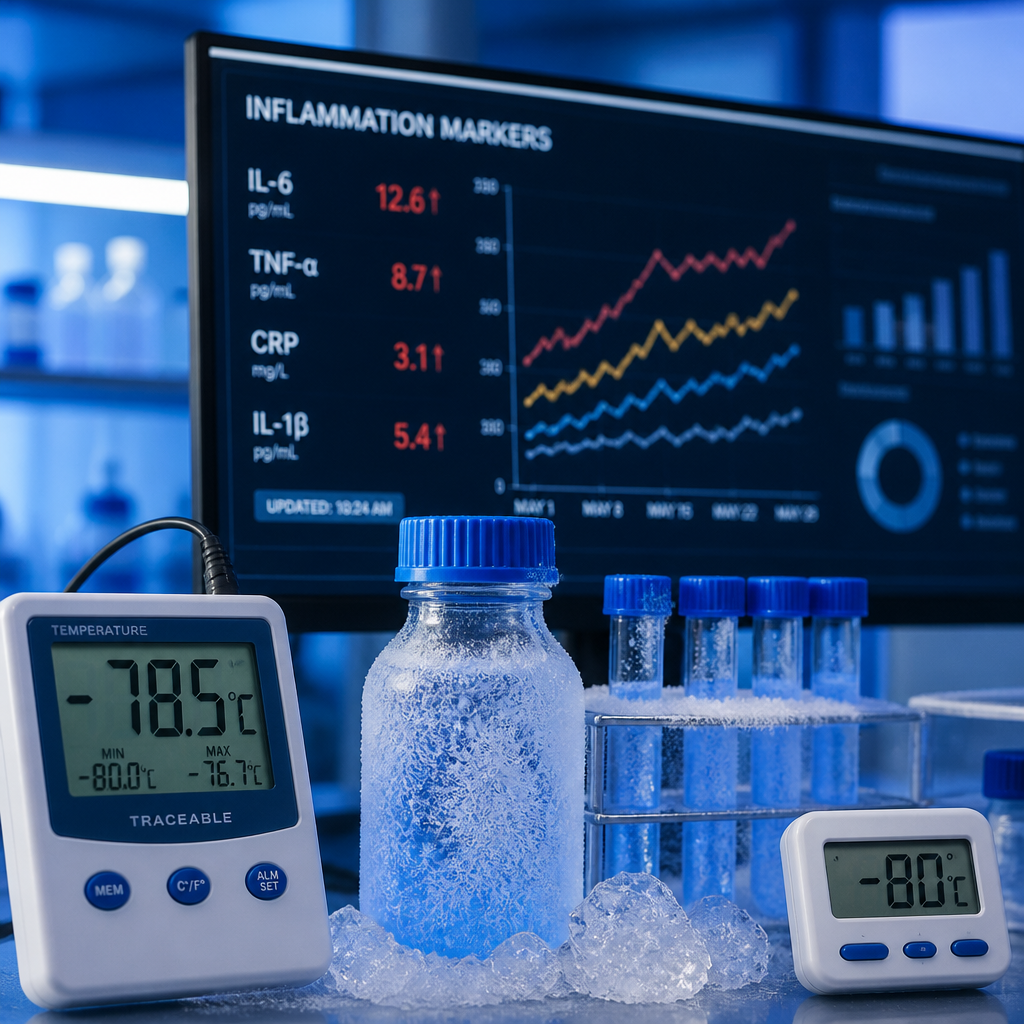
In the laboratory, exercise-induced muscle damage is frequently measured through creatine kinase (CK) levels in the blood. High CK values indicate injury to muscle cell membranes. Some studies show reductions in markers of muscle damage like creatine kinase with proper cold water immersion protocols. It is an objective indicator, although it is not the only criterion relevant to functional recovery.

What science says about cryotherapy and muscle inflammation
The volume of research on this topic is significant. A meta-analysis published in the British Journal of Sports Medicine evaluated 36 studies on cold water immersion cryotherapy and concluded that it can, in fact, reduce delayed onset muscle soreness in the first 24 to 96 hours after exercise. Another meta-analysis published in 2025, conducted by researchers at the Capital University of Physical Education and Sports in Beijing, analyzed the impact of different cold water immersion protocols on the recovery of acute exercise-induced muscle damage, concluding that the dosage, temperature, and duration make a difference in the results.
The strongest evidence for cryotherapy focuses on the reduction of delayed muscle pain perception, the feeling of subjective recovery, and the maintenance of performance on consecutive days of competition. This point is particularly relevant for triathletes, cyclists, and runners who have back-to-back events or intense training sessions with little interval between them.
Cryotherapy is a tool, not the foundation of recovery. It does not replace sleep and nutrition and, in excess, can interfere with specific adaptations such as muscle mass gain.
What science has not yet fully resolved is whether the reduction of inflammation by cold is always desirable. Post-exercise inflammation is part of the muscle repair and adaptation process. Suppressing it systematically can, in certain contexts, delay or attenuate these adaptations.
Tip: If your main goal is muscle mass gain in a specific strength cycle, consider using an ice bath only on higher volume days or after competitions, rather than as a routine after every resistance training session.
DOMS and cold baths: how much relief is real
DOMS is the primary therapeutic target of immersion cryotherapy in the sports context. Cold water immersion can help reduce muscle pain and inflammation, especially after long runs, high-intensity weightlifting sessions, or demanding competitions. This relief is not just subjective: there are measurements of perceived pain and biomarkers that support its efficacy in the first hours and days after exertion.
In practice, athletes who take an ice bath immediately after training consistently report less muscle stiffness and a feeling of faster recovery the next day. This effect is especially noted in sports with a high eccentric component, such as downhill running, jumping, or heavy lifting.
What happens after 96 hours
An important fact, often ignored, is that the benefit of cryotherapy on DOMS tends to be most marked in the first 24 to 96 hours. After this period, the difference between those who used it and those who did not tends to fade. This means that an ice bath is more of a short-term recovery tool than a global long-term recovery accelerator.
Tip: The ideal time for an ice bath is immediately after exercise or up to 30 minutes later. Waiting hours significantly reduces the anti-inflammatory and analgesic effect.
When an ice bath can work against you
This is the point that most cryotherapy enthusiasts conveniently ignore. There are clear contexts where an ice bath not only does not help but can harm your goals.
Muscle hypertrophy and strength training
A meta-analysis indicates that cold water immersion may attenuate muscle hypertrophy induced by resistance training. The difference observed was considered small by the researchers and requires more investigation, but the signal is there. The likely mechanism is that cold suppresses part of the inflammatory response that serves as a signal for protein synthesis and muscle adaptation.
If you are in a training block focused on strength or hypertrophy gains, using an ice bath every day after training may be working against your body composition goals. The logic is direct: the post-exercise inflammation that causes you pain is the same that starts the repair and growth process.
Acute phase of traumatic injury
Ice baths are not indicated for acute traumatic injuries in the first 48 hours, such as severe sprains or contusions with extensive hematoma, without clinical guidance. Contrast therapy, which alternates between cold and heat, is indicated for the subacute phase, 72 hours after the injury, or for general muscle fatigue recovery.
Correct protocol: temperature, duration, and frequency
One of the most common mistakes is using water that is too cold for too long, thinking that "colder is better." It is not. Excessively low temperatures for prolonged periods can induce muscle stiffness and discomfort, with no proven additional benefit. The meta-analysis by Wang et al. (2025) specifically warns about this risk.
The most consensual protocol in literature and sports practice is as follows:
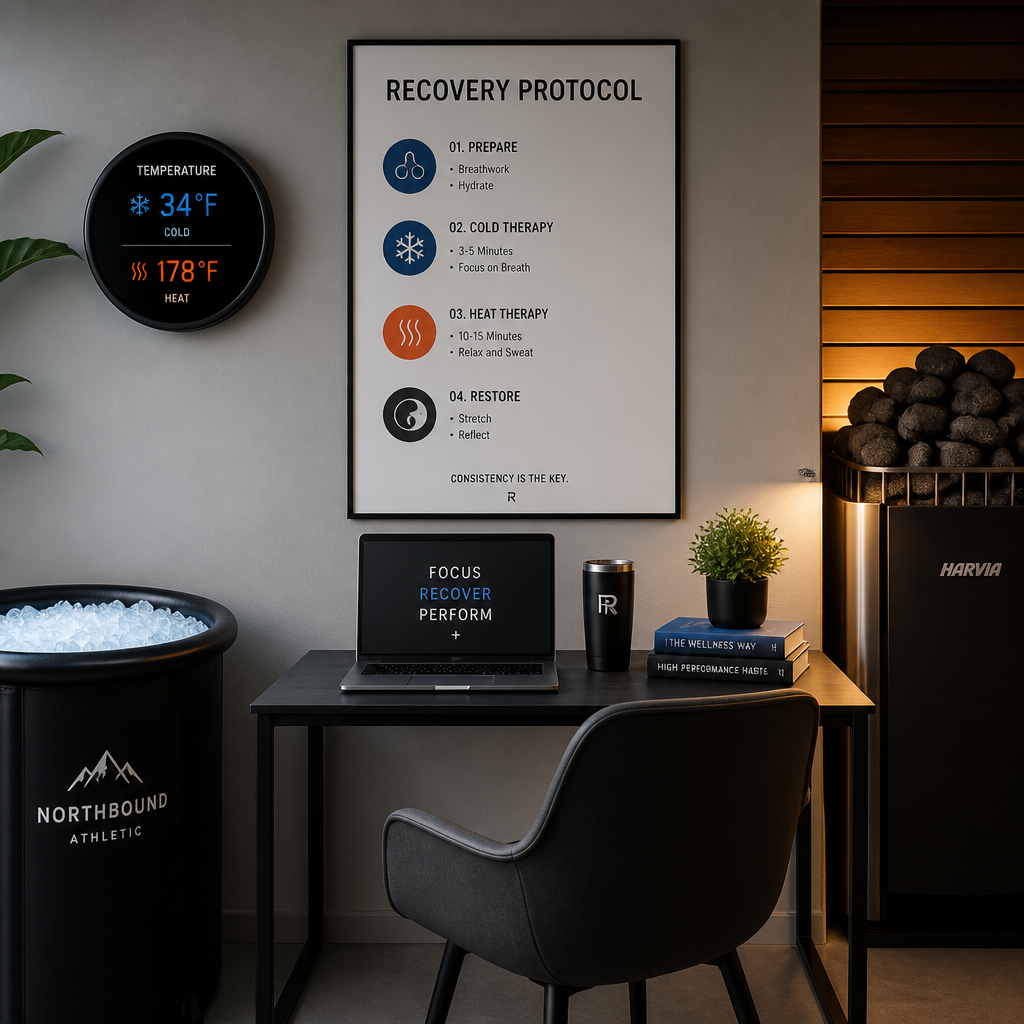
- Temperature: between 10°C and 15°C (50°F-59°F) for most users. Beginners should start at 14°C-15°C (57°F-59°F).
- Duration: between 10 and 15 minutes. Never below 8°C (46°F) and never more than 20 minutes of full immersion.
- Frequency: 2 to 4 times a week during intense training periods, not necessarily after every session.
- Timing: immediately after exercise or up to 30 minutes later, to maximize the anti-inflammatory effect.
Those who are just starting out should begin with 5 minutes at more moderate temperatures and gradually increase both the duration and the intensity of the cold over the weeks. The goal is to adapt the nervous and vascular system progressively, not to shock the body.
Systems with an integrated chiller, such as those available at Alaska Recover, allow the temperature to be kept constant throughout the entire session, which is impossible with ice cubes, which melt quickly and make the protocol inconsistent.
Contrast therapy: sauna plus ice bath
Contrast therapy, which alternates exposure to heat and cold, represents an evolution from the simple ice bath for those seeking a more complete recovery approach. Combining a sauna session with cold water immersion is an effective way to improve circulation, reduce inflammation, and accelerate muscle recovery. The heat from the sauna causes vasodilation and improves blood flow, while the subsequent immersion in cold water causes vasoconstriction, creating the vascular pumping effect already mentioned.
This protocol is used with increasing frequency in top sports facilities, recovery spas, and premium hotels across Europe. For home use, the combination of a compact sauna with a cold plunge tub with a chiller, such as the solutions from Alaska Recover, makes this protocol accessible without leaving home.
How to structure the contrast session
A common and well-tolerated sequence includes 10 to 15 minutes of sauna followed by 5 to 10 minutes of cold water immersion, repeating the cycle two to three times. The cycle should always end with cold to maximize the vasoconstrictive effect and the feeling of recovery. This approach is more effective for general muscle fatigue recovery than for acute injury situations.
Comparison of immersion recovery methods
There are three main immersion recovery approaches used in a sports context. The choice between them should depend on the goals, the type of exertion, and the phase of the training cycle.
| Method | Best For | Limitations |
|---|---|---|
| Cold water immersion (CWI) with chiller at 10°C-15°C for 10-15 min | Short-term DOMS relief, recovery between close competitions, reduction of post-exercise acute inflammation | Can attenuate hypertrophy if used after every strength session; requires proper equipment for temperature control |
| Contrast therapy (sauna + cold immersion, alternating cycles) | Global muscle recovery, circulation improvement, accumulated fatigue in intense training periods | Not indicated in the acute phase of injury; requires simultaneous access to sauna and cold plunge |
| Thermoneutral or warm water immersion (hot tub, hot bath) | Muscle relaxation, tension reduction, recovery from long-duration endurance efforts | Less effective for acute DOMS; can increase inflammation if applied immediately after intense exercise |
In practice, many top athletes combine more than one method throughout the week, adjusting the protocol to the intensity and type of exertion of each session. The important thing is that the choice is intentional and based on the concrete goal of each recovery day.
Frequently Asked Questions
What temperature should the water be for an effective ice bath?
For most people, the ideal range is between 10°C and 15°C (50°F-59°F). This temperature is cold enough to trigger the desired physiological response without unnecessary risks. Beginners should start at 14°C-15°C (57°F-59°F) and go down gradually. Never go below 8°C (46°F), as besides excessive discomfort, very low temperatures for prolonged periods can cause counterproductive muscle stiffness.
How many minutes should I stay in the ice bath?
The protocol most consistent with available evidence is between 10 and 15 minutes of full immersion. Beginners should start with 5 minutes and increase progressively. Sessions over 20 minutes have no documented additional benefit and increase the risk of hypothermia and muscle stiffness.
Does an ice bath hinder muscle gain?
There is evidence that systematic cold water immersion right after strength training can slightly attenuate hypertrophy gains, possibly by suppressing the inflammatory response that serves as a signal for protein synthesis. The effect is small and needs more investigation, but it is enough to recommend caution. If your focus is hypertrophy, reserve the ice bath for higher volume days or after competitions, not for after every strength workout.
Is an ice bath effective for delayed onset muscle soreness (DOMS) recovery?
Yes, this is the benefit with the most scientific support. Cold water immersion consistently reduces the perception of delayed muscle pain in the first 24 to 96 hours after exercise compared to passive rest. The relief is most marked in the hours following immersion. For athletes training on consecutive days, this reduction can have a direct impact on the quality and intensity of subsequent workouts.
What is the difference between a chiller and an ice bath with ice cubes?
A chiller keeps the temperature constant and controlled throughout the session, which is essential for a consistent and effective protocol. Ice cubes melt quickly, making the temperature inconsistent and requiring frequent replenishment. For regular use, systems with an integrated chiller are the most practical, cost-effective in the medium term, and physiologically rigorous option.
Can I use an ice bath every day?
Technically you can, but it is not necessarily the smartest strategy. Using an ice bath on every training day, especially after strength sessions, can interfere with intended adaptations. The most effective use is selective: on high-volume days, after competitions, or in periods with little recovery time between efforts. Two to four days a week is the frequency that most sports medicine professionals recommend during intense training periods.
Can ice baths and saunas be combined?
Yes, and this is one of the combinations with the best evidence for overall recovery. Contrast therapy, which alternates sauna heat with cold water immersion, creates a more pronounced vascular pumping effect than either modality alone. The session should always end with cold. For home or professional spaces, the combination of a sauna and a cold plunge tub with a chiller offers the most complete recovery protocol currently available.
Have you tried ice baths in your recovery routine? Tell us what worked or what didn't go as you expected; your experience can help other athletes get more out of this practice.
References
- Complete guide to ice baths and muscle recovery, with temperature and duration protocols
- Critical analysis of the scientific evidence on cryotherapy and what really works
- Review of meta-analyses on immersion cryotherapy and DOMS reduction in athletes
- Network meta-analysis on the impact of different doses of cold water immersion on muscle damage recovery
- Evidence on the impact of cold water immersion on muscle hypertrophy