


Behind the scenes at any major professional football club, there is a scene that repeats itself almost without exception: players waist-deep in ice-cold water, just minutes after the final whistle. Ice baths in football have moved beyond being a curiosity to becoming an integral part of the recovery routine for elite athletes worldwide. The question isn't whether it works. The question is understanding exactly why, so you can decide if it makes sense for your own routine.
Table of Contents
Table of Contents
- Quick Summary
- Reason 1: Reduction of Muscle Inflammation
- Reason 2: Faster Elimination of Lactic Acid
- Reason 3: Accelerated Recovery Between Matches
- Reason 4: Mental Strengthening and Focus
- Reason 5: Improvement in Sleep Quality
- Comparison of Recovery Methods
- How to Apply to Your Routine
- Frequently Asked Questions
- References
Quick Summary
| Key Point | Explanation |
|---|---|
| Reduces post-match inflammation | Cold-induced vasoconstriction limits muscle swelling and accelerates tissue recovery. |
| Eliminates lactic acid faster | Immersion assists in the removal of metabolic byproducts accumulated during intense effort. |
| Allows playing on consecutive days | With overloaded schedules, cryotherapy makes it physically possible to maintain performance game after game. |
| Strengthens mental resilience | Cold activates the sympathetic nervous system and releases norepinephrine, increasing alertness and focus. |
| Improves athlete sleep | Body temperature regulation after immersion facilitates deeper overnight recovery. |
| Ideal temperature: 10 to 15 °C | The recommended therapeutic window balances efficacy and safety for most athletes. |
| Recommended duration: 10 to 15 minutes | Sufficient time to activate physiological responses without risks of hypothermia or tissue damage. |
Reason 1: Reduction of Muscle Inflammation
After 90 minutes of intense competition, a footballer's muscles are literally damaged. Micro-tears in the muscle are a natural response to exertion, but if inflammation isn't controlled quickly, they turn into an obstacle to recovery and the next training session.
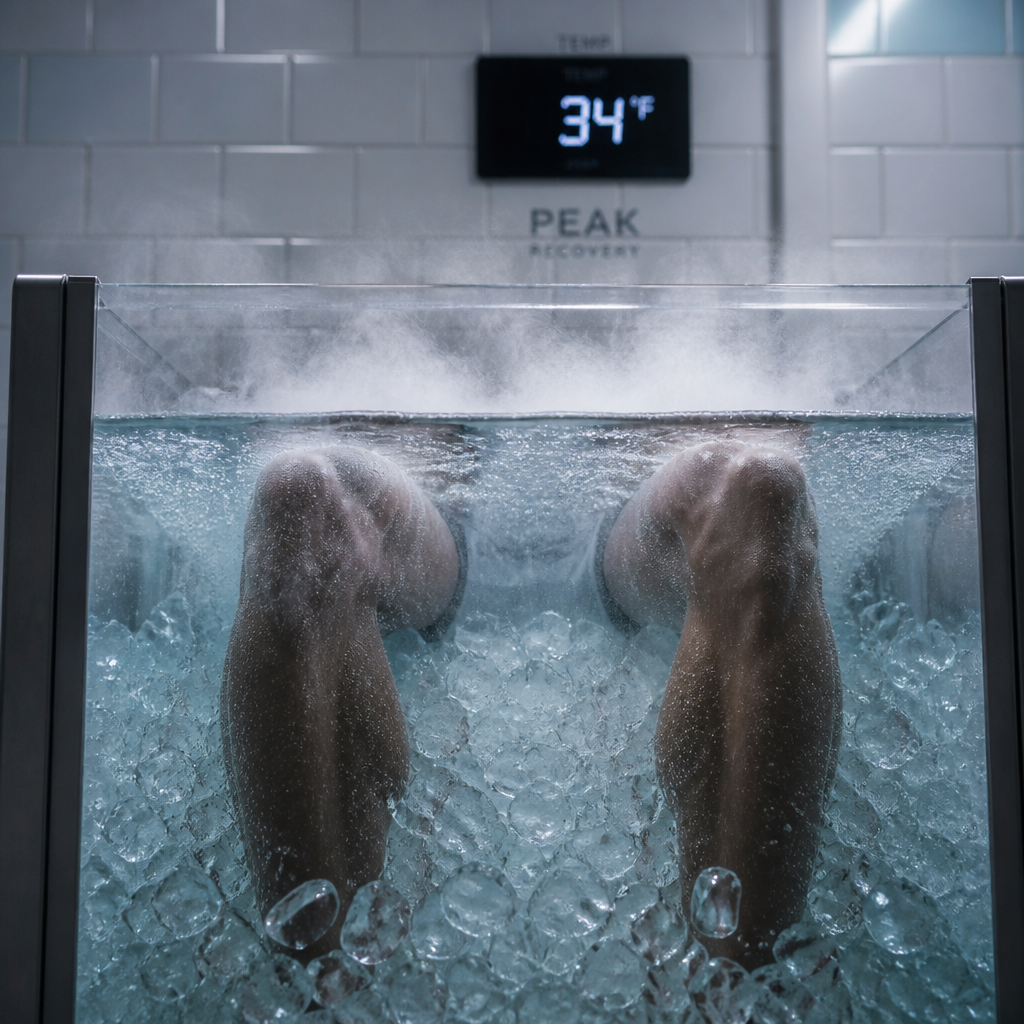
Immersion cryotherapy acts precisely here. When the body comes into contact with water between 10 and 15 °C, blood vessels contract immediately, reducing blood flow to inflamed tissues and limiting swelling. When the athlete leaves the tub, the opposite effect occurs: reactive vasodilation promotes renewed blood flow, bringing oxygen and nutrients to the muscle fibers that need repair.
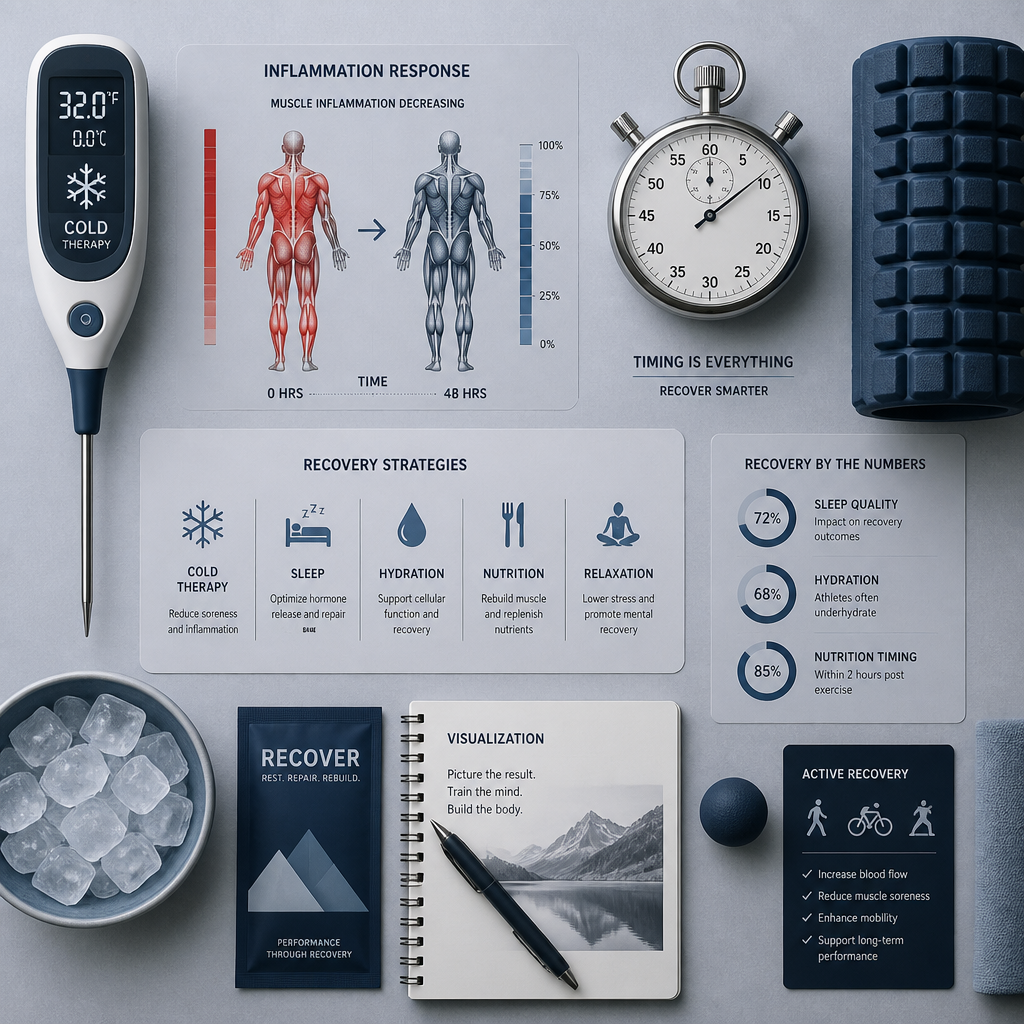
In practice, this translates to returning to training with less pain and stiffness. For a professional player who trains daily and competes twice a week, this difference is not cosmetic. It is the line between being available or being in the medical department.
Tip: Immersion should ideally take place within the first two hours after a match or intense training, when inflammatory processes are still in the acute phase and easier to modulate.
Reason 2: Faster Elimination of Lactic Acid
Lactic acid, or more precisely the lactate accumulated during anaerobic effort, is one of the main culprits for the intense muscle fatigue that players feel during and after a match. Its efficient removal is fundamental to regaining force production capacity.
How cold accelerates metabolic cleansing
The vasoconstriction caused by cold water immersion, followed by vasodilation after leaving the tub, creates a "pumping" mechanism that facilitates circulation and the removal of these metabolic byproducts. Studies on cold water immersion during football match intervals have documented reductions in blood lactate levels compared to passive recovery, which translates directly to a lower perception of fatigue.
What the athlete feels in practice
The feeling described by most footballers is not that fatigue is eliminated, but that their legs feel lighter and they have the capacity to maintain intensity in the following days. This sense of "freshness" is no placebo. There is a documented physiological basis that explains why players at top European clubs insist on this practice even on game-to-game schedules.
The low temperature caused by the ice creates vasoconstriction, assisting in the removal of lactic acid, reducing muscle pain, and providing a significant analgesic and anti-inflammatory effect in the high-competition athlete.
Reason 3: Accelerated Recovery Between Matches
A professional footballer in a European season can play over fifty matches. This compressed calendar requires a recovery approach that goes far beyond rest and nutrition. This is where cryotherapy for footballers becomes truly indispensable.
The problem of the overloaded calendar
With recovery windows of 48 to 72 hours between engagements, the body simply does not have time to regenerate through natural mechanisms. Passive recovery alone is insufficient to maintain muscular integrity throughout a long season. The risk of strains, contractures, and pulls accumulates week after week.
How the ice bath shortens the recovery cycle
By reducing the accumulation of inflammation and helping the body regenerate tissues more efficiently, cold water immersion acts preventively. With regular use, the musculature remains more intact throughout the season. This cumulative effect, practiced week after week, is the real reason why medical departments at large clubs invest in cold recovery infrastructure.
Tip: For amateur players or fitness enthusiasts with daily workouts, a 10-12 minute session between 10 and 15 °C after each high-intensity session replicates the protocols used in professional football without the need for industrial facilities.

Reason 4: Mental Strengthening and Focus
The psychological dimension of the ice bath is often underestimated, but for professional footballers, it represents a benefit as valuable as the physical effects. Voluntarily stepping into a tub of ice-cold water, maintaining composure, and controlling your breathing is, in itself, mental training.
What happens in the brain during immersion
Cold activates the sympathetic nervous system and triggers the release of norepinephrine, a hormone associated with increased alertness, concentration, and disposition. This heightened state of alertness doesn't end when stepping out of the tub: it lasts for hours, which explains why many players describe a feeling of mental clarity after a cold recovery session.
Accumulated psychological resilience
By regularly subjecting the body to controlled and predictable discomfort, the athlete develops a stress tolerance that carries over to high-pressure situations on the pitch. The football athlete routine at a high-performance level deliberately includes situations of managed discomfort precisely for this reason: the brain learns to function under pressure when it is trained to do so.
Reason 5: Improvement in Sleep Quality
Sleep is the most powerful recovery protocol that exists. And the ice bath has a documented effect on its quality, particularly relevant for endurance and high-performance athletes who accumulate fatigue over competitive weeks.
After cold water immersion, the core body temperature, which rose during exertion, regulates more efficiently. This controlled drop in internal temperature is one of the cues the body uses to initiate deep sleep. There is evidence that recovery in professional football improves significantly when athletes incorporate ice baths in the hours leading up to nighttime rest.
Furthermore, the reduction of inflammatory markers and muscle tension after a cold session means that the athlete falls asleep in a physiological state closer to full rest. Less pain. Less cortisol. More restorative sleep. This chain of effects is as important for long-term performance as any training protocol.
Comparison of Recovery Methods in Professional Football
Not all recovery methods offer the same benefit profile. The following table compares three of the approaches most used by elite clubs, based on what is known about their mechanisms and practical applications.
| Recovery Method | Main Benefits | Limitations or Considerations |
|---|---|---|
| Ice Bath (Immersion Cryotherapy) | Reduces inflammation, eliminates lactate, improves sleep, mental strengthening, prevents injury over the season | Requires proper equipment (tub or chiller); not indicated for acute injuries without supervision |
| Contrast Therapy (Cold and Heat) | Alternating vasoconstriction and vasodilation amplifies circulation; combines benefits of cold and heat | Needs sauna or hot tub available in parallel; more time-consuming protocol |
| Active Recovery (Light Jogging, Mobility) | Keeps circulation active, facilitates removal of metabolic waste without extra impact | Does not replace the direct anti-inflammatory action of cryotherapy; less effective in short recovery windows |
How to Apply the Ice Bath to Your Footballer Routine
Knowing the benefits is the first step. Implementing the protocol consistently is what separates athletes who have only tried ice baths from those who truly reap the results. The football athlete routine doesn't need to be identical to that of a professional, but it must respect the same basic principles.
Temperature and duration: the parameters that matter
The recommended therapeutic window is between 10 and 15 °C, with a duration of 10 to 15 minutes. Below 10 °C, the risk of hypothermia and tissue damage increases without the benefits being proportionally greater. Above 15 °C, the physiological response decreases progressively. A quality chiller, such as those available in the Alaska Recover chiller line, allows you to maintain this temperature stably without the need to constantly buy bags of ice.
When to use and when to avoid
Ice baths are most effective in the first two hours after intense exercise. An important exception: on days with strength training aimed at muscle hypertrophy, immediate immersion can attenuate part of the adaptive signal. On those days, it is preferable to wait at least four hours or reserve the protocol for other days in the weekly cycle.
For those considering investing in a home solution or for a club or gym, the Alaska Recover range of ice tubs includes portable options for individual use and professional solutions with integrated chillers, designed for facilities that need to maintain a stable temperature throughout the day. The difference between a quality tub and filling a home bathtub with bags of ice is not just about comfort. It's about protocol consistency.
Frequently Asked Questions
What is the ideal ice bath temperature for footballers?
The recommended temperature for immersion cryotherapy in a sports context is between 10 and 15 °C. This window allows you to activate vasoconstriction and inflammation reduction mechanisms without the risk of extreme cold damage. Temperatures below 10 °C do not offer proven additional benefits and increase risk.
How long should an ice bath last after a football match?
The protocol most used in professional settings is 10 to 15 minutes of immersion. Less than 10 minutes may be insufficient to fully activate the physiological response. More than 15 minutes rarely adds benefit and may cause excessive discomfort or hypothermia at lower temperatures.
Does the ice bath help in preventing muscle injuries in football?
Yes, with regular use throughout the season. By reducing the accumulation of micro-inflammations and facilitating muscle tissue regeneration between matches, cryotherapy decreases the risk of strains and contractures. The effect is mainly preventive and cumulative, not immediate.
Do football players use ice baths before or after matches?
Predominantly after. Cold water immersion after the match is the most common protocol and is most supported by evidence. Some clubs also use immersion at halftime to reduce fatigue in the second half, but this practice is less universal and requires specific facilities.
Can an amateur athlete get the same benefits as a professional footballer with an ice bath?
Yes. The physiological mechanisms are the same regardless of the athlete's level. The difference lies in the consistency of application and the quality of the equipment. An amateur practitioner who trains several times a week with high intensity benefits from the same anti-inflammatory, pain-reducing, and sleep-improving effects as a professional, provided they respect the temperature and duration parameters.
What is the difference between an ice bath and a nitrogen chamber cryotherapy?
The ice bath involves immersion in cold water between 10 and 15 °C for 10 to 15 minutes, which ensures deep cooling of muscle tissues. Nitrogen chamber cryotherapy exposes the body to extremely low temperatures for two to three minutes, but it primarily affects the skin surface. For the muscle recovery of footballers, cold water immersion has a more robust evidence base and is significantly more accessible.
How often should footballers take ice baths?
After every high-intensity training session or match is the standard used in professional football. In weeks with two matches, the protocol applies to both recoveries. In weeks with lower load, it can be reserved for the most demanding sessions. The most common mistake is using the ice bath only occasionally: the preventive benefits accumulate with regularity.
Have you tried ice baths in your training or recovery routine? Share your experience in the comments, including the temperature you use and the results you've noticed.