


It’s not a fad. It’s not masochism. When a high-competition runner finishes an intense workout and immediately plunges into a 10-degree tub, there is a precise physiological reason for every second spent in the cold water. The interest of athletes in the ice bath has grown precisely because scientific research has caught up with what performance professionals have been practicing for decades. This article explains, without beating around the bush, the five concrete reasons why cold water immersion has become an integral part of the recovery routine for professional athletes, and what that means for those who train seriously.
Table of Contents
- Key Takeaways
- 1. Rapid Reduction of Muscle Inflammation
- 2. Accelerated Lactic Acid Elimination
- 3. Nervous System Rebalancing and Mental Recovery
- 4. Improved Sleep Quality
- 5. Greater Availability to Train Frequently
- Comparison of Recovery Methods
- Frequently Asked Questions
- References
Key Takeaways
| Key Information | Explanation |
|---|---|
| Ideal temperature for recovery | Between 10 and 15°C for 10 to 15 minutes is the protocol with the most consensus in scientific literature for experienced athletes. |
| Proven reduction of DOMS | Several meta-analyses confirm that cold water immersion reduces the perception of Delayed Onset Muscle Soreness (DOMS) compared to passive recovery methods. |
| Norepinephrine and dopamine release | Cold exposure stimulates the release of norepinephrine and dopamine, improving focus, energy, and mood after the session. |
| Daily vs. selective use | Daily ice baths make sense during intense competitive periods; outside of competition, selective use protects long-term muscle adaptations. |
| Total vs. partial immersion | For lower limb recovery after running or cycling, hip-deep immersion is sufficient and more tolerable for beginners. |
| Contrast therapy as an alternative | Alternating between heat (sauna) and cold (cold plunge) boosts circulatory benefits and is increasingly used in professional recovery facilities. |
| Not a universal solution | Those training for maximum hypertrophy should avoid ice baths immediately after strength training, as they may inhibit anabolic adaptations. |
1. Rapid Reduction of Muscle Inflammation
When a muscle is subjected to intense effort, the tissue suffers micro-tears that trigger an inflammatory response. This inflammation is necessary for adaptation, but in excess, it delays recovery and increases the risk of injury in subsequent sessions. Cold water immersion reduces this inflammatory response immediately through a simple mechanism: cold causes vasoconstriction, decreasing local blood flow and limiting fluid accumulation in the affected tissues.
Research confirms this response. A study published in the International Journal of Sports Medicine demonstrated that athletes who used cold water immersion showed significantly lower levels of muscle pain and recovered faster than those who opted for passive recovery methods. For professional athletes with dense competitive schedules, this difference has a direct impact on their availability to train the next day.
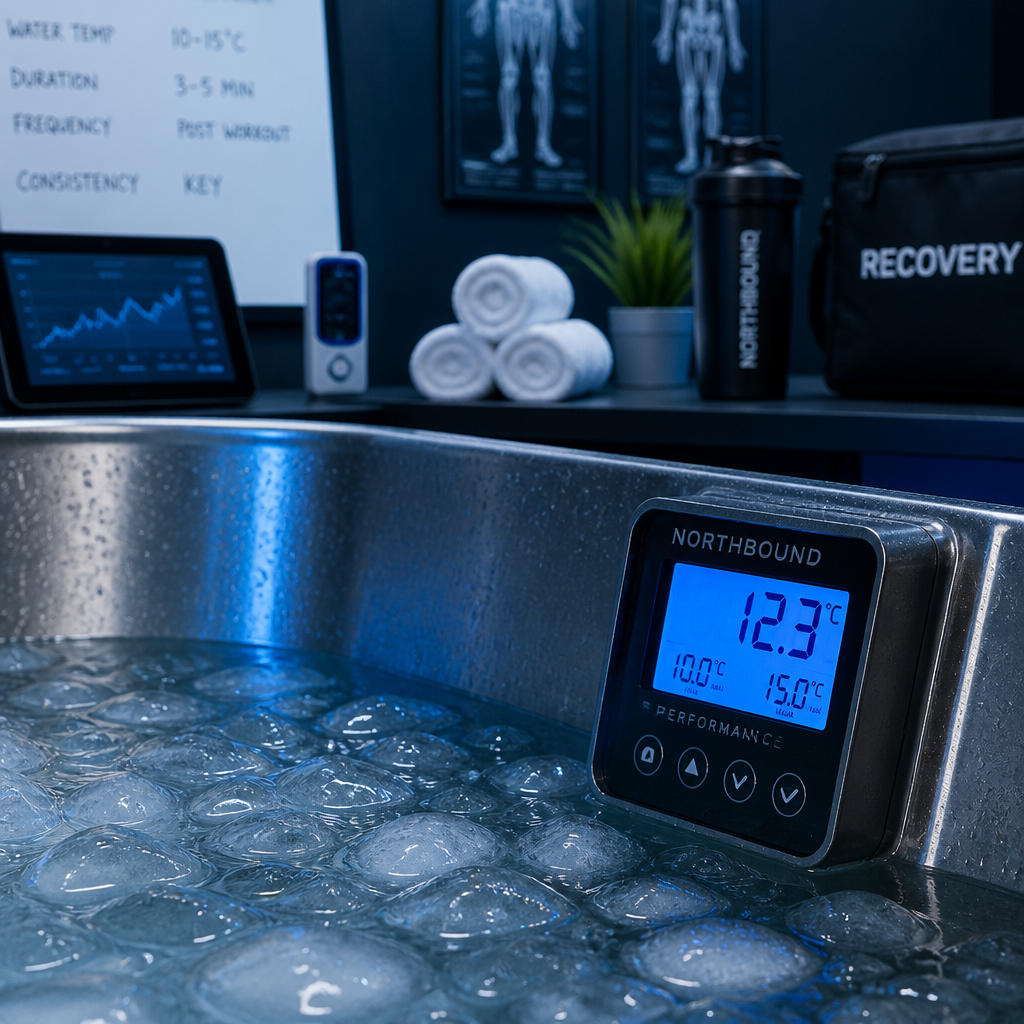
In practice, the most effective protocol for controlling inflammation involves immersion between 10 and 15°C for 10 to 15 minutes, preferably within the two hours following intense training. Waiting longer reduces the effectiveness of the anti-inflammatory response.
Tip: If you are starting out, begin with 15°C for 5 minutes. Gradually reduce the temperature as your body adapts, rather than jumping straight into 10°C and cutting the session short.

2. Accelerated Lactic Acid Elimination
Lactate accumulates rapidly during high-intensity efforts and is responsible for the sensation of heaviness and muscle fatigue that appears even during exercise. Although the body naturally eliminates lactate at rest, this process can be accelerated with proper active and passive recovery strategies. The ice bath is one of them.
The initial vasoconstriction caused by cold is followed, after exiting the water, by reactive vasodilation that increases blood flow to the muscles. This vascular "pumping" effect helps eliminate accumulated metabolic waste, including lactate. Athletes in endurance sports like cycling, triathlon, and long-distance running use this mechanism systematically, especially during consecutive competitive stages.
The difference between an athlete who finishes a stage and recovers for the next and one who wakes up with their legs still locked can, in part, be attributed to the quality of recovery in the window of time after the effort. The ice bath fits exactly into that window.
"Cold water immersion can accelerate the muscle recovery process and reduce the feeling of heaviness after prolonged efforts, becoming a useful tool in competitive calendars with little recovery time between events."
3. Nervous System Rebalancing and Mental Recovery
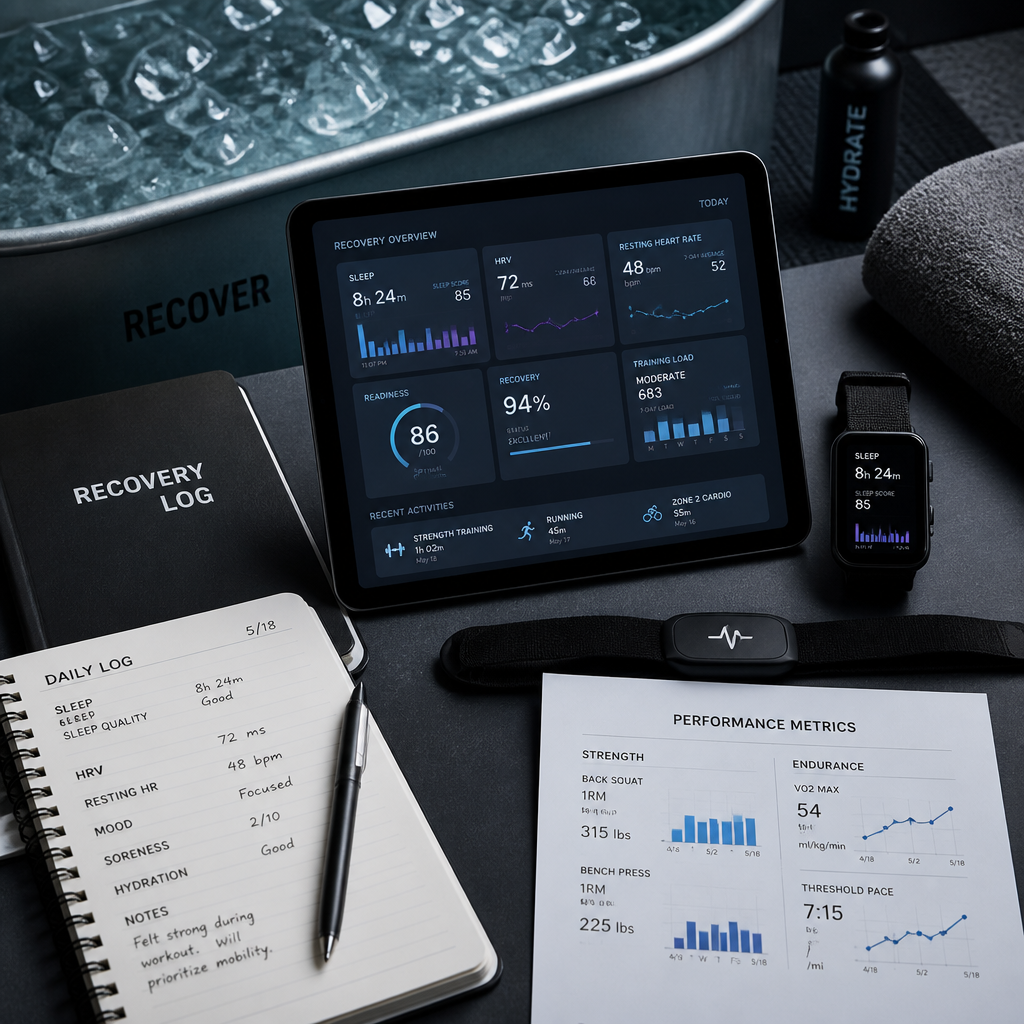
The impact of the ice bath goes beyond the muscles. Exposure to cold activates the sympathetic nervous system, stimulating the release of norepinephrine and dopamine. These neurohormonal responses have measurable effects: they increase focus, reduce mental fatigue, and improve mood after the session. For professional athletes who face not only physical wear and tear but also accumulated psychological stress from competitions and travel, this effect has real value.
Mental recovery is often the most neglected aspect of amateur recovery protocols. Training with an overloaded nervous system produces worse results and increases the risk of overtraining. The ice bath, when used judiciously, contributes to rebalancing this response, preparing the athlete not only physically but also mentally for the next effort.
The progressive hardening effect
With regular practice, the nervous system adapts to the cold stimulus. The initial shock response diminishes, tolerance for discomfort increases, and the athlete develops a greater capacity to remain calm under pressure. This adaptation carries over, according to many high-competition coaches, to emotional control in intense competitive situations.
Tip: Get into the tub with controlled breathing and keep your focus on the rhythm of your breath. This nervous system regulation training in the context of discomfort is an integral part of the benefit.
4. Improved Sleep Quality
Sleep is, without exception, the most powerful recovery tool an athlete has. No active recovery protocol replaces a quality night's sleep. What the ice bath can do is prepare the nervous system for a more effective transition to a state of rest, especially when used in the hours leading up to bedtime, with appropriate temperature and timing.
Several practitioners and observational studies report an improvement in sleep quality after regular cold water immersion sessions. The most likely mechanism is the regulatory effect that cold has on the nervous system: after exiting the water, the body enters a state of rebalancing that favors the activation of the parasympathetic system, which facilitates falling asleep and deepens the most restorative sleep phases.
Timing matters: morning or late afternoon
Most experienced practitioners avoid ice baths immediately before sleep. The peak in alertness produced by the release of norepinephrine can make falling asleep difficult if the session occurs too late. The most favorable timing to enjoy the positive effect on sleep is between the end of training and two to three hours before bed.
For athletes with morning training, the morning ice bath works well: it activates the nervous system for the day, accelerates recovery, and does not interfere with nighttime sleep.
5. Greater Availability to Train Frequently
The end goal of any recovery protocol is simple: to be available to train again, with higher quality and lower risk of injury. On this point, the ice bath has a direct argument. Athletes who incorporate cold water immersion regularly consistently report lower perceived residual soreness and a faster ability to return to training with intensity.
This is not a matter of comfort. It is a matter of cumulative training volume. An athlete who trains with quality six days a week instead of five, over an entire season, accumulates an adaptation advantage that no supplement can compensate for. Effective athlete recovery is not a luxury; it is part of the training process.
Competitive periods: where the ice bath makes the biggest difference
In weeks with competitions on consecutive days, the value of the ice bath is particularly evident. A runner competing in a cross-country race on Saturday and a road race on Sunday, a basketball player with two games in two days, or a cyclist completing a stage race: all benefit from faster and more complete recovery between efforts.
Outside of competitive periods, especially in training blocks oriented toward hypertrophy or maximum strength gains, daily ice bath use should be considered carefully. The acute post-workout inflammatory response is part of the muscle adaptation mechanism, and suppressing it systematically may limit long-term muscle gains. Use it with discretion, not as a blind routine.
Comparison of Recovery Methods
There are several approaches to post-workout recovery. Each has specific advantages depending on the goal, timing, and athlete profile. The table below compares three of the methods most used in a professional context.
| Recovery Method | Main Benefits | Best Use |
|---|---|---|
| Cold Water Immersion (Ice Bath) | Reduced inflammation and DOMS, lactate elimination, nervous system rebalancing, improved sleep | After endurance or high-intensity training; competitive periods with little recovery time |
| Contrast Therapy (Sauna + Cold Plunge) | Boosts circulation through alternating vasoconstriction and vasodilation; more intense vascular pumping effect; cumulative heat and cold benefits | Recovery after competition; wellness sessions in professional facilities or home wellness |
| Passive Recovery (rest and hydration) | Does not interfere with anabolic adaptations; no risk of thermal shock; accessible to any athlete | Training blocks oriented toward maximum strength or hypertrophy; beginner athletes without an established protocol |
Professional cold immersion and contrast therapy are now standard in high-performance facilities. Solutions like cold immersion tubs and integrated chiller systems from Alaska Recover allow these protocols to be replicated at home as well as in gyms, clinics, and wellness spaces, with precise temperature control and durability for intensive use.
Frequently Asked Questions
What is the ideal temperature of an ice bath for athletes?
The range with the most consensus in scientific literature is between 10 and 15°C. For beginners, starting close to 15°C is sensible. Athletes with immersion experience can go down to 10°C. Below that value, risks increase without proportional additional benefits.
How many minutes should an ice bath last?
Between 10 and 15 minutes is the most effective window for muscle recovery. Shorter sessions, from 5 to 8 minutes, already produce measurable benefits, especially for those who are adapting. There is no need to exceed 15 minutes, and doing so without experience increases the risk of hypothermia.
Is a daily ice bath recommended for athletes?
It depends on the training period. In competition weeks or high-intensity and endurance training blocks, daily use makes sense. In strength and hypertrophy-oriented training phases, systematic use may limit muscle adaptations. The smartest approach is to use it selectively, not as an automatic daily ritual.
Does the ice bath replace other forms of recovery?
No. The ice bath is a tool within a broader recovery protocol that includes sleep, nutrition, hydration, and mobility. It is effective when combined with these foundations, not when it replaces them. An athlete who sleeps poorly and does not eat well does not compensate for those deficits with cold water immersion.
What is the difference between an ice bath and contrast therapy?
The ice bath involves immersion exclusively in cold water. Contrast therapy alternates between heat (sauna or hot bath) and cold (cold plunge), creating a repeated vasoconstriction and vasodilation effect that further boosts circulation and metabolite elimination. Contrast therapy is particularly popular in professional facilities and is increasingly sought after for premium home use.
Is the ice bath safe for everyone?
People with cardiovascular conditions, uncontrolled hypertension, or extreme sensitivity to cold should consult a health professional before starting any immersion protocol. For most healthy people, the protocol with temperatures between 10 and 15°C and controlled duration is safe when approached progressively.
What equipment should I use to have an effective ice bath at home?
An immersion tub with an integrated chiller system is the most practical solution for recurring home use, as it maintains a constant temperature without the need for ice. Portable solutions are an affordable entry point, but for those who use it regularly, a system with precise temperature control offers far superior consistency and hygiene. Alaska Recover has specific solutions for home and professional use designed with this criterion.
Do you already have a set ice bath protocol or are you still exploring your first sessions? Share your experience in the comments.
References
- Scientific guide on cold water baths and cold plunge for athletes
- Ice baths as a recovery strategy for professional athletes
- Scientific evidence on cold plunge and recovery after exercise
- Clinical research on immersion cryotherapy and sports performance
- Cold therapy and the growth of ice baths in high-performance sports