


Most people who try an ice bath for the first time make at least one mistake that negates many of the benefits. It is not a lack of dedication; it is a lack of correct information. The most common ice bath mistakes are not obvious, which is why so many athletes, runners, and fitness enthusiasts end up frustrated with their results, or worse, give up before giving the practice a real chance. This article identifies the five most harmful mistakes, explains why they happen, and gives you the tools to correct them immediately.
Table of Contents
- Key Points
- Mistake 1: Using the Wrong Temperature
- Mistake 2: Inadequate Immersion Time
- Mistake 3: Using the Ice Bath When You Shouldn't
- Mistake 4: Ignoring Breathing
- Mistake 5: Lack of Protocol Consistency
- Comparison of Approaches: Beginner vs. Intermediate vs. Advanced
- Frequently Asked Questions
- References
Key Points
| Main Idea | Explanation |
|---|---|
| The ideal temperature is between 10 and 15 °C | Below 10 °C increases risk without proportional benefit; above 15 °C reduces the effective physiological stimulus. |
| More time is not better | Sessions over 15 minutes increase the risk of hypothermia and cold burns without adding relevant benefits. |
| Ice baths after strength training can hinder hypertrophy | The acute inflammatory response is necessary for muscle adaptation. Systematically using ice after strength training inhibits this process. |
| Breathing controls the entire experience | Entering cold water without breath control causes hyperventilation and increases the perception of panic, sabotaging the session. |
| Consistency beats intensity | A regular protocol at 12 °C is worth more than an occasional session at 6 °C. Repeated stimulation is what generates adaptation. |
| Ice does not replace sleep, nutrition, and hydration | Cryotherapy is a complementary tool. Using it as a substitute for the foundation of recovery is a structural error. |
| Beginners should progress gradually | Starting with 8 °C water on the first session creates a negative experience and discourages continuing the habit. |
Mistake 1: Using the Wrong Temperature
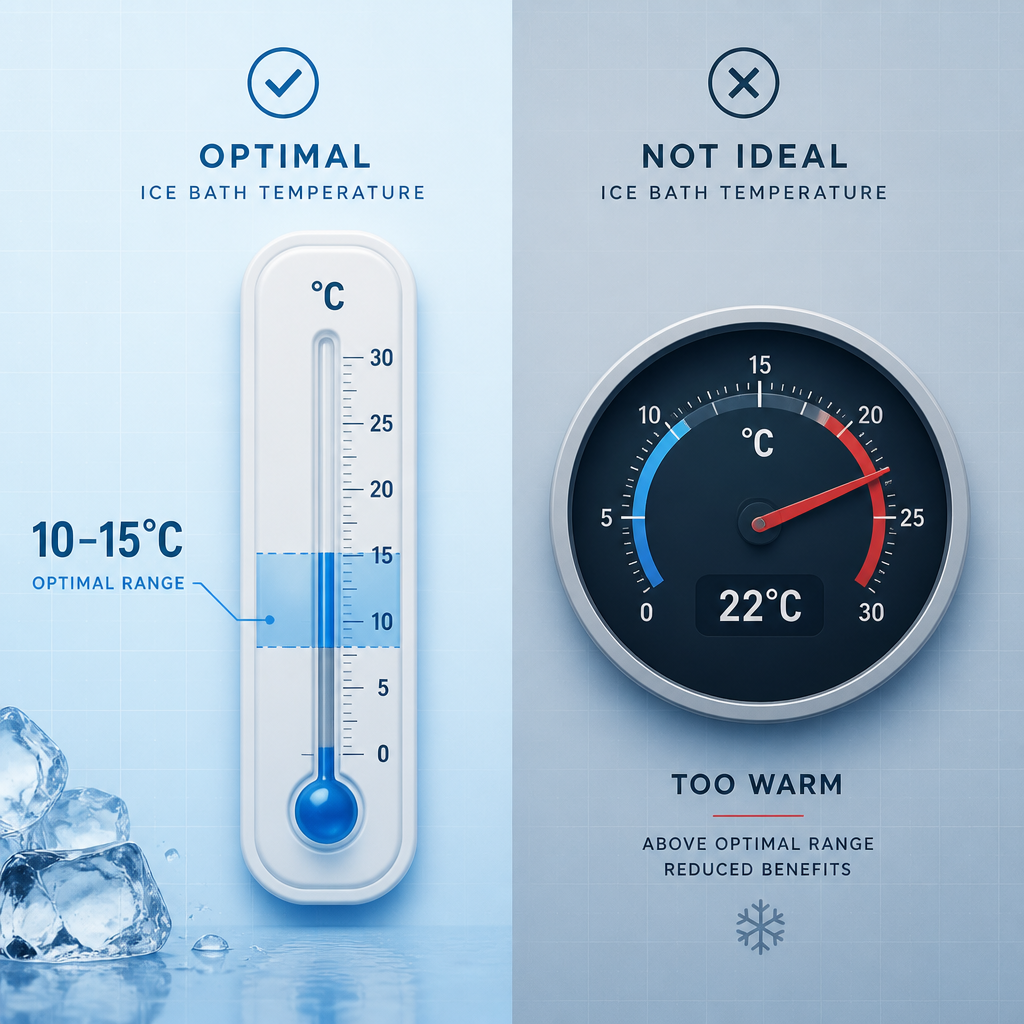
This is the most universal mistake, and it happens in both directions. Some people use water that is too warm, which produces no significant physiological response. Others go to the opposite extreme, thinking that the colder it is, the greater the benefit, which is simply false.
The effective temperature range for immersion cryotherapy is between 10 and 15 °C. Below 10 °C, the risk of mental confusion, loss of coordination, and cold burns increases significantly. Above 15 °C, the physiological stimulus is insufficient to produce the recovery effects that make the practice relevant.
In practice, without precise temperature control, it is almost impossible to know where you stand. Using supermarket bags of ice in a regular bathtub can cause the temperature to vary between 5 °C and 18 °C in the same session, making the protocol completely unpredictable. An integrated chiller, like those available in the Alaska Recover chiller range, solves this problem by keeping the temperature stable throughout the entire session.
Tip: If you don't have precise temperature control, use an immersion thermometer before getting in. Never rely on your perception of cold as an indicator of actual temperature.
The problem with extreme temperatures
Temperatures below 10 °C for more than five minutes can cause mental confusion and loss of coordination, risks that are not aligned with any recovery goal. Extreme cold is not a test of character; it is simply a protocol error that increases risk without increasing benefit.
For beginners, starting in the 14 to 15 °C range and gradually lowering it over weeks is the most sensible approach. The goal is to create a sustainable habit, not a survival experience.
Mistake 2: Inadequate Immersion Time
The second most common mistake is not knowing how long to stay in. Two opposite patterns appear repeatedly: those who get out after two minutes because the discomfort is intense, and those who stay for twenty-five minutes, thinking that more time means more benefit.
The recommended time for an effective session is between 10 and 15 minutes, with water between 10 and 15 °C. Beginners should start with shorter periods, perhaps five to seven minutes, and increase gradually as tolerance develops. Exceeding 15 minutes increases the risk of hypothermia and skin injury without adding any relevant additional benefits.
There is an important detail about post-workout timing that many people ignore: ideally, the immersion should happen as close to the end of the exertion as possible. Waiting more than twenty minutes reduces the effectiveness of the vascular and anti-inflammatory response that cold promotes.
The most effective recovery is not the one that lasts the longest, but the one that happens at the right time, with the right stimulus, and with consistency over time.
How to structure time progressively
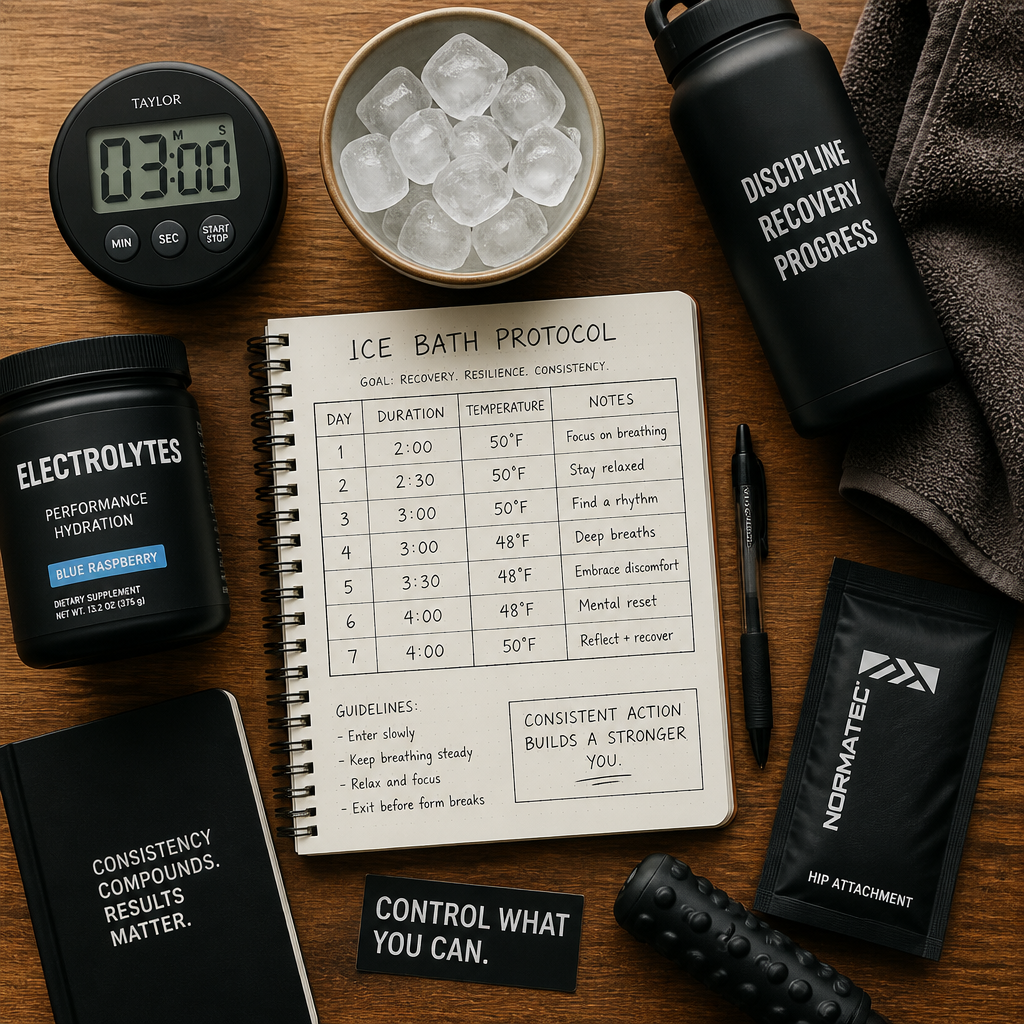
A realistic progression for a beginner could be this: in the first two weeks, five to seven-minute sessions at 14 to 15 °C. In the first month, advance to ten minutes at 12 to 13 °C. Only after this habit is consolidated does it make sense to explore ten to fifteen minutes at 10 to 11 °C.
This progression is not excessive conservatism. It is the difference between building a lasting practice and creating a negative memory that leads to abandonment.
Tip: Use a visible timer during the session. The discomfort of cold distorts the perception of time, and it is easy to get out too soon or, curiously, stay longer than planned when you are focused on breathing.
Mistake 3: Using the Ice Bath When You Shouldn't
This mistake is the most subtle and probably the most harmful for those training for body composition and strength goals. The idea that an ice bath is always positive after any workout is a myth that persists despite clear data contradicting it.
If your goal is hypertrophy or strength gain, using an ice bath systematically after every strength training session is counterproductive. The acute inflammatory response that occurs after strength training is necessary for muscle adaptation. Inhibiting this response with cold immediately after training can compromise the gains you are seeking.
Another frequent mistake is using the ice bath before training. Immersion in cold water before a strength session can compromise neuromuscular recruitment and reduce the effectiveness of the workout that follows.
When does an ice bath make sense and when does it not?
The ice bath is a tool of choice for recovery after endurance training, long runs, high-intensity cardiorespiratory training, weeks of high training volume, and competitions with multiple events in sequence. In these contexts, the goal is not to adapt the muscle to stress, but to recover faster for the next session.
In training phases focused on hypertrophy, the frequency of cryotherapy should be reduced or reserved for active rest days, or at least four to six hours after training, when the critical window of protein synthesis has passed. The Alaska Recover team often addresses this nuance because it is one of the points where misinformation hurts users the most.
For runners, cyclists, and triathletes, where the goal is rapid recovery and not hypertrophy, an ice bath after exertion is a clear ally that does not conflict with training goals.
Mistake 4: Ignoring Breathing
Getting into a tub of cold water without any breathing protocol is the reason why so many first experiences go poorly. The body responds to thermal shock with a gasping response, a series of involuntary and uncontrollable inhalations that raise the heart rate, increase the perception of panic, and turn the session into an exercise of raw resistance rather than a therapeutic practice.
Breath control is not a comfort detail. It is the central mechanism that allows the nervous system to transition from an alarm response to a state of regulation. When you stabilize your breathing, oxygen and nutrients circulate more efficiently, and the body begins to manage the thermal stimulus instead of fighting it.
A simple breathing protocol for beginners
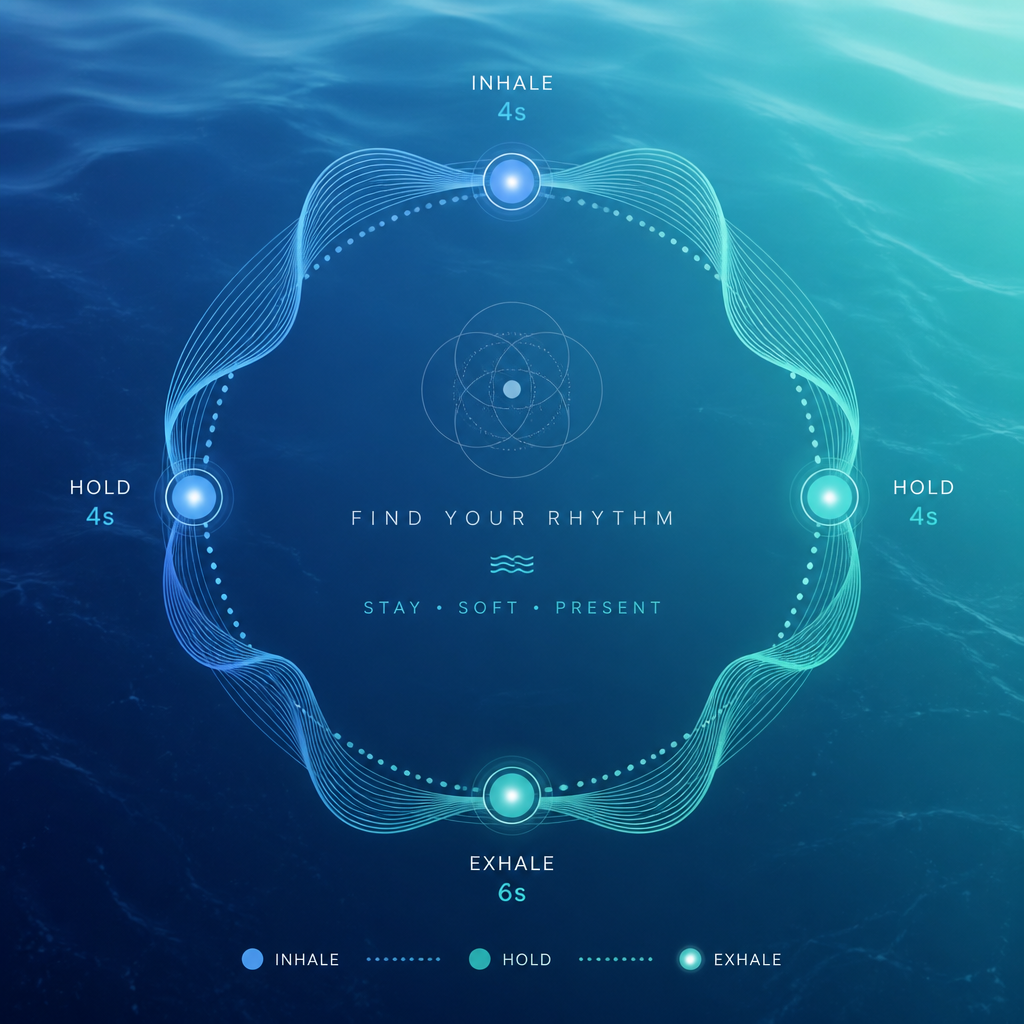
Before getting in, take three to five slow, deep breaths. Upon entering, maintain a long exhalation, double the duration of the inhalation. If you feel the urge to hyperventilate, slow down the exhalation even more. Do not try to suppress the initial discomfort; accept it and maintain the breathing rhythm.
With two to three weeks of regular practice, this process becomes automatic. The ice bath ceases to be a survival experience and becomes a tool for mental and physical control.
Mistake 5: Lack of Protocol Consistency
The fifth mistake is the simplest to name and the hardest to correct: lack of regularity. An occasional ice bath session does not produce measurable adaptations. The real benefit, both in terms of muscle recovery and nervous system regulation, is built through repeated and regular exposure over weeks and months.
Inconsistency has many causes. The most common is the lack of proper equipment at home, which requires travel or the logistics of regularly buying and preparing ice. Another frequent cause is the absence of a defined protocol; without knowing the right temperature, time, or timing, any session feels arbitrary and easy to postpone.
A home ice bath with an integrated chiller solves the logistics problem. The temperature is always ready, the session is always reproducible, and the habit has a physical anchor in your space. For those who take recovery seriously, the question is not whether they should invest in proper equipment, but only when.
How many times per week is enough?
For most practitioners with recovery and general wellness goals, two to four sessions per week is an effective and sustainable frequency. In weeks of very intense training or after competitions, it may make sense to increase. In phases of intense strength and hypertrophy, reduce to one or two weekly sessions, outside the critical protein synthesis period.
Cryotherapy does not replace sleep, nutrition, and hydration. It is a complement. Using it as a substitute for these foundations is a structural error that no frequency of sessions will correct.
Comparison of Approaches: Beginner vs. Intermediate vs. Advanced
| Parameter | Beginner | Intermediate | Advanced |
|---|---|---|---|
| Water temperature | 14 to 15 °C | 11 to 13 °C | 10 to 11 °C |
| Duration per session | 5 to 7 minutes | 8 to 12 minutes | 10 to 15 minutes |
| Weekly frequency | 2 to 3 times | 3 to 4 times | 4 to 5 times (adjusted to training) |
| Temperature control | Manual thermometer | Basic chiller | App-controlled chiller |
| Breathing protocol | Slow breathing before entering | Active inhalation/exhalation rhythm | Total control, diaphragmatic breathing |
| Post-strength training use | Avoid for the first few weeks | Only 4h+ after training | Selective, based on cycle goal |
Frequently Asked Questions
What is the ideal temperature for an effective ice bath?
The most effective and safe range is between 10 and 15 °C. This temperature is cold enough to trigger a relevant physiological response, such as vasoconstriction and reduced inflammation, without exposing the user to unnecessary risks of hypothermia or cold burns. For beginners, starting at 14 to 15 °C and gradually lowering is the most sensible approach.
How long should I stay in the ice bath?
10 to 15 minutes is the recommended range for an effective session. Beginners should start with five to seven minutes and increase progressively. Exceeding 15 minutes brings no additional benefits and increases the risk of localized hypothermia and skin injury.
Can I take an ice bath every day?
Technically it is possible, but it is not necessarily the best approach for all goals. In phases of intense endurance training, daily sessions may make sense. In phases of strength and hypertrophy, reducing the frequency to two or three times per week, outside the immediate window of protein synthesis, is the option most aligned with body composition goals.
Does the ice bath hinder muscle gain?
It can hinder it if used systematically immediately after strength and hypertrophy training. Acute post-workout inflammation is part of the muscle adaptation mechanism. Repeatedly inhibiting this response with cold can compromise gains. The solution is not to abandon the ice bath, but to use it at the right time: on rest days or at least four to six hours after strength training.
How to take an ice bath for the first time without panicking?
Breath control is the most important element. Before entering, take three to five slow, deep breaths. Upon entering the water, keep your exhalation long. The first thermal shock is real, but with the right breathing rhythm, it passes in thirty to sixty seconds. Starting with a higher temperature, between 14 and 15 °C, and short, five-minute sessions makes the first experience much more manageable and increases the likelihood of creating a habit.
Does the ice bath replace other forms of recovery?
No. The ice bath is a complementary tool, not a foundation. Quality sleep, adequate nutrition, hydration, and training load management are the foundation of any effective recovery. Ice adds to these, but does not replace them. Using it as a shortcut to compensate for deficits in any of these areas is an error of perspective that produces lower-than-expected results.
What are the contraindications for ice baths?
People with cardiovascular disease, uncontrolled hypertension, Raynaud's syndrome, chronic obstructive pulmonary disease, or those taking muscle relaxants, sedatives, or antidepressants should consult a doctor before starting any immersion cryotherapy protocol. The practice is not suitable for everyone and, under certain clinical conditions, can pose a real risk.
If you have already tried an ice bath and identify any of these mistakes in your practice, tell us in the comments which one surprised you the most and how you corrected it.
We would love your feedback. What perspective would you add?
References
- Cryotherapy and sports recovery: when to use and when to avoid ice after training
- Cryotherapy and ice baths for athlete recovery: protocols and temperature
- Ice baths: the facts about temperature, duration, and breathing during immersion
- Ice immersion: benefits, maximum time, temperature, and contraindications
- Do ice baths work or are they a fad? Common mistakes and the correct use of cryotherapy