


If you still have doubts about whether an ice bath is really worth it, this article will change the way you view recovery. The benefits of ice baths are no longer just locker room folklore: today, there are published studies that accurately explain what happens to your body during and after immersion in cold water. From elite athletes to home users looking to recover faster from workouts, cold therapy has become one of the most discussed and utilized recovery tools of the last decade. Here, you are reading about real science, concrete protocols, and practical applications that you can start using this week.
Table of Contents
- Quick Summary
- What Happens to Your Body When You Get Into an Ice Bath
- Benefit 1: Reduction of Delayed Onset Muscle Soreness
- Benefit 2: Control of Post-Workout Inflammation
- Benefit 3: Nervous System Recovery
- Benefit 4: Mental Health, Focus, and Resilience
- Benefit 5: Increased Dopamine and Norepinephrine
- Benefit 6: Activation of Metabolism and Brown Fat
- Benefit 7: Improved Sleep Quality
- Benefit 8: Immune System Boost
- Benefit 9: Vasoconstriction and Improved Circulation
- Benefit 10: Building Mental Resilience
- Comparison of Cold Recovery Approaches
- Frequently Asked Questions
- References
Quick Summary
| Key Insight | What It Means in Practice |
|---|---|
| Cold water immersion reduces delayed onset muscle soreness (DOMS) | Getting into water between 10 and 15°C for 10 to 15 minutes can relieve pain that appears 24 to 48 hours after intense workouts |
| Cold activates the release of norepinephrine | This neurotransmitter improves focus, mood, and stress resistance, with effects that last for hours after the session |
| Cold therapy is not ideal immediately after strength training aimed at hypertrophy | Post-strength training inflammation is a necessary signal for muscle growth. Use ice baths strategically, not as a default |
| Brown fat is activated by cold exposure | Regular cold water immersion sessions stimulate thermogenesis and increase energy expenditure even after leaving the water |
| Dopamine levels rise substantially | Studies point to a significant increase in dopamine after cold water immersion, with a direct impact on motivation and well-being |
| Temperature and time matter more than the discomfort felt | An effective protocol is between 10 and 15°C for 10 to 15 minutes. More time or colder water does not mean more benefit |
| Cold plunge benefits go beyond muscles | Sleep, immunity, mental health, and resilience are areas equally documented by current scientific research |
What Happens to Your Body When You Get Into an Ice Bath
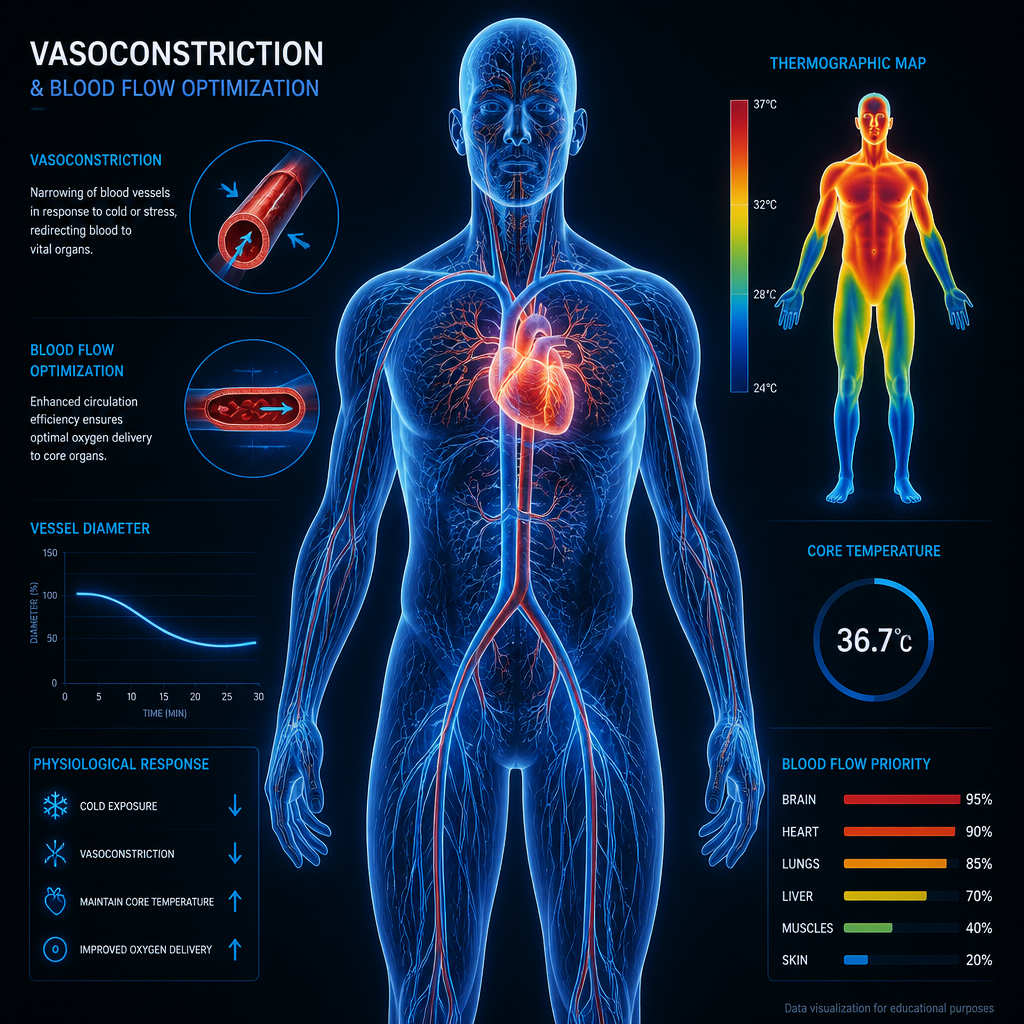
In the first seconds of cold water immersion, your nervous system triggers a thermal shock response. Your heart rate increases, peripheral blood vessels constrict, and the body immediately activates the sympathetic nervous system. This is not a nuisance to be ignored; it is precisely the trigger that unleashes most of the benefits documented by science.
The vasoconstriction that occurs during immersion reduces blood flow to the muscles affected by the workout, which limits edema and slows the acute inflammatory response. When you leave the water, the opposite effect, vasodilation, occurs, acting as a natural pump that helps remove metabolites accumulated during exercise. This cycle of vascular contraction and expansion is one of the central mechanisms of rapid muscle recovery through cold water immersion.
Understanding this basic mechanism is what separates those who use ice baths intelligently from those who do it because others are. Cold therapy has rules, and those who respect them get results. Those who ignore them may even compromise important adaptations.
Benefit 1: Reduction of Delayed Onset Muscle Soreness
Delayed Onset Muscle Soreness (DOMS) is the result of micro-tears in muscle fibers caused by eccentric or high-intensity exercise. It typically manifests between 24 and 48 hours after training and is one of the main causes of performance drops on consecutive training days.
Various studies show that cold water immersion can significantly reduce this delayed muscle soreness, especially after intense or strength-based exercises. The theory is that, similarly to ibuprofen, cold water reduces pain by partially blocking the inflammatory process triggered by exercise. Some studies suggest that cold water can reduce pain for up to four days after exercise.
Tip: If you are competing on consecutive days or have two training sessions in a compressed week, an ice bath is a direct ally. For isolated hypertrophy sessions, consider delaying immersion by at least 4 hours after strength training.
How long does it take to feel the difference?
A study referenced on the Nike portal points out that it takes at least six to seven baths to feel the difference consistently. This means that a single session may provide immediate relief, but the cumulative benefits appear with regular practice. This is a point many people ignore, giving up after only two sessions.
Benefit 2: Control of Post-Workout Inflammation
Inflammation is a natural and necessary response to exercise. The problem arises when this inflammation becomes excessive or chronic, compromising recovery capacity and performance in subsequent sessions. Cold water immersion acts as a control mechanism, not a total elimination of the inflammatory response.
Cold causes vasoconstriction and reduces blood flow in the most stressed muscle areas. By partially deactivating inflammation in joints and muscles, it protects the athlete from accumulated physical wear and tear. This effect is especially relevant for endurance athletes, such as runners, cyclists, and triathletes, who accumulate high training volumes week after week.
Rapid muscle recovery doesn't mean eliminating inflammation; it means controlling it intelligently so that your body is ready for the next effort without compromising long-term adaptations.
A common mistake is using ice baths indiscriminately after any workout. For aerobic endurance exercises, cold water immersion is generally beneficial. For strength training with hypertrophy goals, ice may inhibit some of the anabolic signaling necessary for muscle growth. The rule of thumb: use cold when you need to recover quickly to compete or train again, not as an automatic routine after every gym session.
Benefit 3: Nervous System Recovery
The central nervous system is often the first to signal accumulated fatigue, even before muscles show visible signs of wear. High-intensity training, competitions, or periods of prolonged overexertion leave the nervous system in a state of chronic excitation that hinders recovery and sleep.
Cold water immersion activates the parasympathetic nervous system, associated with rest and recovery, which has been described by athletes as a sensation of deep relaxation after the initial thermal shock reactions. This balance between the sympathetic and parasympathetic systems is one of the reasons why many practitioners report sleeping better on nights when they undergo cold water immersion.
Tip: For those who train in the afternoon or evening, cold water immersion one to two hours before bed can help speed up the nervous system's transition to a recovery state. Avoid doing it immediately before sleeping, as the initial stimulating effect may delay falling asleep.
Benefit 4: Mental Health, Focus, and Resilience
Research on the mental benefits of cold water immersion has grown considerably. A 2021 study concluded that even a single cold water immersion session can improve mood. A 2023 study reported immediate reductions in nervousness and increased alertness after the session.
For athletes, the mental component is often the differentiating factor in competition. Regular practice of cold water immersion exposes the nervous system to controlled stress which, over time, builds tolerance to discomfort—the same tolerance that makes the difference in the final kilometers of a race or in moments of high pressure during a competition.

Cold water immersion has also been associated with improvements in self-esteem and, in some cases, symptomatic relief in individuals with mild depression. It does not replace medical treatment, but it is a complementary tool with a clear neurobiological mechanism.
Benefit 5: Increased Dopamine and Norepinephrine
This is the benefit with the best-documented mechanism. Exposure to cold activates the sympathetic nervous system and causes a significant release of norepinephrine, a neurotransmitter directly linked to focus, attention, and mood. Low levels of norepinephrine are associated with lack of energy, difficulty concentrating, depression, and reduced attention span.
Dopamine, another central neurotransmitter in motivation and goal-oriented behavior, also shows increases after cold water immersion. Neuroscience research suggests that these increases are not negatively transient: the state of alertness and well-being that follows a session can last for several hours.
For athletes and users who struggle with drops in motivation, periods of overtraining, or simply the monotony of demanding training routines, the neurological benefits of cold plunging are a concrete and physiological reason to maintain regular practice, not just a matter of willpower.
Benefit 6: Activation of Metabolism and Brown Fat
Brown fat, unlike white fat, is metabolically active: instead of storing energy, it burns it to generate heat. Cold exposure is one of the most effective stimuli for activating brown fat, and regular cold water immersion sessions consistently stimulate this tissue.
The norepinephrine released during immersion binds to receptors in brown fat and activates mitochondrial processes that increase fatty acid oxidation. The result is an increase in metabolic rate that can persist after leaving the water. For athletes in weight management phases or for those looking to improve body composition without sacrificing performance, this is a complementary pathway of real interest.
Norepinephrine also activates PGC-1 alpha, a protein relevant to energy metabolism, circadian rhythms, and body weight regulation. This is not an immediate and dramatic effect, but a cumulative one that is consolidated with regular practice over weeks and months.
Benefit 7: Improved Sleep Quality
The connection between cold water immersion and sleep is supported by two distinct mechanisms. First, the reduction of inflammation and muscle pain that often disturbs the sleep of athletes during periods of intense training. Second, the regulation of cortisol levels and the production of melatonin associated with cold exposure.
Research indicates that taking an ice bath one to two hours before bed seems to be the most favorable timing for sleep. This interval allows the body to complete the rewarming phase, which creates the ideal physiological conditions for falling asleep. For athletes dealing with muscle pain that disrupts sleep, an ice bath solves both the recovery and sleep problems simultaneously.
Benefit 8: Immune System Boost
Regular cold exposure has been associated with improved immune function, partly through the activation of the sympathetic nervous system, which influences the immune response. The norepinephrine released during cold water immersion plays a direct role in this immune modulation.
For athletes, the immune system is a real concern: periods of intense training without adequate recovery are associated with a window of transient immunosuppression, which increases vulnerability to respiratory infections. Integrating cold therapy into a recovery routine can help close this window of vulnerability, without replacing habits of sleep, nutrition, and stress management.
Scientific evidence in this area is still considered emerging, so it is important not to exaggerate expectations. What current research supports is a positive influence on immune function as part of a structured recovery lifestyle, not as an isolated solution.
Benefit 9: Vasoconstriction and Improved Circulation
The cycle of vasoconstriction during cold water immersion and vasodilation after leaving the water acts as a passive workout for the cardiovascular system. Blood vessels constrict in response to cold and dilate when the body returns to normal temperature, a process that some health professionals describe as a "pumping effect."
This effect helps remove metabolites and toxins accumulated during exercise, reduces muscle inflammation, and accelerates the tissue repair process. For endurance athletes who accumulate high training loads, this improvement in circulatory efficiency translates into less heavy legs, less swelling, and a subjective feeling of being fresher for the next training session.
Benefit 10: Building Mental Resilience
Voluntarily getting into a bathtub of 10 to 15-degree water is, first and foremost, an exercise in mental discipline. The discomfort is real, the urge to get out is immediate, and the ability to remain calm and control breathing in that environment is a skill that is trained like any other.
Regular practice of cold water immersion exposes the nervous system to controlled, repeated stress. Over time, the activation threshold for the stress response rises, meaning that stressful daily situations or critical moments in a competition are managed with more balance. The mental resilience developed in an ice bath transfers directly to the track, the mat, or the peloton.
This is probably the most underrated benefit of cold therapy, and at the same time, the most transversal. It does not depend on genetics, sophisticated equipment, or complex protocols. It depends on consistency.
Comparison of Cold Recovery Approaches
There is no single way to apply cold therapy, and each approach has specific indications, advantages, and limitations. The table below compares the three options most used by athletes and home users looking to integrate cold water immersion into their routines.
| Approach | Advantages | Limitations |
|---|---|---|
| Portable Immersion Tub with Chiller (e.g., Alaska Recover systems) | Precisely controlled temperature, home or professional use, daily access without relying on ice, durability, and premium design | Higher initial investment compared to simple solutions, requires an electrical connection and adequate space |
| Homemade Ice Bath | Low initial cost, accessible to start, no need for electrical equipment | Inconsistent temperature and difficult to control, laborious logistics, ice melts quickly, not sustainable in the long term |
| Cold Shower | Available in any home, no additional cost, easy to integrate into a daily routine | Does not allow for full-body immersion, temperature limited by the water mains, less stimulation of the nervous system and muscle recovery mechanisms |
For those who take recovery seriously, a bath with an integrated chiller represents the most significant step up in quality: always the right temperature, immediate access, and the possibility of combining it with a sauna for cold-heat contrast therapy, one of the most effective combinations supported by current research. Alaska Recover solutions were designed precisely for this level of demand, both for home use and for professional spaces such as gyms, clinics, and hotels.
Frequently Asked Questions
What is the ideal temperature for an ice bath?
The protocol most recommended by current research places the temperature between 10 and 15°C. Within this range, the body receives sufficient physiological stimulation without exposing itself to unnecessary risks. Temperatures below 10°C show no clear additional benefits and increase the risk of hypothermia during prolonged immersion.
How long should I stay in cold water?
The protocols most used in training centers and in available studies set the duration between 10 and 15 minutes. Below 10 minutes, the stimulus may be insufficient to maximize benefits; above 15 minutes, there is no clear gain and there may be an immediate drop in performance due to peripheral hypothermia. An analysis cited by Nike specifically points to 11 to 15 minutes at a temperature between 11 and 15°C.
Can I take an ice bath every day?
It is possible, but not necessarily better. For recovery from intense training, sessions three to four times a week are sufficient for most athletes. Daily use may be appropriate during periods of competition or high-volume training, but it should be weighed against goals: if the goal is muscle hypertrophy, systematic use after every strength training session may inhibit part of the adaptations.
Does an ice bath hinder muscle mass gain?
This is the most debated question. A study published in the Journal of Applied Physiology concluded that cold water immersion after resistance training can inhibit muscle growth. Post-strength training inflammation is a necessary signal for the hypertrophy process, and cold can attenuate that signal. The practical recommendation is clear: avoid the ice bath immediately after strength training oriented towards muscle mass, or wait at least four to six hours before plunging in.
Is cold therapy safe for everyone?
For most healthy people, cold water immersion is safe when done judiciously. However, people with heart disease, severe hypertension or hypotension, a history of stroke, arrhythmias, Raynaud's disease, or pregnancy should consult a doctor before starting any cold therapy protocol. The basic safety principle is simple: never immerse yourself alone during your first sessions, start with more moderate temperatures, and gradually increase the time and the cold.
Does an ice bath have benefits for someone who is not a professional athlete?
Undoubtedly. The neurological benefits, such as the increase in dopamine and norepinephrine, better sleep, and the building of mental resilience, are relevant to anyone, regardless of their level of sports practice. Home users who train three to four times a week, professionals in high-stress environments, or simply people who want to improve their overall well-being benefit equally from regular cold water immersion practice.
How to combine an ice bath with a sauna?
Contrast therapy, alternating heat and cold, is one of the most effective combinations for recovery and well-being. The typical protocol consists of 10 to 20-minute sauna sessions followed by 3 to 5 minutes of cold water immersion, repeated in two to three cycles. Heat increases circulation and relaxes muscle tissue; cold causes vasoconstriction and reduces inflammation. The combination enhances the effects of both therapies synergistically, and this is precisely why Alaska Recover offers integrated sauna and ice bath solutions for home and professional use.
Do you already have experience with ice baths in your recovery routine? Tell us what worked best for you, or share your questions in the comments.
References
- Benefits of hot and cold water immersion baths for athletes, Nike Portugal analysis
- Ice baths and mental health: scientific research on mood and anxiety, Psychology Today
- Cold water immersion and anxiety: what science says about neurotransmitters and mental well-being
- Ice bath for athletes: what it is for and how to use it correctly, Balness Spa
- Benefits of ice baths beyond muscle recovery: norepinephrine, metabolism, and immunity